By Kyle Orton (@KyleWOrton) on 12 February 2026
By Kyle Orton (@KyleWOrton) on 8 December 2021
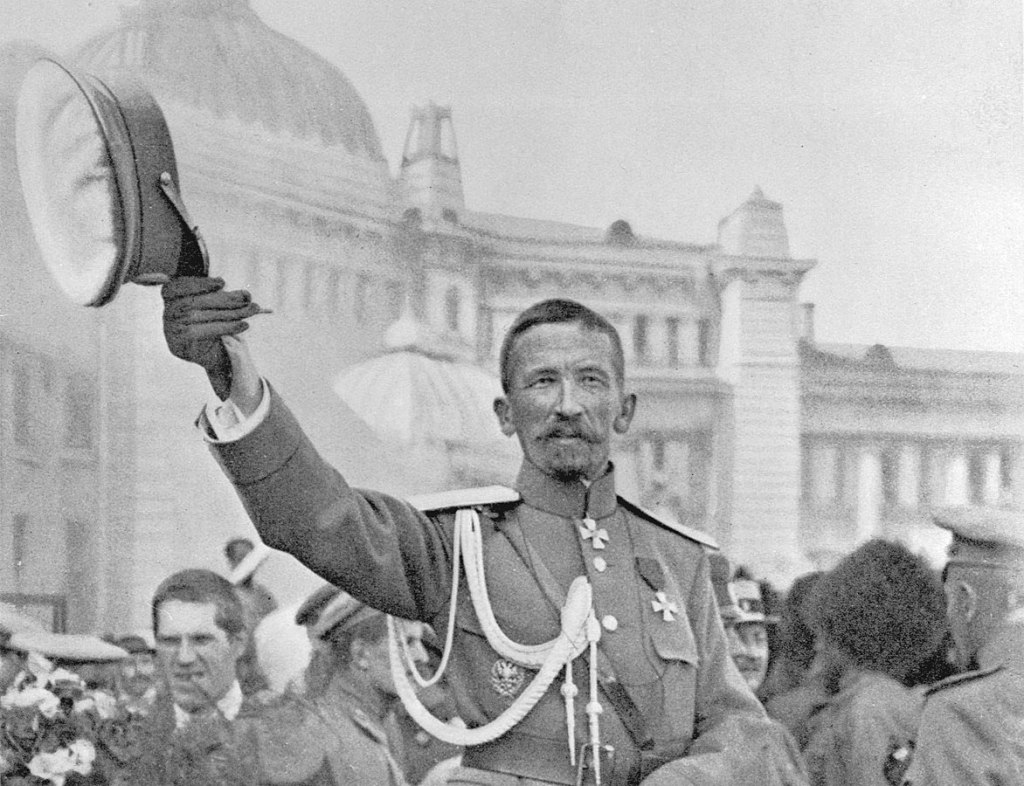
General Lavr Kornilov, 27 August 1917
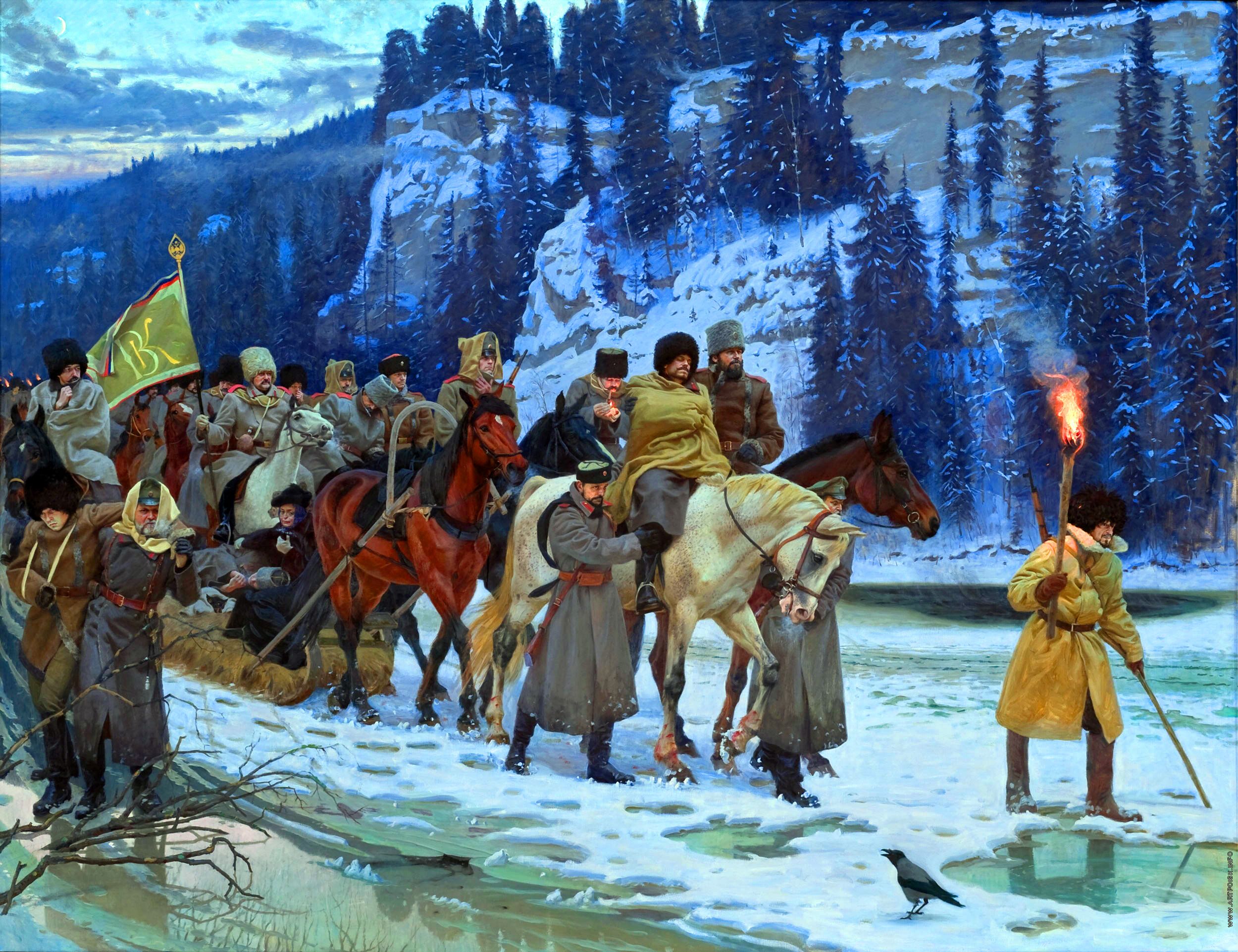
The final key event on the road to the Bolshevik takeover of Russia in November 1917 was the “Kornilov Affair” that took place about two months earlier. Alexander Kerensky had become Prime Minister of the Provisional Government in July 1917 and around the same time General Lavr Kornilov had become Commander-in-Chief. A lot of accounts portray the “Kornilov Affair” as a “reactionary” coup attempt by Kornilov against Kerensky. The reality is very nearly the exact opposite. As historian Robert Pipes summarises: “All the available evidence, rather, points to a ‘Kerensky plot’ engineered to discredit the general as the ringleader of an imaginary but widely anticipated counterrevolution, the suppression of which would elevate the Prime Minister to a position of unrivaled popularity and power, enabling him to meet the growing threat from the Bolsheviks.”[1] Continue reading
By Kyle Orton (@KyleWOrton) on 7 June 2021

The Idea of Central Europe: Geopolitics, Culture and Regional Identity (2018), by Otilia Dhand, is an engaging and rather ambitious book, a work of intellectual history. Dhand’s core argument is that from the introduction of the term “Central Europe” in the nineteenth century, it did not describe a set geographical zone and the definition was always contested since the term was an attempt to construct local identities, a self separate from some other, as an instrument in the pursuit of geopolitical interests, always revisionist: these were attempts to will something into existence by influencing political behaviour. Continue reading
By Kyle Orton (@KyleWOrton) on 29 March 2021
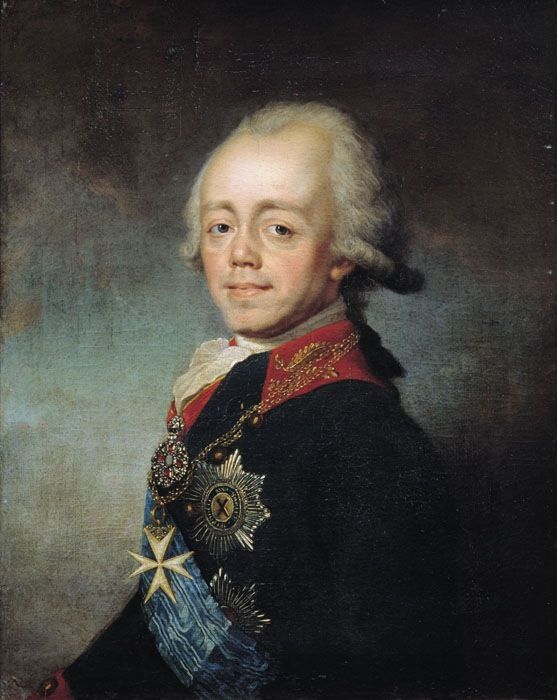
Tsar Pavel I
A few days ago, it was the 220th anniversary of the palace coup that, in the early hours of 24 March 1801, deposed the Russian Tsar, Pavel (Paul) I, the last of the Russian monarchs to fall in this way.[1] Continue reading


 Kyle Orton's Blog