Tag Archives: Abu Hamza al-Muhajir

The Official Declaration that Made Abu Bakr al-Baghdadi Leader of the Islamic State

By Kyle Orton (@KyleWOrton) on 30 December 2017
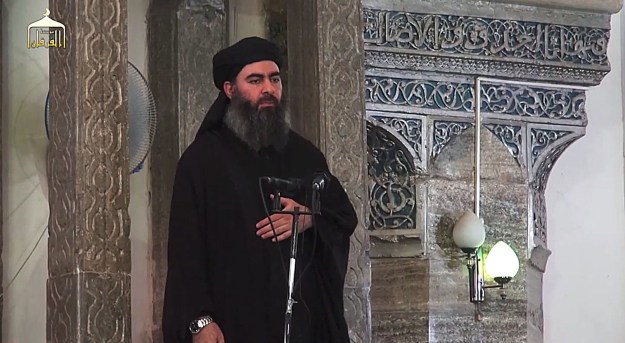
The leader of the Islamic State, Ibrahim al-Badri (Abu Bakr al-Baghdadi), speaking at the Zengi Mosque in Mosul, 4 July 2014 // AP Images

The current leader of the Islamic State (IS), Ibrahim al-Badri (Abu Bakr al-Baghdadi), was appointed as al-amir al-mu’mineen (the commander of the faithful or prince of the believers) on 16 May 2010, after his predecessor, Hamid al-Zawi (Abu Umar al-Baghdadi), was killed on 18 April 2010 in the company of his deputy and “war minister”, Abdul Munim al-Badawi (Abu Hamza al-Muhajir). The official statement appointing al-Badri is reproduced below. Continue reading

The Islamic State’s Minister of War Criticises Regional Religious Leaders For Not Supporting The Jihad in Iraq

By Kyle Orton (@KyleWOrton) on 24 November 2017

Abdul Munim al-Badawi (Abu Hamza al-Muhajir), the “war minister” of the Islamic State of Iraq, the predecessor to ISIS, made a brief five-minute speech on 30 April 2007, entitled “Nada ila Ulema al-Umma” (نِدَاءٌ إِلَى عُلَمَاءِ الأُمَّةِ). “Ulema” refers to Islamic scholars, sometimes translated as “clerics”, a slightly misleading comparison with Christianity, and “umma” refers to the worldwide community of Muslims, so the title of the speech translates as, “An Appeal to the Community’s Scholars”. Al-Badawi’s basic point—made at a time when the Islamic State movement was beginning to suffer under the pressure of the Surge and Sahwa—was to condemn the regional ulema for not supporting, and not having supported, the jihadists in Iraq against the Americans and the Shi’is. Implicitly, Al-Badawi is criticising the ulema for holding back Muslims in regional States who might otherwise have joined the Iraqi jihad as foreign fighters and suicide bombers, potentially making a difference to the Islamic State’s military fortunes. A rough translation of the speech is reproduced below.

Continue reading
Al-Qaeda Instructs the Islamic State’s Predecessor Not to Attack Iran

By Kyle Orton (@KyleWOrton) on 21 November 2017

Usama bin Ladin, Qassem Sulaymani

Among the documents recovered from Usama bin Ladin’s compound in Abbottabad was the “Letter to Karim”, dated 18 October 2007. The letter was released in 2015 by the Office of the Director of National Intelligence (ODNI). “Karim” likely refers to Abdul Munim al-Badawi (Abu Hamza al-Muhajir), the leader of al-Qaeda in Mesopotamia (AQM), the predecessor organization to the Islamic State, after the group’s founder, Ahmad al-Khalayleh (Abu Musab al-Zarqawi), was killed in June 2006. The letter is reproduced below with some interesting details highlighted in bold. Continue reading

Islamic State Officially Gives Up the Caliphate, Returns to Insurgency

By Kyle Orton (@KyleWOrton) on 15 November 2017

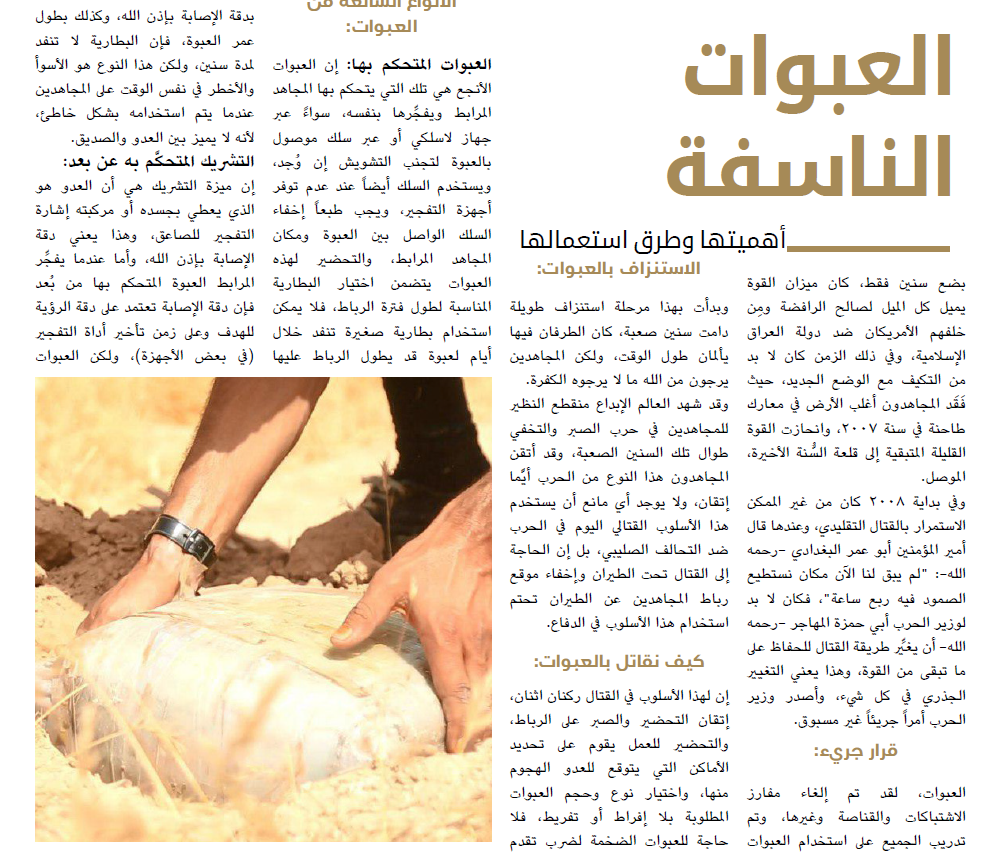
Al-Naba 101, page 8

In the 101st edition of the Islamic State’s weekly newsletter al-Naba (page 8-9), released on 12 October 2017, the organisation gave some fascinating details about how they responded to the “defeat” inflicted on them in 2007-08 by the American surge and the tribal Sahwa (Awakening) forces. The article describes how IS switched wholly to insurgent-terrorist tactics, dismantling its conventional fighting units and even its sniper teams in March 2008, and training in hit-and-run bombings. The leadership at that time, the emir Hamid al-Zawi (Abu Umar al-Baghdadi) and his deputy, the “first minister” and the “war minister” Abdul Munim al-Badawi (Abu Hamza al-Muhajir), encountered some initial scepticism, but the rank-and-file soon came on board when they saw its effectiveness. IS says that it is time to return to this form of warfare. In short, IS marked a switch in al-Naba 101 entirely from the statehood and governance phase of its revolutionary warfare, back into insurgency mode. The article is reproduced below. Continue reading

The Islamic State’s Profile of Manaf al-Rawi

By Kyle Orton (@KyleWOrton) on 1 October 2017

Manaf al-Rawi

The Islamic State and its supporters release short biographies of their slain leaders. One such profile was released by Manaf Abdul Rahim al-Rawi and is reproduced below. (A fuller profile of al-Rawi is available here.) Continue reading

The Chief of Staff of the Islamic State

By Kyle Orton (@KyleWOrton) on 11 September 2017

In his twelfth speech since the founding of “the State,” on 24 September 2008, Hamid al-Zawi (Abu Umar al-Baghdadi), listed the “commander in chief”, or chief of staff, Abu al-Bashair al-Jiburi, as among the top heroes of the Islamic State of Iraq (ISI). Al-Zawi said that Abu al-Bashair had been recently martyred.

In an interview released on 28 October 2008, Abdul Munim al-Badawi (Abu Hamza al-Muhajir), al-Zawi’s deputy and the “war minister” of ISI, said that Abu al-Bashair was an Iraqi and a former colonel in Saddam Husayn’s army. Continue reading

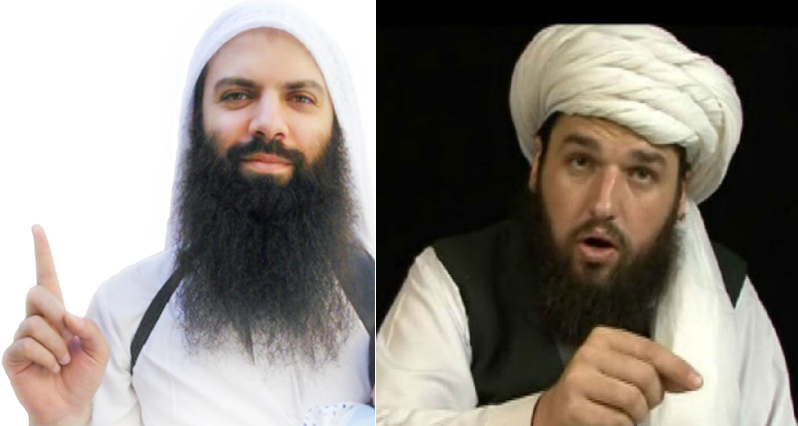
The Top American in the Islamic State Attacks the Top American in Al-Qaeda

By Kyle Orton (@KyleWOrton) on 20 July 2017

A couple of months ago, the Islamic State revealed that one of its most senior officials in the crucial media department until his death in January 2017 was an American, Ahmad Abousamra, known by various kunyas, including Abu Sulayman al-Shami and Abu Maysara al-Shami. Looking around afterwards, I came across an article by Abousamra condemning Adam Gadahn, another American, who was part of the core leadership of Al-Qaeda—one of the handful of men around Usama bin Laden and then Ayman al-Zawahiri—until he was killed in January 2015.

Continue reading

When Usama Bin Laden Defended the Islamic State

By Kyle Orton (@KyleWOrton) on 17 July 2017

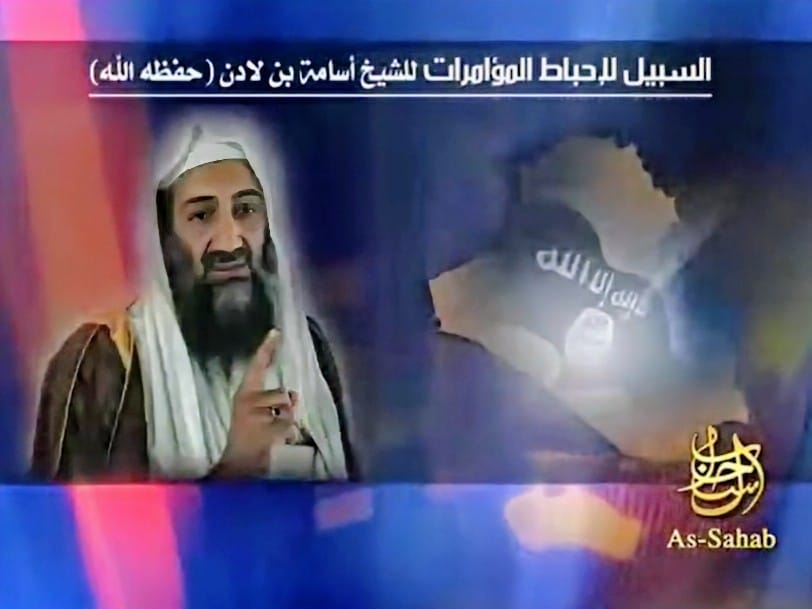
Usama bin Laden gave a speech lasting nearly an hour on 29 December 2007, entitled, “The Way to Foil the Conspiracies”. A translation of the speech is published below.

Continue reading

Islamic State Claims the Westminster Attack

By Kyle Orton (@KyleWOrton) on 31 March 2017

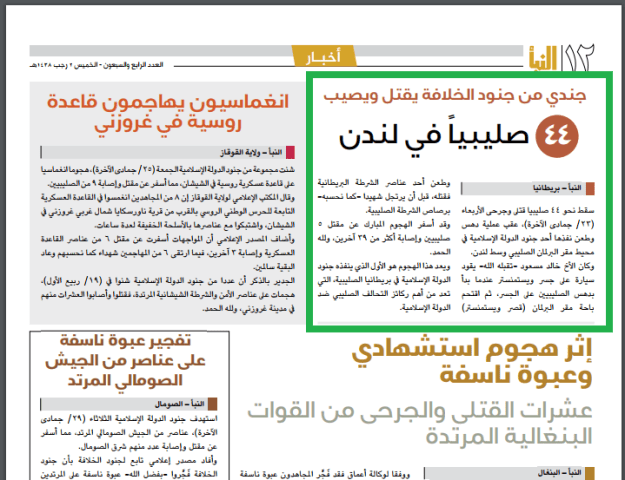
Al-Naba 74, page 12, 30 March 2017

The seventy-fourth edition of al-Naba, the Islamic State’s newsletter, released online on 30 March 2017, reiterated the terrorist group’s 23 March claim via Amaq of the 22 March Westminster attack by Khalid Masood (born: Adrian Russell Ajao). The brief article is reproduced below.
Continue reading
Why The Islamic State Endures

By Kyle Orton (@KyleWOrton) on March 15, 2017

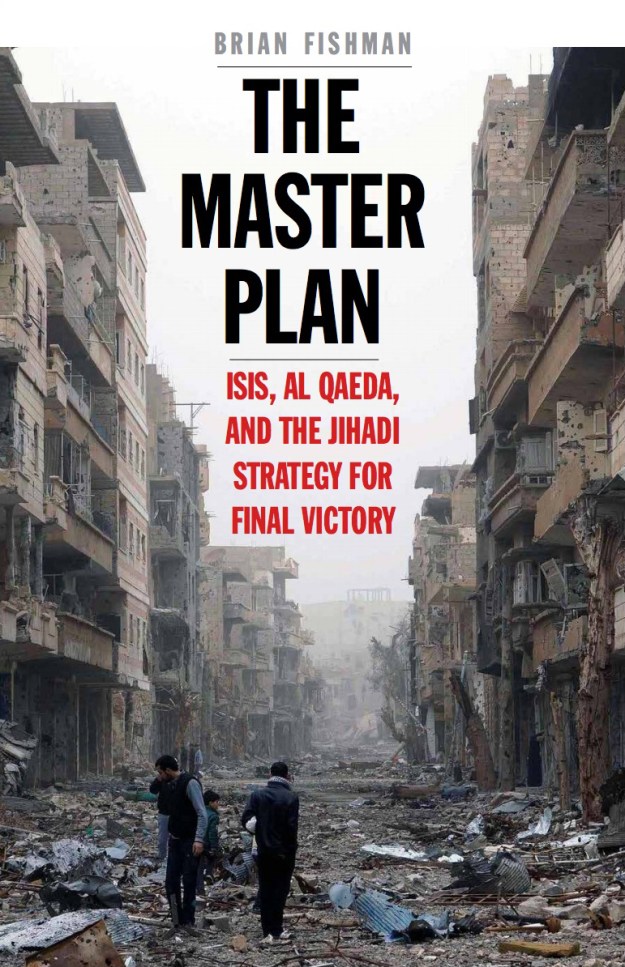
Brian Fishman’s The Master Plan provides a comprehensive history of the Islamic State’s (IS) strategic evolution, covering the personalities and events that shaped one of the most feared terrorist-insurgent groups that has ever existed. Eminently readable, in places even amusing—no small feat in a book about IS—Fishman flips with ease between the overview and the granular to demonstrate his points, using new sources that will allow as much supplementary research as a reader could wish for, and ties it together in a narrative that will be of use to both specialists and generalists. Continue reading