Tag Archives: Abu Musab al-Zarqawi

The Structure of Al-Qaeda

By Kyle Orton (@KyleWOrton) on August 14, 2016
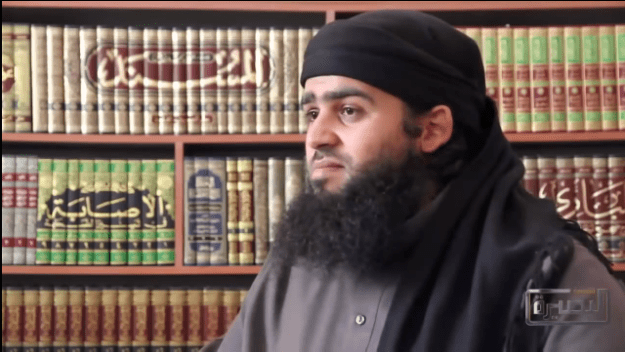
Screenshot of Mostafa Mahamed (Abu Sulayman al-Muhajir) during a video interview, 12 April 2014

Screenshot of Mostafa Mahamed (Abu Sulayman al-Muhajir) during a video interview, 12 April 2014

Mostafa Mahamed (Abu Sulayman al-Muhajir) is an Australian citizen who was born on 14 February 1984 in Port Said, Egypt. Mahamed currently occupies a “senior leadership position” within al-Qaeda in Syria—formerly Jabhat al-Nusra, now Jabhat Fatah al-Sham (JFS)—according to the sanctions levied against him in May by the U.S. Treasury. In an indication of Mahamed’s seniority, he moved from Australia to Syria in late 2012 and within a few months led the mediation efforts between al-Nusra and the then-Islamic State of Iraq and Syria (ISIS), now the Islamic State (IS), that began with a breach in April 2013 and ended with al-Qaeda expelling ISIS from its command structure in February 2014. Mahamed is also one of the public faces of al-Qaeda in Syria, now calling himself the “Director of Foreign Media Relations of JFS”. In this capacity, Mahamed has inter alia recently communicated with CNN to further the narrative that al-Nusra/JFS has “split” with al-Qaeda—something, let it be noted, neither the leader of al-Nusra/JFS nor Mahamed have actually said.

With regard to both the ongoing narrative war between IS and al-Qaeda over what their actual relationship was in the lead-up to the schism and al-Qaeda’s structure—the two things very much interlinked—Mahamed gave a very useful interview on 12 April 2014, about ten weeks before ISIS became IS when it declared its caliphate. Mahamed also touches on other interesting matters, such as those jihadi ideologues al-Nusra/JFS regards as guides, and—small point—al-Qaeda’s continuing claim that IS’s founder, Abu Musab al-Zarqawi would have sided with them. (This is matched on the other side by IS continuing to feature Usama bin Ladin in their propaganda as one of their forebears, while regarding Ayman al-Zawahiri as deviant.)

In watching the video back, I ended up taking notes, which turned into a partial (though fairly substantial) transcript that will perhaps be of use to others as well, so it’s posted below. Continue reading
Did Assad Recruit the Leader of Al-Qaeda in Syria?

By Kyle Orton (@KyleWOrton) on August 11, 2016

1

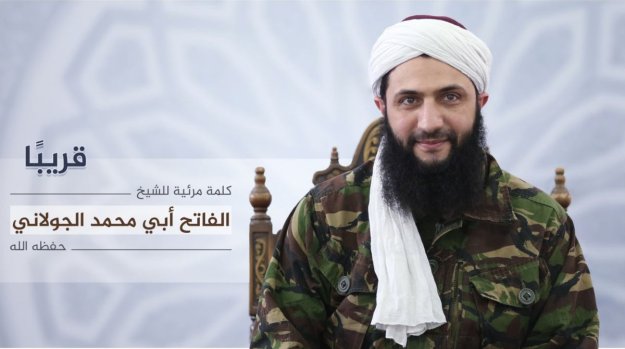
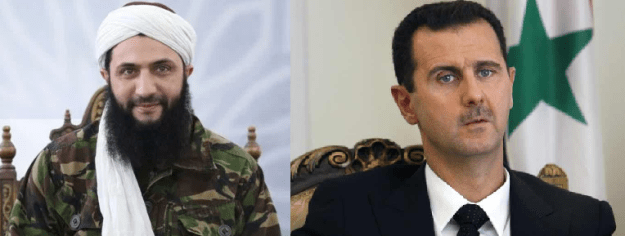
In the course of al-Qaeda’s rebranding operation in Syria two weeks ago—the full implications of which are discussed here—the organization showed the face of its leader, Abu Muhammad al-Jolani, for the first time. Soon afterward it was revealed that al-Jolani’s real name was Ahmad al-Shara, originally from Deraa in southern Syria, who had lived in Damascus. A report in Al-Monitor has now added details that purportedly show the hand of Bashar al-Assad’s regime in al-Shara’s path to joining the predecessor organization of the Islamic State (IS), from which he eventually split, and underlines the role the Assad regime has played in fostering the terrorism it now claims to be defending the Syrian population and the world from. Continue reading

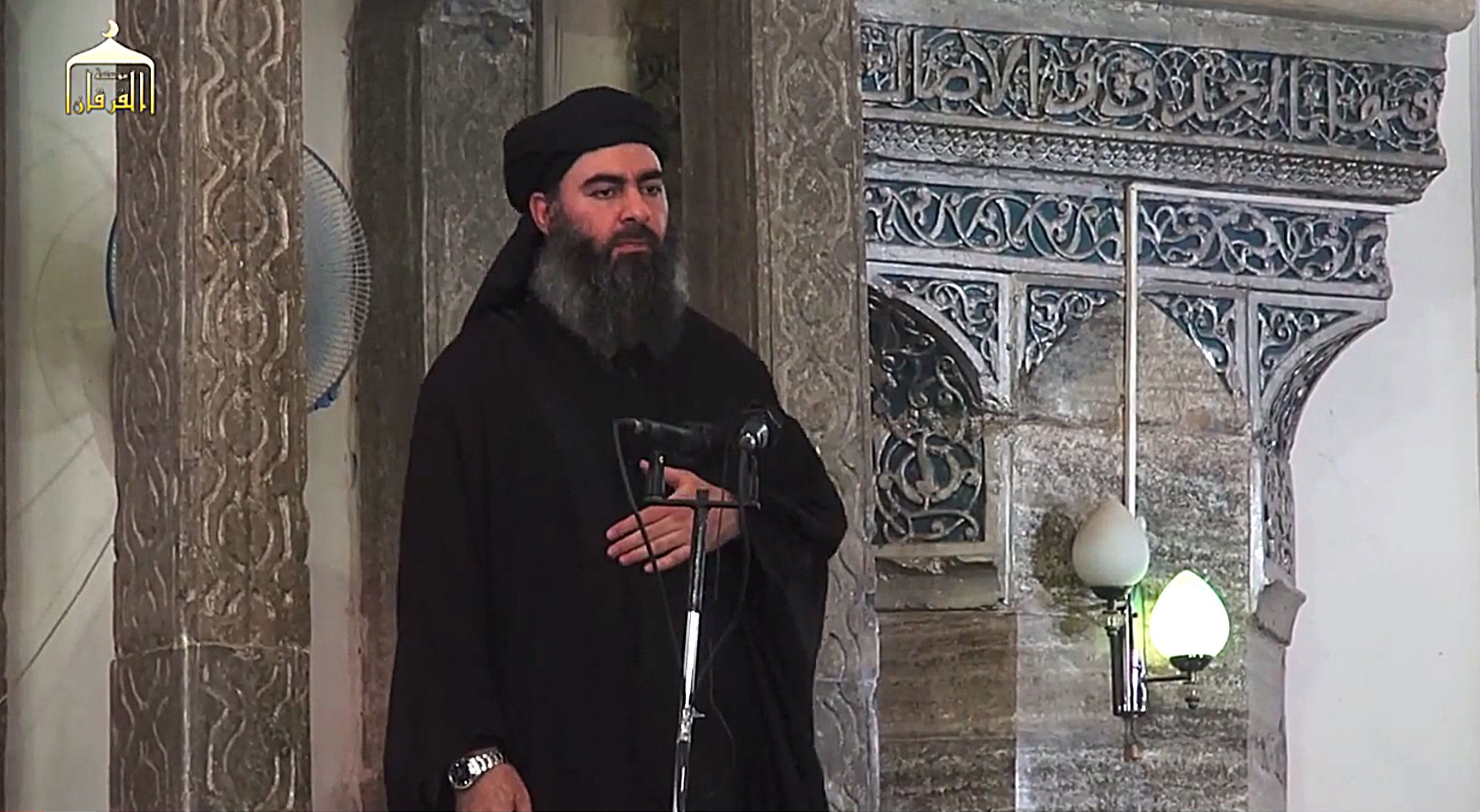
Profile of the Islamic State Caliph: Abu Bakr al-Baghdadi

By Kyle Orton (@KyleWOrton) on August 7, 2016

This post is drawn from a recent report I published profiling the leadership of the Islamic State.

The leader of the Islamic State (IS) since 2010 has been Abu Bakr al-Baghdadi, previously known as Abu Dua or Abu Awad, and his real name—acknowledged by IS itself since the declaration of the so-called Caliphate in 2014—is Ibrahim Awwad Ibrahim Ali Muhammad al-Badri al-Samarrai.

Continue reading

Al-Qaeda Rebrands, Marches on in Syria

By Kyle Orton (@KyleWOrton) on August 2, 2016

First ever picture of the leader of Jabhat al-Nusra (al-Qaeda in Syria), Ahmad al-Shara (Abu Muhammad al-Jolani), 28 July 2016

First ever picture of the leader of Jabhat al-Nusra (al-Qaeda in Syria), Ahmad al-Shara (Abu Muhammad al-Jolani), 28 July 2016

The leader of Jabhat al-Nusra (al-Qaeda in Syria), Abu Muhammad al-Jolani, whose real name is Ahmad al-Shara, ostensibly broke the link between his organization and al-Qaeda last week. This is another stage in al-Qaeda’s long-term strategy of embedding itself into local societies so that it can more effectively reshape the faith and shield itself from the international community. Continue reading

Governing the Caliphate: Profiles of Islamic State Leaders

By Kyle Orton (@KyleWOrton) on July 29, 2016

A new report by me for the Henry Jackson Society (accessible here) is out today. It looks at those governing the statelet held by the Islamic State in parts of Syria and Iraq, and those who are orchestrating IS’s foreign terrorist attacks, including in Europe. The wave of attacks over Ramadan has been described as a “lone wolf” epidemic by many, but IS is coordinating this mayhem through its Amn al-Kharji, foreign intelligence service, and the report looks at who staffs this institution and the dangers of writing-off these attacks as the work of lone radicals with no connection to each other or IS.  Continue reading

Donald Trump is Wrong (Again): Saddam Hussein Supported Terrorism

By Kyle Orton (@KyleWOrton) on July 6, 2016

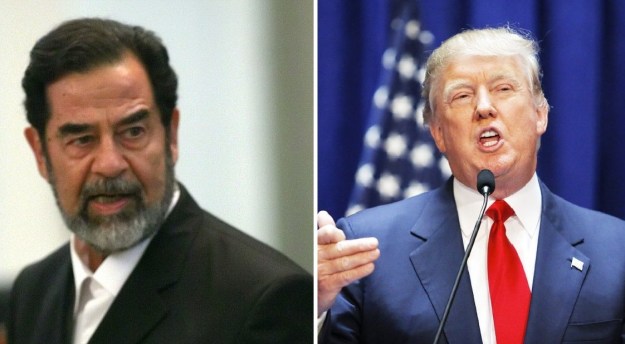
Last night Donald Trump unburdened himself of the view that Saddam Hussein was an efficient anti-terrorist operator. It is a statement Trump has made before, and it is one of such staggering ignorance—yet one which has such wide sympathy—that it seemed worth examining the multiple ways in which it was wrong. Continue reading

The Islamic State, Territory, and a Change of Tone

By Kyle Orton (@KyleWOrton) on May 26, 2016

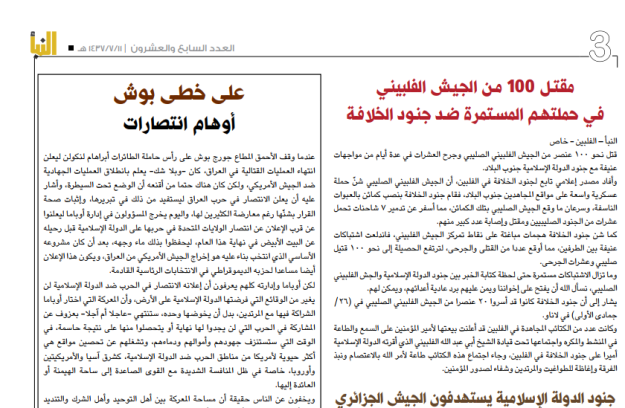
The Islamic State’s spokesman, Taha Falaha (Abu Muhammad al-Adnani), released a speech on 21 May that prepared the ideological ground for the loss of territory by underlining something the Islamic State has long maintained: the caliphate is more a cause than a location. This was a departure, however, from the confident messaging that the Islamic State had emphasized since it announced the caliphate in June 2014. Just a month before Falaha’s speech, on 16 April, the twenty-seventh edition of al-Naba, the Islamic State’s weekly newsletter, carried an editorial that was triumphalist about the march of the jihadists—despite the losses in the prior eight weeks, of Ramadi in early February, al-Shadadi later in February, Palmyra on 27 March, and al-Qaryatayn on 3 April. That editorial from al-Naba 27 is reproduced below. Continue reading

Islamic State Prepares for Retreat, Calls for Foreign Terrorism

By Kyle Orton (@KyleWOrton) on May 23, 2016

1

Taha Falaha (Abu Muhammad al-Adnani) is the governor Islamic State-held territory in Syria and oversees the foreign attacks, a roster of duties which indicates that Falaha so powerful that he is effectively the caliph’s deputy after the demise of Abd al-Rahman al-Qaduli (Abu Ali al-Anbari) in March. Falaha is also IS’s official spokesman, and on 21 May 2016 he gave a very significant speech entitled, “That They Live By Proof”. The speech, released by Al-Hayat Media Centre, is reproduced below with some minor alterations in transliteration, some important sections highlighted in bold, and some notes added for explanation.

Falaha made three major points. First, Falaha was especially adamant that territorial control by IS should not be considered a measure of IS’s success: it lost all urban holdings and went into the deserts last time, after the strategic defeat in 2008, but it held to its cause and America withdrew, and this ideological cohesiveness and determination led it to be more powerful than ever within five years. Second, Falaha made use of the savage conduct of the coalition made up of the Assad regime, Iran, and Russia—and the Western indifference to same—to argue for Sunnis to see IS as a protective barrier against such sectarian foes. And, third, Falaha called for foreign attacks by Western Muslims, saying that if IS’s loyalists were unable to journey to IS-held areas this should not be considered a problem since attacks in the West are “more beloved to [IS] than the biggest act done [within the caliphate]”. Continue reading

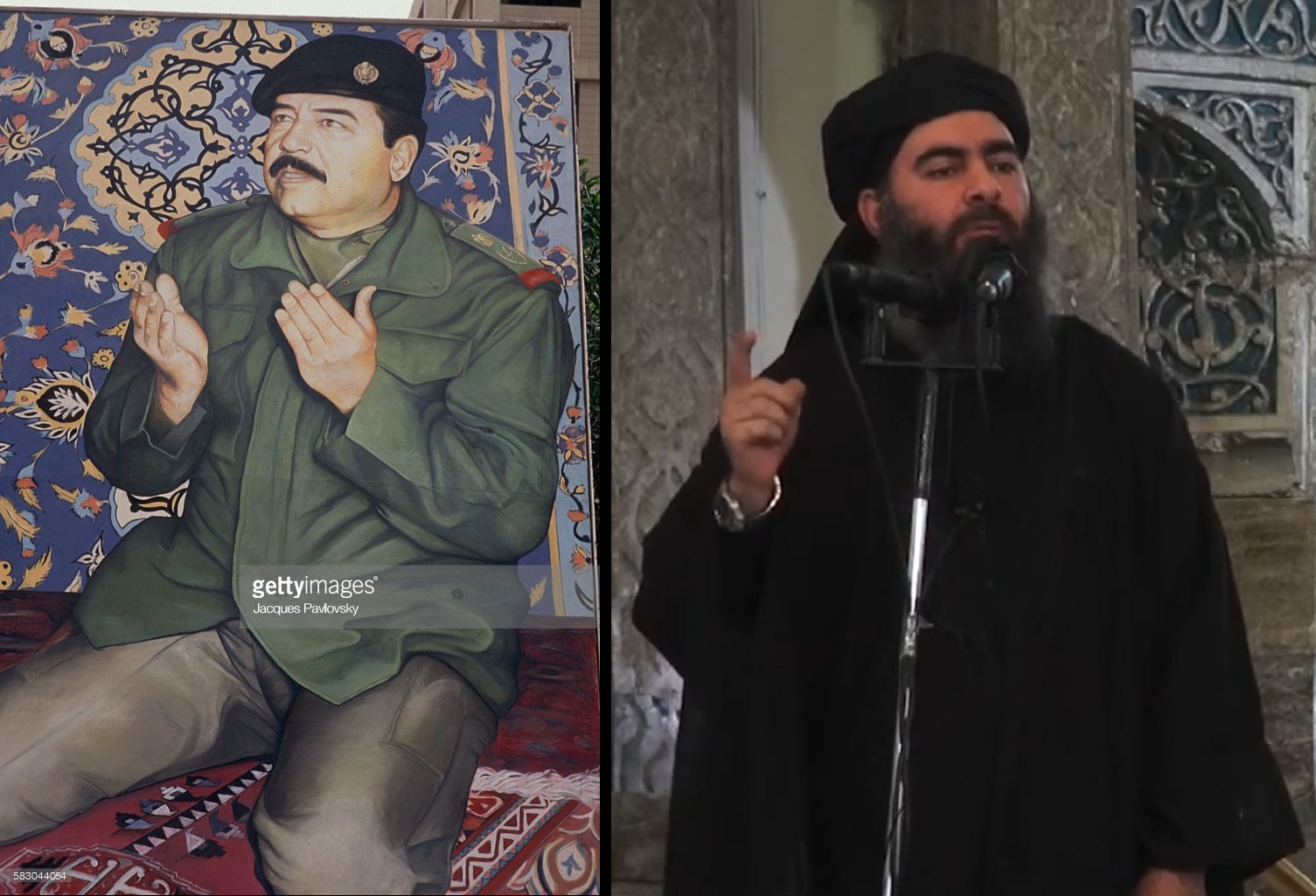
Saddam Hussein Prepared the Ground for the Islamic State

By Kyle Orton (@KyleWOrton) on April 26, 2016

This essay, written to tie together my work on the relationship between the Saddam Hussein regime and the Islamic State, was completed last summer and submitted to an outlet, where it entered a form of development hell. After giving up on that option late last year, the opportunity arose to get a shorter version published in The New York Times in December. But I procrastinated too long over what to do with the full essay and a recent change in my work situation means I no longer have the bandwidth to go through the process of finding it a new home, so here it is.

“Abu-Bakr al Baghdadi is a product of the last decade of Saddam’s reign,” argues Amatzia Baram, a scholar of Iraq. He is correct in at least three ways. First, in its last decade in power, the Iraqi Ba’ath regime transformed into an Islamist government, cultivating a more religious, sectarian population on which the Islamic State (ISIS) could draw. Part of Saddam Hussein’s “Faith Campaign” also involved outreach to Islamist terrorists, including al-Qaeda, which meant that the synthesis of Ba’athism and Salafism that fused into the Iraqi insurgency after the fall of Saddam was already well advanced by the time the Anglo-American forces arrived in Baghdad in 2003. Second, the ISIS leadership and military planning and logistics is substantially reliant on the intellectual capital grown in the military and intelligence services of the Saddam regime. And finally, the smuggling networks on which ISIS relies, among the tribes and across the borders of Iraq’s neighbours, for the movement of men and materiel, are directly inherited from the networks erected by the Saddam regime in its closing decade to evade the sanctions. The advantages of being the successor to the Saddam regime make ISIS a more formidable challenge than previous Salafi-jihadist groups, and one that is likely to be with us for some time.

Continue reading

Islamic State Denounces Those Who Make Palestine the Foremost Muslim Cause

By Kyle Orton (@KyleWOrton) on April 2, 2016

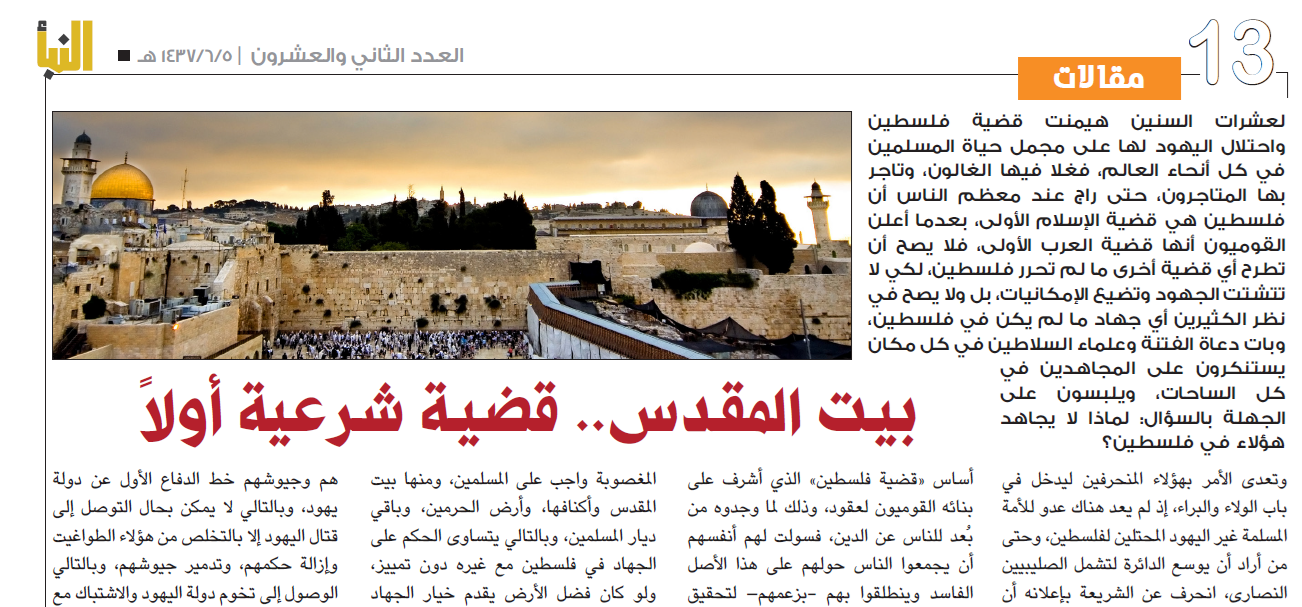
An article in the twenty-second edition of al-Naba, the Islamic State’s (IS) newsletter, released on 15 March 2016, explained why the group has not made fighting Israel a priority.

Continue reading