By Kyle Orton (@KyleWOrton) on 20 June 2023

By Kyle Orton (@KyleWOrton) on April 26, 2016
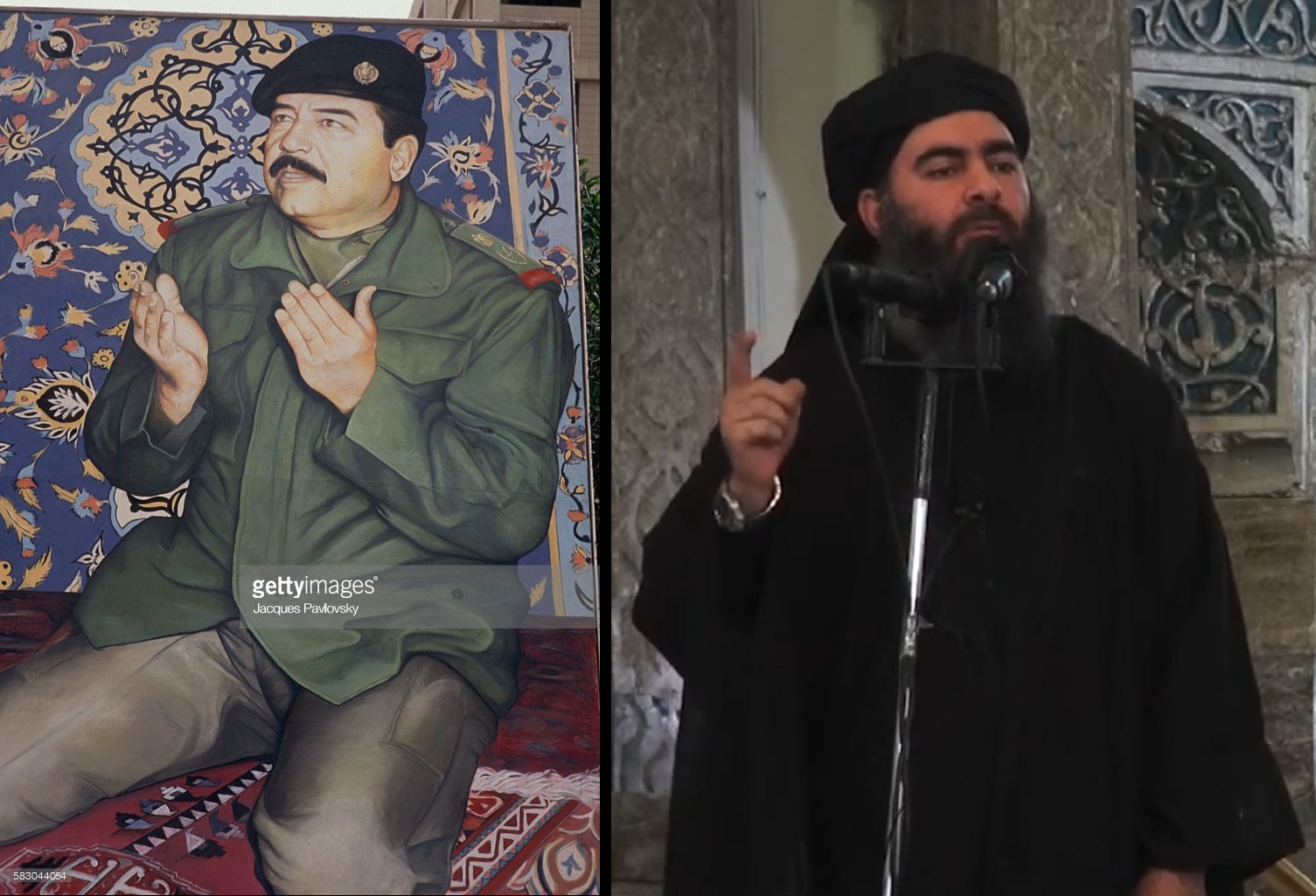
This essay, written to tie together my work on the relationship between the Saddam Hussein regime and the Islamic State, was completed last summer and submitted to an outlet, where it entered a form of development hell. After giving up on that option late last year, the opportunity arose to get a shorter version published in The New York Times in December. But I procrastinated too long over what to do with the full essay and a recent change in my work situation means I no longer have the bandwidth to go through the process of finding it a new home, so here it is.
“Abu-Bakr al Baghdadi is a product of the last decade of Saddam’s reign,” argues Amatzia Baram, a scholar of Iraq. He is correct in at least three ways. First, in its last decade in power, the Iraqi Ba’ath regime transformed into an Islamist government, cultivating a more religious, sectarian population on which the Islamic State (ISIS) could draw. Part of Saddam Hussein’s “Faith Campaign” also involved outreach to Islamist terrorists, including al-Qaeda, which meant that the synthesis of Ba’athism and Salafism that fused into the Iraqi insurgency after the fall of Saddam was already well advanced by the time the Anglo-American forces arrived in Baghdad in 2003. Second, the ISIS leadership and military planning and logistics is substantially reliant on the intellectual capital grown in the military and intelligence services of the Saddam regime. And finally, the smuggling networks on which ISIS relies, among the tribes and across the borders of Iraq’s neighbours, for the movement of men and materiel, are directly inherited from the networks erected by the Saddam regime in its closing decade to evade the sanctions. The advantages of being the successor to the Saddam regime make ISIS a more formidable challenge than previous Salafi-jihadist groups, and one that is likely to be with us for some time.
Continue readingBy Kyle Orton (@KyleWOrton) on September 28, 2015
A version of this article was published at NOW Lebanon and syndicated at Business Insider

American intelligence analysts have been pressured into giving a more positive assessment of the progress of the war against the Islamic State (ISIS), it has been reported, confirming what was obvious to everyone not subject to influence from the White House: the anti-ISIS campaign is failing. To devise an effective strategy involves understanding where ISIS came from, and that involves examining the Saddam Hussein regime.
Saddam is commonly regarded as the quintessential secularist, and he was initially. But over its last fifteen years the Saddam regime Islamized, effectively creating a religious movement under Saddam’s leadership, giving additional space and power to the non-governmental Salafi Trend, and hardening the sectarian differences in Iraq—paving the way for something like ISIS in its aftermath.
Continue readingBy Kyle Orton (@KyleWOrton) on April 21, 2015
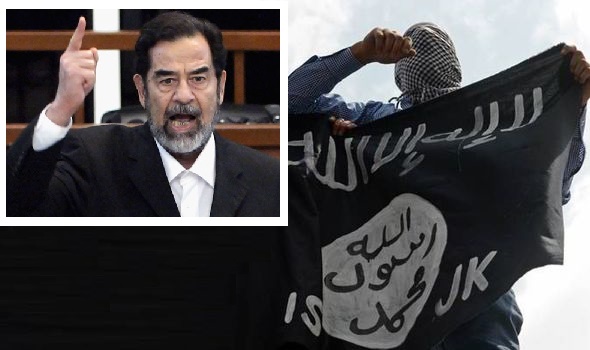
Having presented the evidence that Saddam Hussein Islamized his foreign policy and then Islamized his regime, above all with the Islamic Faith Campaign, beginning in June 1993 that tried to fuse Ba’athism with Salafism, encouraging (and keeping under surveillance) a religious revival in Iraq that redounded to the benefit of the regime’s legitimacy and support, I wanted to look at what this history means for Iraq and the wider region now.
I pointed out in October that the “military strength” of the Islamic State (ISIS) “comes from the remnants of Saddam Hussein’s military-intelligence apparatus and the Caucasus’ Salafi-jihadists.”
Continue reading
