By Kyle Orton (@KyleWOrton) on 4 August 2024
By Kyle Orton (@KyleWOrton) on 30 July 2022

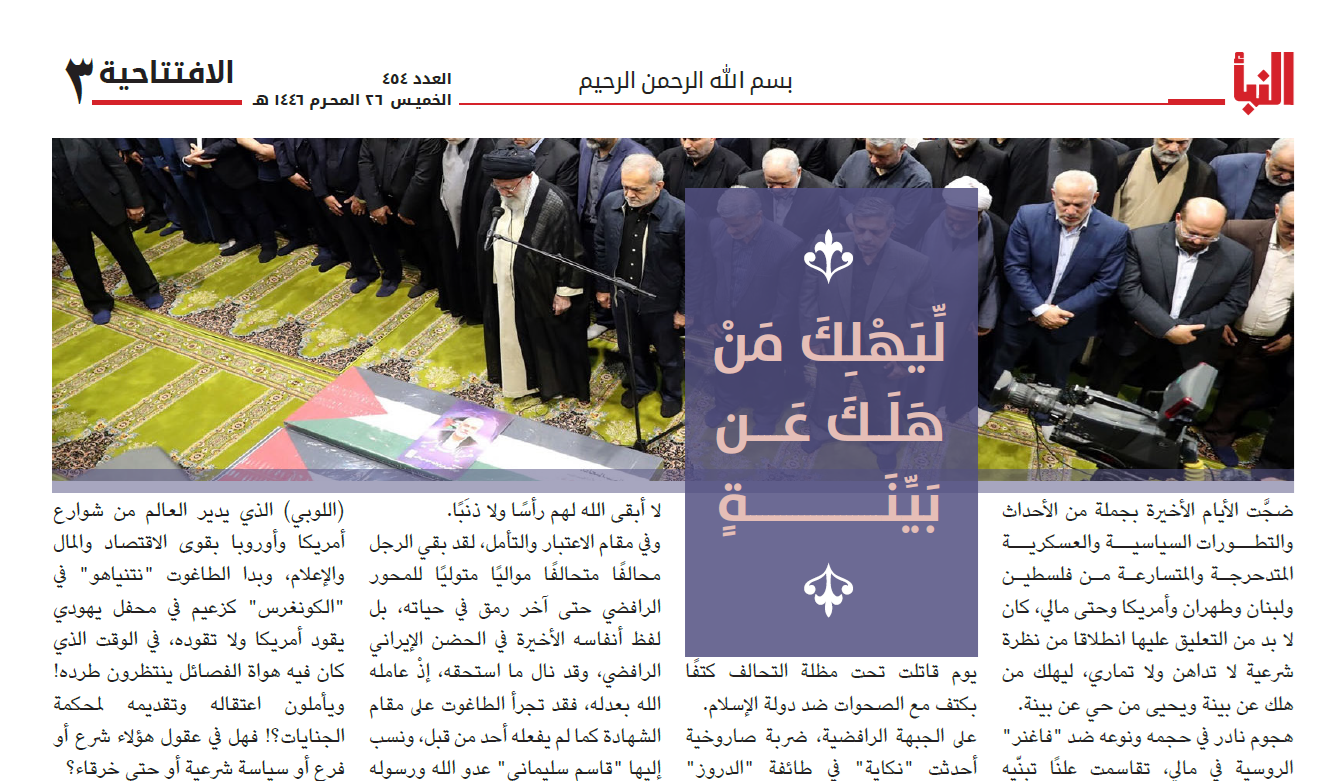
Islamic State in Palmyra, December 2016
By Kyle Orton (@KyleWOrton) on 31 August 2021
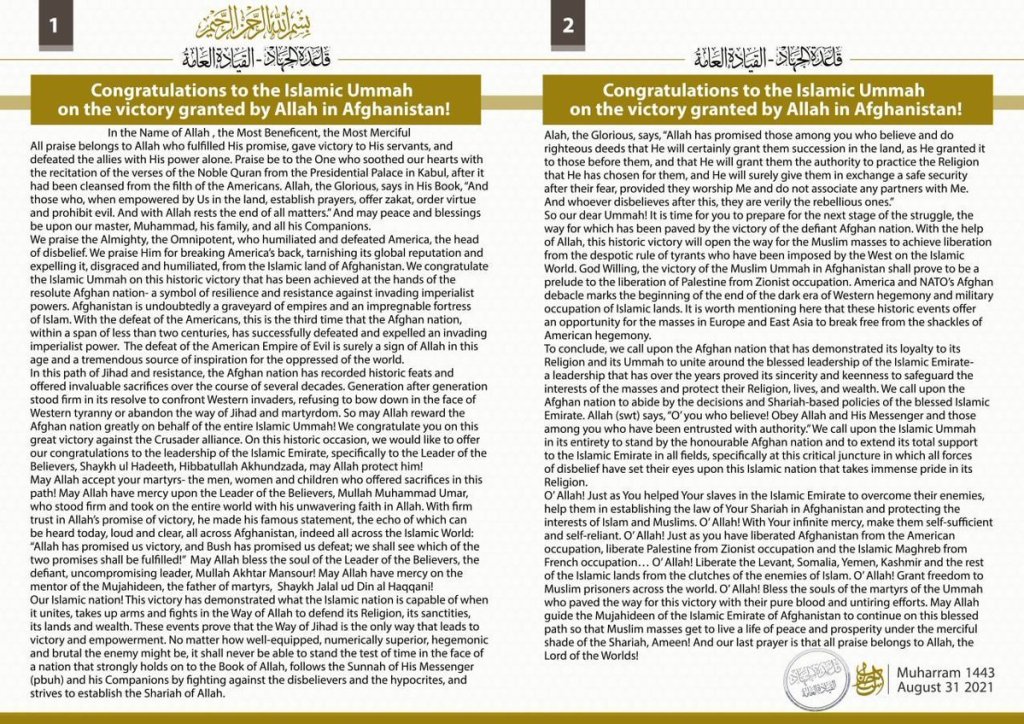
Al-Qaeda’s General Command released a statement earlier today through As-Sahab Media congratulating the Taliban on its victory in Afghanistan. This is the first statement from Al-Qaeda Central since the cataclysmic events in Afghanistan over the past few weeks. The official silence of the organisation heretofore—even as its operatives worked in lock-step with the rest of the coalition of jihadists run by Pakistan’s Inter-Services Intelligence (ISI) to conquer the country—is almost certainly deliberate, to allow the Taliban and the United States political cover to ensure the American departure while avoiding the ramifications of Al-Qaeda controlling the Afghan state, the very thing the mission in Afghanistan was intended to (and had succeeded in, so long as it was sustained) undoing. The statement itself is exactly what one would expect: gloating about the West’s defeat and the damage to American hegemony, saying this proves that jihad is the only way, and that the Taliban’s “Islamic Emirate” is merely the first step in a global campaign to bring the world under the rule of the shari’a. The text of the English-language statement is posted below, with some minor editions for transliteration and translation. Continue reading
By Kyle Orton (@KyleWOrton) on 15 November 2020

Al-Naba 260, page 10
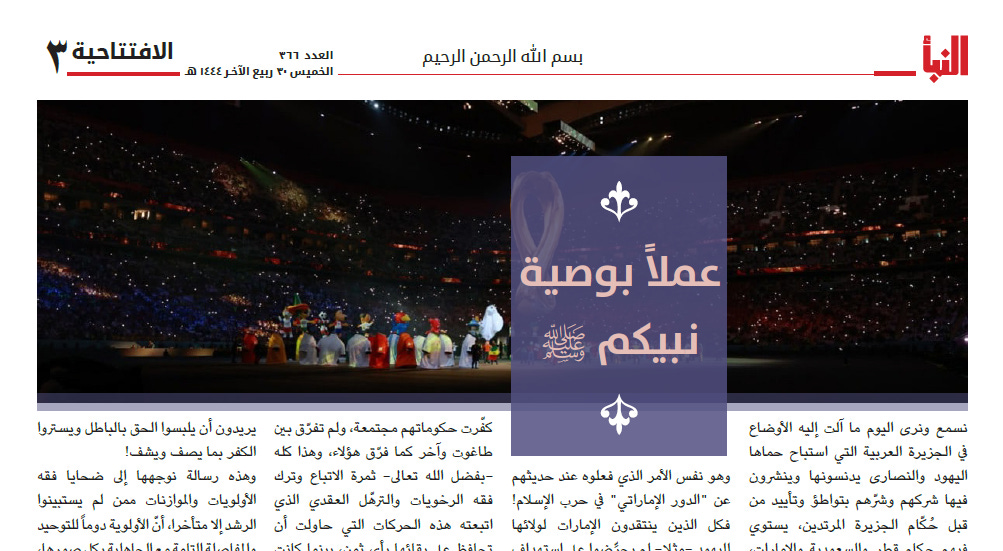
The Islamic State (IS) put out the 260th edition of its newsletter, Al-Naba, on 13 November. Much of the focus was on IS’s war with its jihadi rival, Al-Qaeda, in northern and western Africa. There are reports of guerrilla operations from elsewhere in Africa, from the Centre (in Iraq and Syria), as well as from Egypt and Afghanistan. IS notably feels secure enough in the strength of its networks to draw attention to its responsibility for several attacks in the Turkish-held areas of northern Syria, and there is a rare report of an attack in Indonesia. Al-Naba 260 also has IS’s response to the U.S. Election. Continue reading
By Kyle Orton (@KyleWOrton) on October 4, 2020
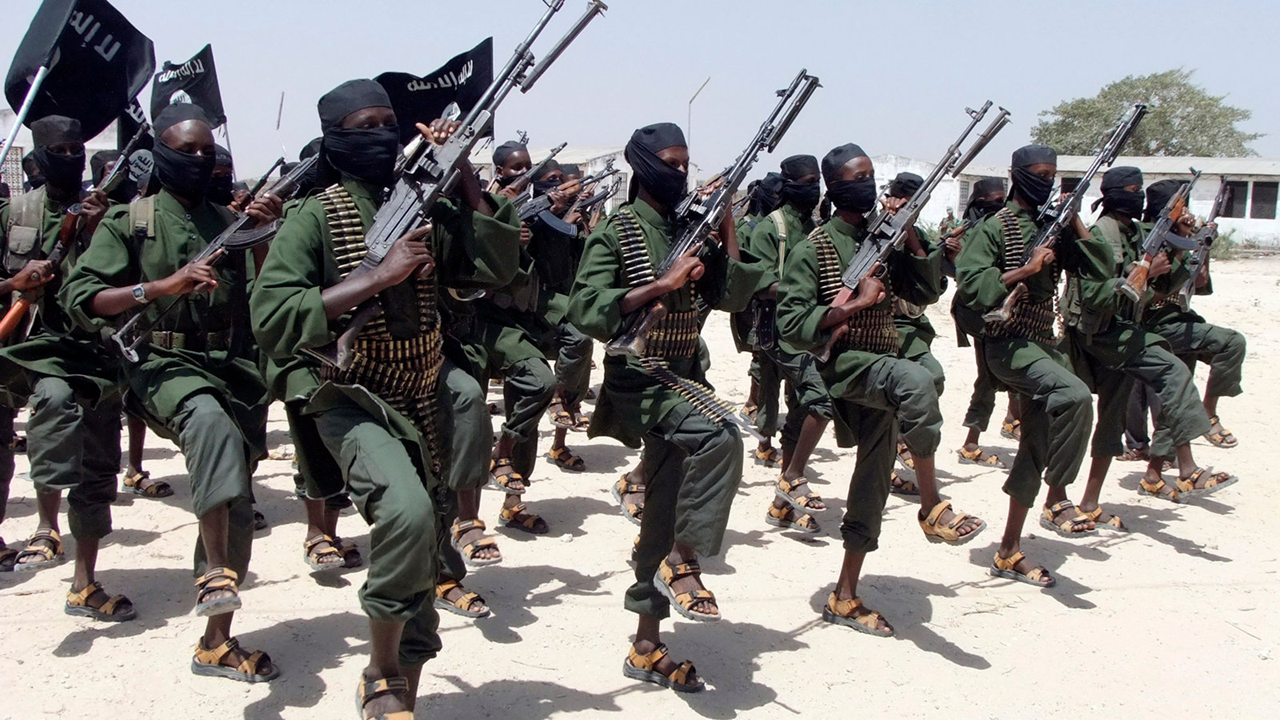
A chapter about Al-Qaeda I wrote for the American Foreign Policy Council’s (AFPC) ‘World Almanac of Islamism’ was published today. Do check it out, and the broader site, which is a great, accessible resource. The format of the website necessitated that the chapter as I submitted it was edited, condensed, and split up to fill out the various categories. In case it is of any interest, the original version of the chapter is reproduced below.
By Kyle Orton (@KyleWOrton) on September 11, 2020
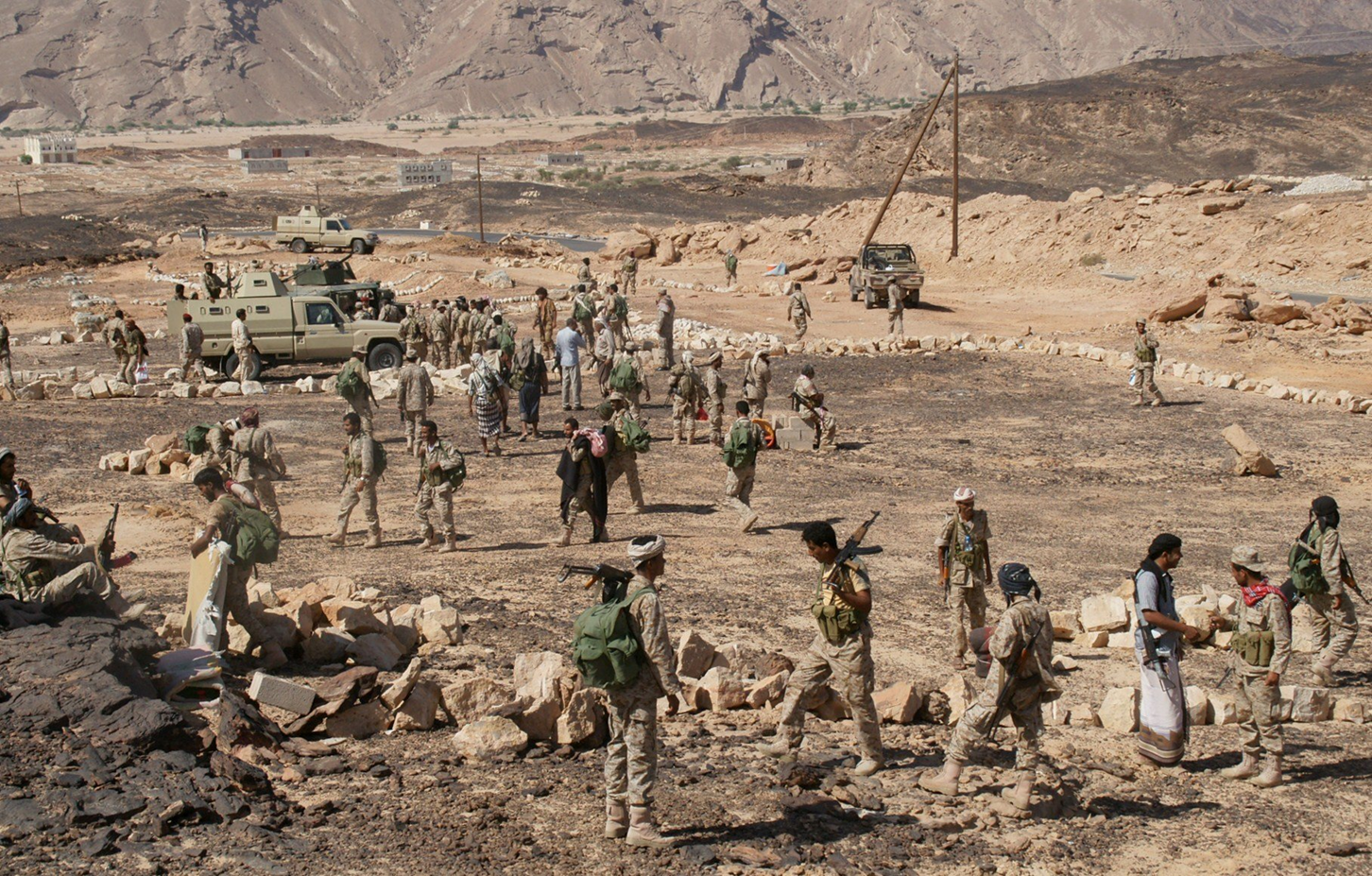
In writing a chapter earlier this year about the current status of Al-Qaeda, part of the process was reviewing the organisation’s history since its formation in the late 1980s. What really struck me was how extensively Al-Qaeda is now manipulated, under the influence of, and in places even controlled by state powers. To mark the nineteenth anniversary of 9/11, I thought I could give a brief sketch of this development.
By Kyle Orton (@KyleWOrton) on 26 May 2020
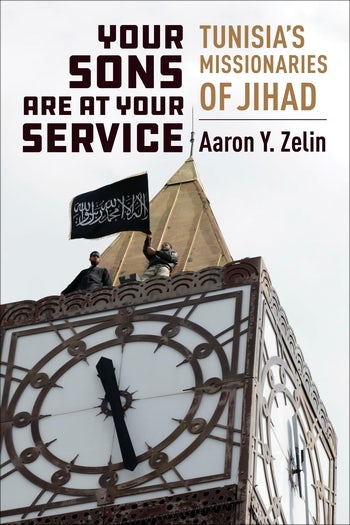
Early in his new book, Your Sons Are At Your Service: Tunisia’s Missionaries of Jihad, The Washington Institute’s Aaron Zelin quotes a pair of sociologists who note that ‘where theories are plentiful … ideas are vacuous’. The book is in many ways the antithesis of this approach. It is not without theoretical content; where social movement theory arises as a means of understanding jihadism, say, the author gives an overview of the literature to contextualise it for the reader. But the general approach is historical, empirical, and detail-rich, so that by the time Zelin summarises his findings in the various sections there can be no doubt about the evidentiary basis. Continue reading
By Kyle Orton (@KyleWOrton) on 15 April 2019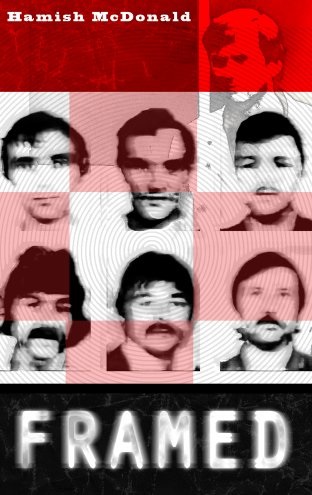
In February 1979, police in south-eastern Australia arrested six people. The suspects were members of the Croatian nationalist scene that agitated against Communist Jugoslavija and they had planned to commit a series of attacks against symbols of Marshal Tito’s regime that could have killed hundreds of Australians. Except they hadn’t, as Hamish McDonald, a journalist with the Sydney Morning Herald, shows in Framed (2012). Despite the “Croatian Six” being convicted for terrorism and spending a decade in prison, the reality of what had happened was nearly the exact opposite—and at least some powerful people in the Australian government knew or suspected as much from the get-go. Continue reading
Book Review: Carter Malkasian, ‘Illusions of Victory’, Oxford University Press, 2017. pp. 280.
By Kyle Orton (@KyleWOrton) on 4 July 2018
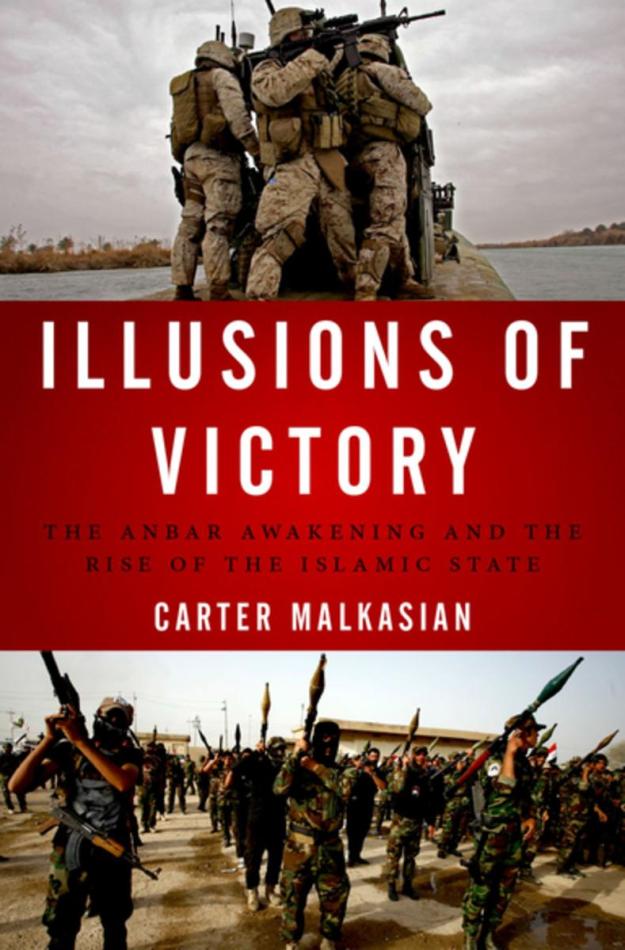
Carter Malkasian sets out in Illusions of Victory: The Anbar Awakening and the Rise of the Islamic State to upend the conventional understanding of the campaign against the Islamic State (IS) movement, known at the time as al-Qaeda in Iraq (AQI), in Anbar province of western Iraq. Continue reading
 Kyle Orton's Blog