By Kyle Orton (@KyleWOrton) on 27 August 2024
By Kyle Orton (@KyleWOrton) on 3 September 2021
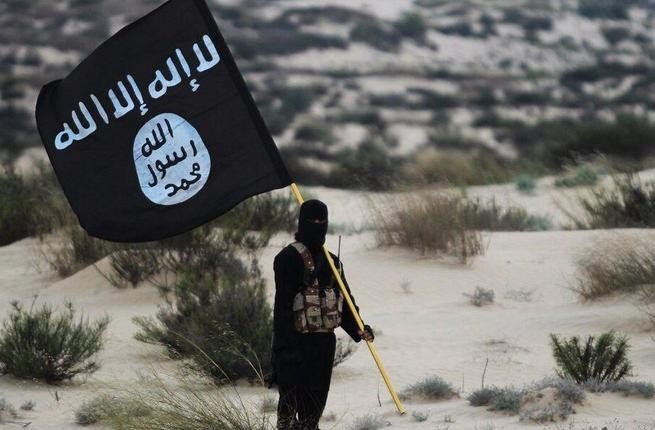
The Islamic State’s “Khorasan Province” (ISKP) was announced in January 2015 and swiftly given formal, public recognition by IS-Centre, which had sent a high-level delegation to Afghanistan in November 2014 to oversee the final stages before they announced their project. ISKP has had seven leaders. Continue reading
By Kyle Orton (@KyleWOrton) on 28 December 2019

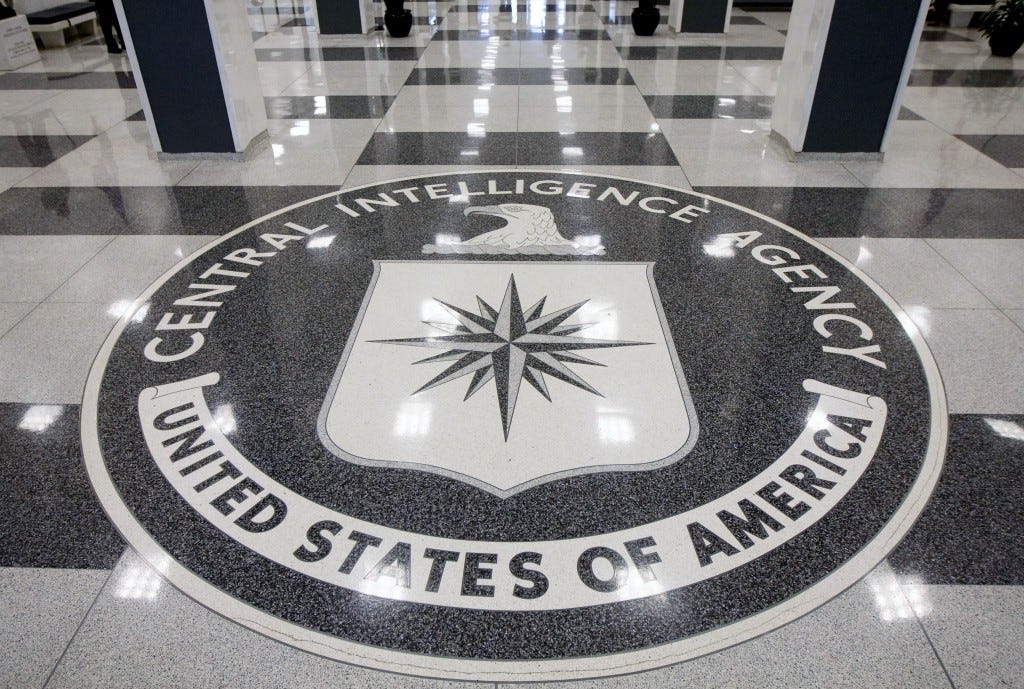
In a long article last week, I looked at why the U.S. ran a formal occupation of Iraq for fourteen months after the fall of Saddam Husayn in April 2003, given that there had been an explicit pre-invasion decision not to have an occupation government. The short answer is that the occupation was installed through deception by the State Department, supported by the Central Intelligence Agency (CIA). State and CIA had argued for a protracted occupation in the Situation Room debates in 2002, but President George W. Bush had sided with the Pentagon, which advocated a rapid transfer of power to Iraqis. Having lost in the formal inter-agency process, the State Department succeeded by subversion in getting its way on the ground in Iraq. The disaster this caused in the mismanagement of post-Saddam Iraq was, as the article explained in detail, only the most serious impact of the toxic schism between State/CIA and the Pentagon, a factor whose import is difficult to overstate when examining how the Bush administration functioned. (This feud also at times drew in the Vice President’s Office, which tended to support the Pentagon.)
By Kyle Orton (@KyleWOrton) and Oved Lobel on 14 July 2019
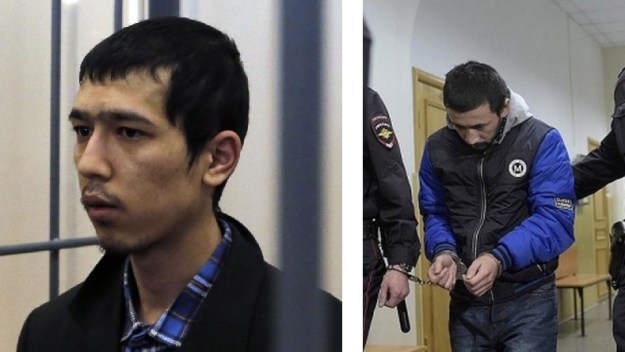
Abror Azimov in court in Moscow in April 2017 [photo source] and Mukhamadyusup Ermatov [photo source]
By Kyle Orton (@KyleWOrton) on 15 April 2019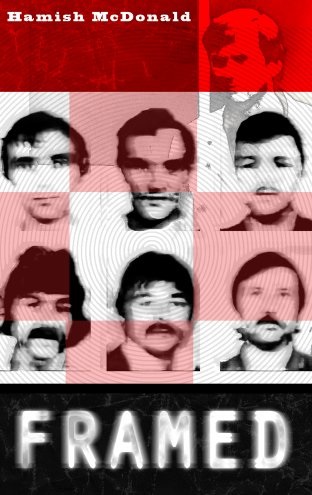
In February 1979, police in south-eastern Australia arrested six people. The suspects were members of the Croatian nationalist scene that agitated against Communist Jugoslavija and they had planned to commit a series of attacks against symbols of Marshal Tito’s regime that could have killed hundreds of Australians. Except they hadn’t, as Hamish McDonald, a journalist with the Sydney Morning Herald, shows in Framed (2012). Despite the “Croatian Six” being convicted for terrorism and spending a decade in prison, the reality of what had happened was nearly the exact opposite—and at least some powerful people in the Australian government knew or suspected as much from the get-go. Continue reading
By Kyle Orton (@KyleWOrton) on 16 November 2018
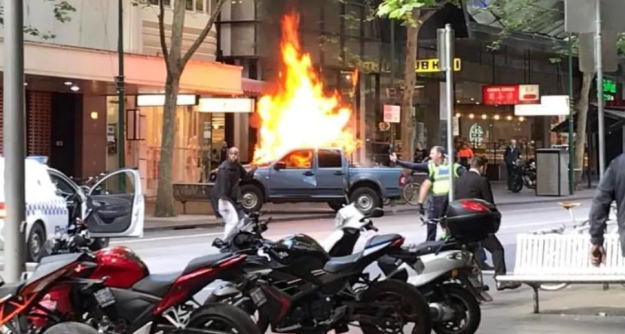
Attack in Melbourne, Australia, 9 November 2018 (image source)
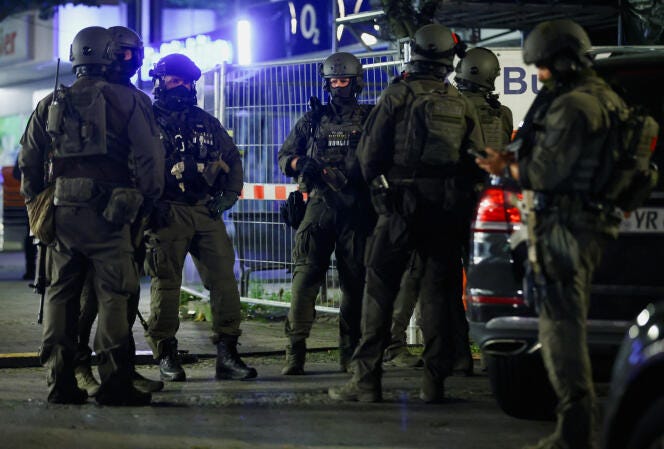
In the latest edition of its newsletter, the Islamic State (IS) explained how it had some of the terrorist attacks committed in its name around the world, where it had not had prior contact with the killers. Continue reading