By Kyle Orton (@KyleWOrton) on 30 October 2022

By Kyle Orton (@KyleWOrton) on 21 August 2022

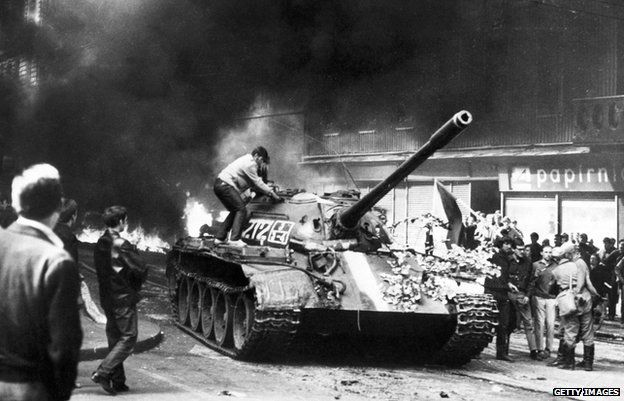
It was on this day in 1968, fifty-four years ago, that the Soviet Union invaded Czechoslovakia, one of its colonies in the “Warsaw Pact”, which had embarked on a program of liberalising reforms. The Czech leadership did not intend to depart from the socialist path, merely to soften its edges—and ran into the brute fact that this was not possible. Continue reading
By Kyle Orton (@KyleWOrton) on 18 June 2022

A U.S. helicopter above the American Embassy in Kabul, 15 August 2021 | AP
By Kyle Orton (@KyleWOrton) on 5 April 2022

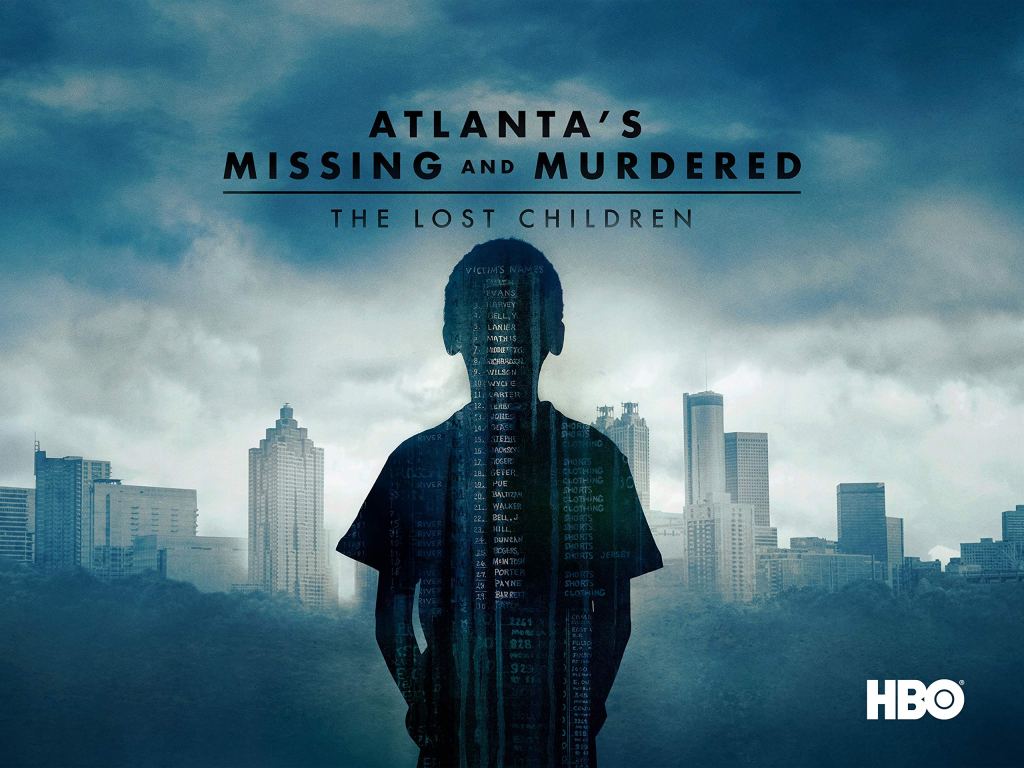
In 2020, HBO produced a miniseries, “Atlanta’s Missing and Murdered: The Lost Children”, about the killing of more than two-dozen black people, most of them male and most of them children, between the summer of 1979 and the summer of 1981, in Atlanta, Georgia. The series has its own themes and slant, which one can take or leave, but it makes a convincing case the legal process that “resolved” the issue was grievously flawed. Continue reading
By Kyle Orton (@KyleWOrton) on 15 January 2022

The Russian Imperial Family: Olga, Maria, Nicholas II, Empress Alexandra, Anastasia, Tsesarevich Alexei, and Tatiana. Taken in Crimea, 1913.
By Kyle Orton (@KyleWOrton) on 19 December 2021
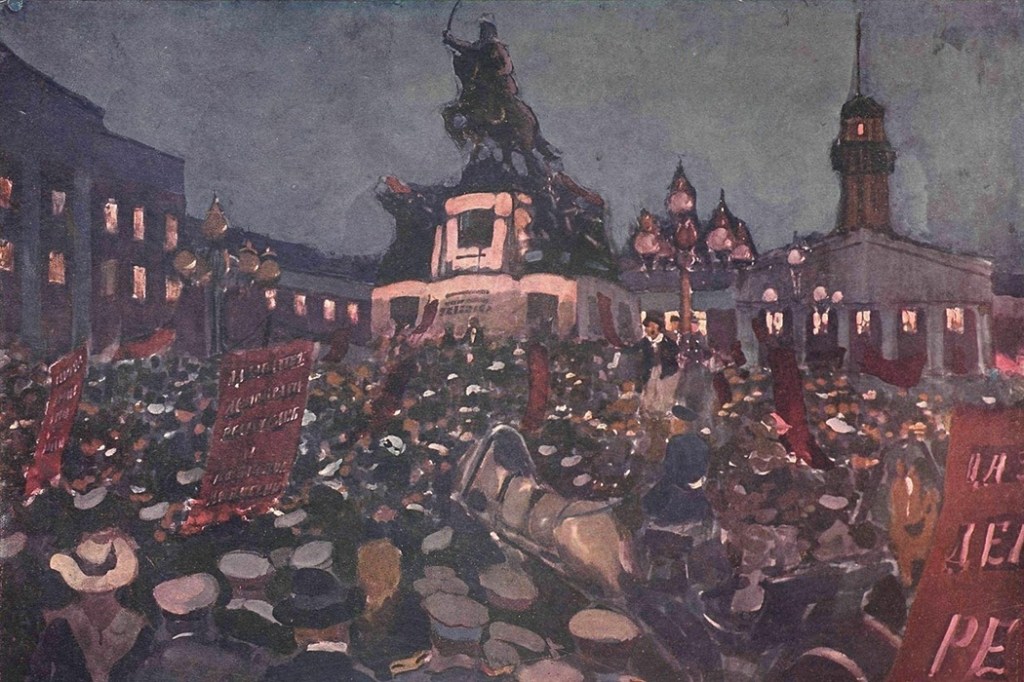
Skobelev Square during the February Revolution, painting by Aleksandr Gerasimov, 1917
The “February Revolution” is so-called because Russia at the time was on the Julian (Old Style (O.S.)) calendar. By the Gregorian (New Style (N.S.)) calendar, which Russia adopted in February 1918, these events take place in March 1917. And momentous events they were, leading to the abdication of the last Tsar, the end of a monarchy and an entire system of power and authority that dated back more than 350 years. For eight months in 1917, Russia struggled to extend the constitutionalist reforms that had begun under the Tsardom within a more liberal framework. The liberals never did gain the upper hand over the radicals, not even after the September 1917 de facto return to autocracy. In November 1917, a coup by the most extreme Leftist faction, the Bolsheviks, terminated the experiment, burying for seven decades even the aspirations in Russia for liberalism and democracy. Continue reading
By Kyle Orton (@KyleWOrton) on 20 August 2021

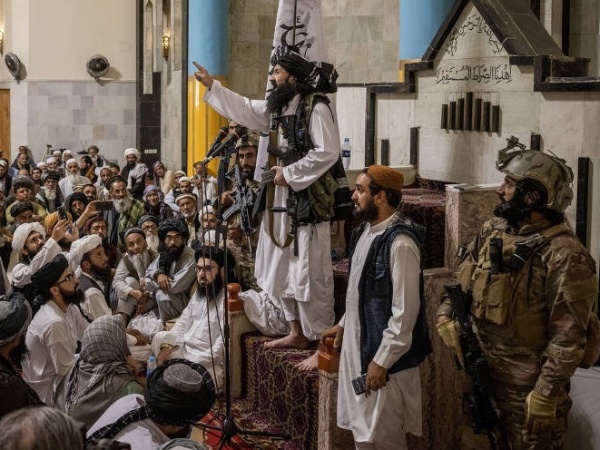
Khalil Haqqani, a senior Taliban leader and simultaneously a leader of Al-Qaeda’s Haqqani Network, leads Friday prayers at the Pul-i-Khishti, the largest mosque in Kabul, 20 August 2021
When the Taliban swept into the capital of Afghanistan on Sunday, little of the coverage focused on Pakistan and yet that was where this victory was made. This is a pattern that has persisted throughout the war. Continue reading
By Kyle Orton (@KyleWOrton) on 9 August 2021

After the post looking at the relationship of Reuben Falber and the Communist Party of Great Britain (CPGB) to the Soviet Union—namely the total subservience of the former to the latter—a follow-up was intended on the broader issue of the how the KGB and its predecessors interacted with the “fraternal” Parties around the world. Eighteen months later, this is that post. Let’s blame COVID.
The accusation that the Communist Parties around the world were fronts for the KGB was often derided as “McCarthyism” while the Cold War was going on. Arguments about that term in general to one side,[1] it certainly did not apply in this case. The accusations as stated were entirely factual. Continue reading