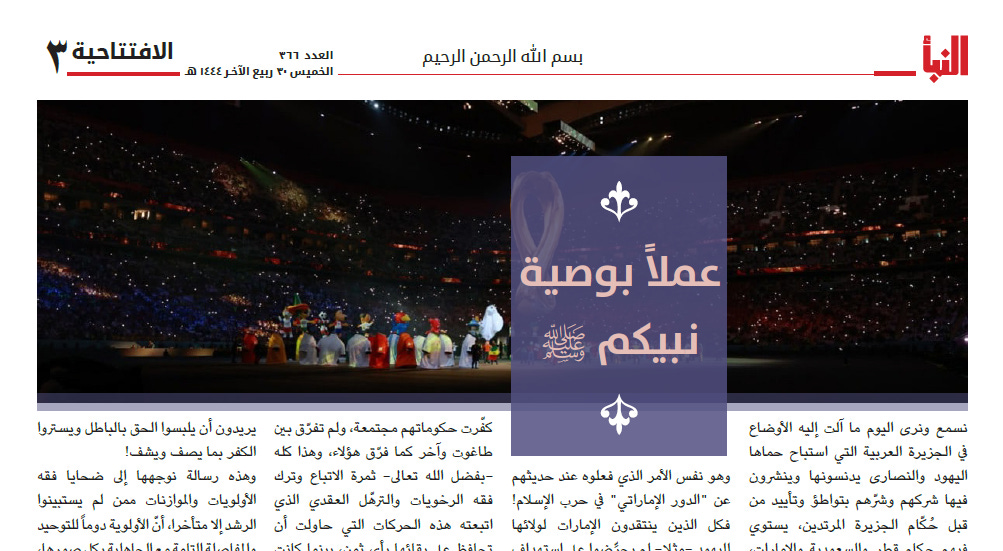
By Kyle Orton (@KyleWOrton) on 31 May 2024
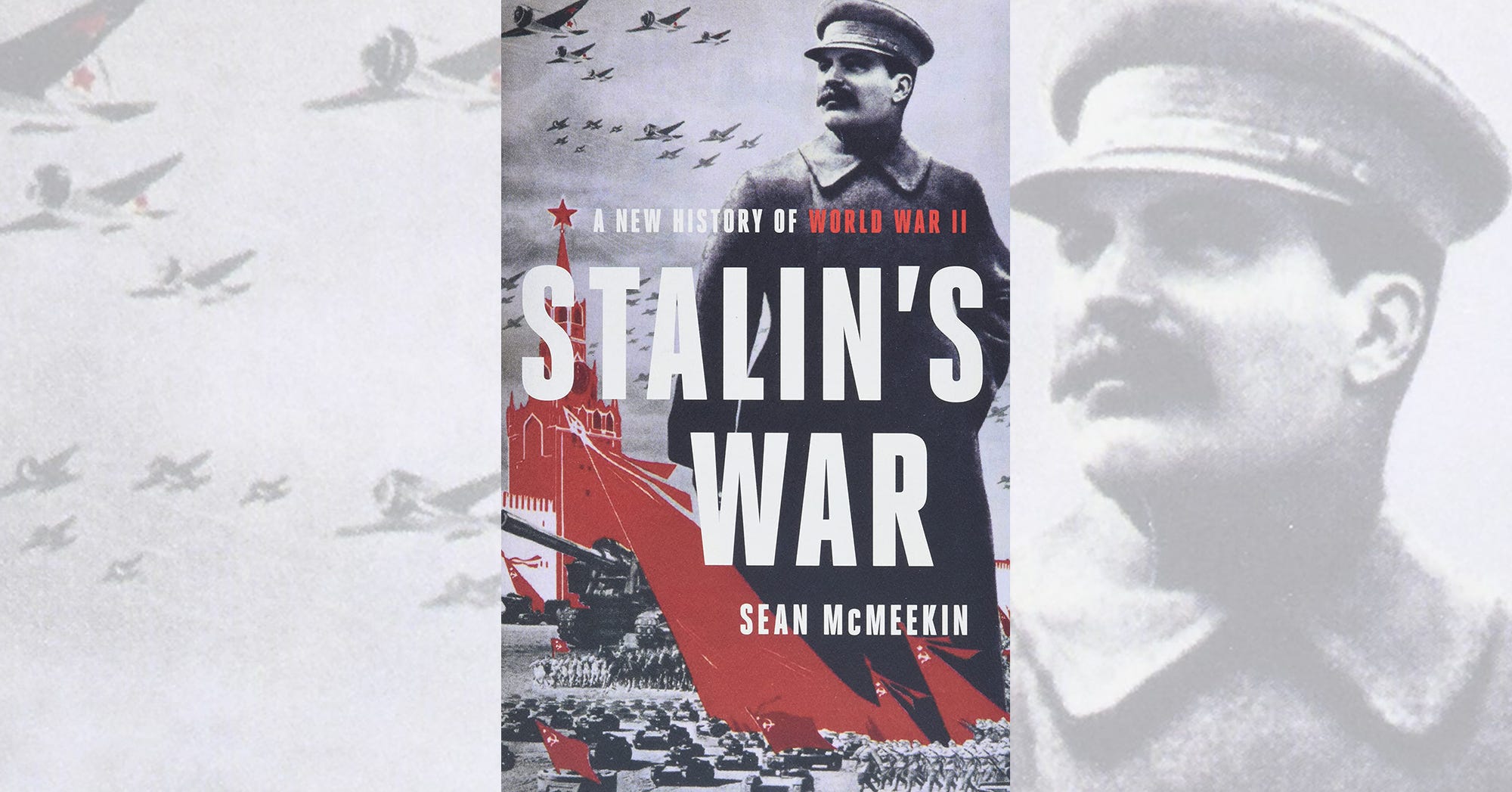
By Kyle Orton (@KyleWOrton) on 1 November 2022
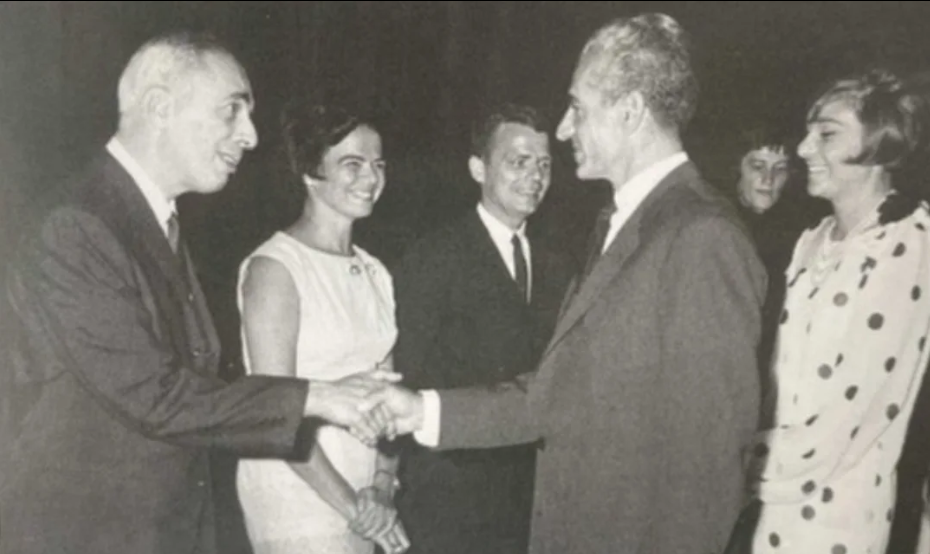
The late Bernard Lewis recorded in his memoir, Notes on a Century: Reflections of A Middle East Historian (2012), meeting the Shah of Iran “a year before” the Islamic Revolution that felled him, thus, some time in early 1978:
By Kyle Orton (@KyleWOrton) on 8 December 2021
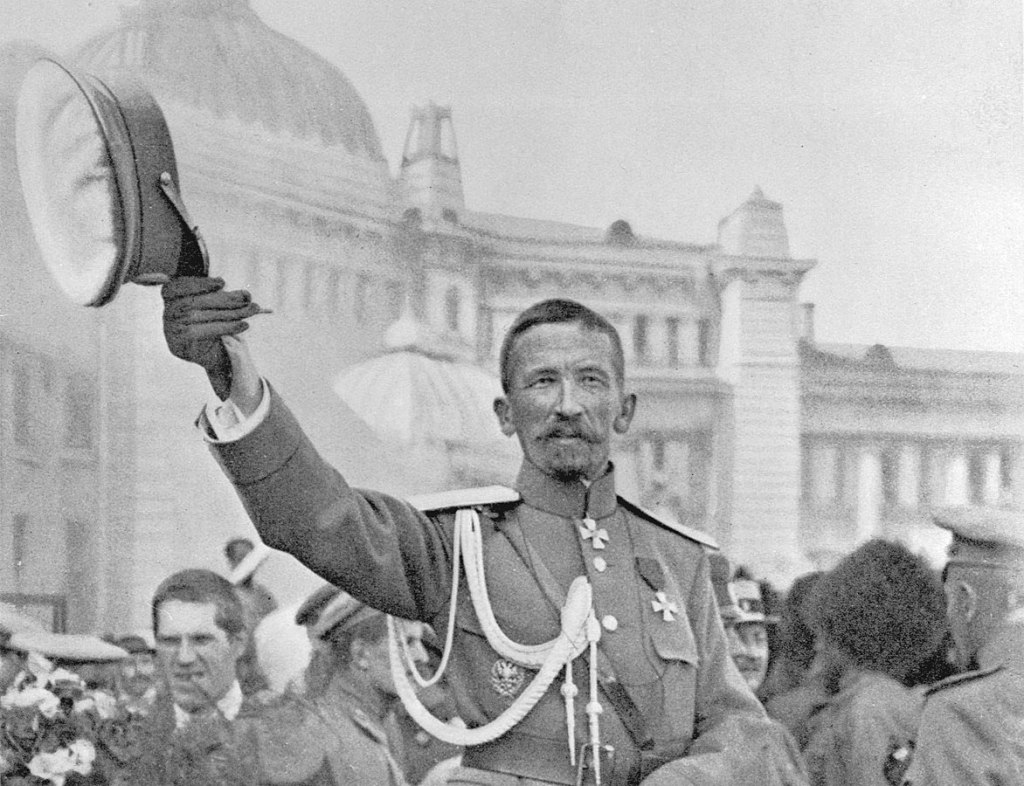
General Lavr Kornilov, 27 August 1917
The final key event on the road to the Bolshevik takeover of Russia in November 1917 was the “Kornilov Affair” that took place about two months earlier. Alexander Kerensky had become Prime Minister of the Provisional Government in July 1917 and around the same time General Lavr Kornilov had become Commander-in-Chief. A lot of accounts portray the “Kornilov Affair” as a “reactionary” coup attempt by Kornilov against Kerensky. The reality is very nearly the exact opposite. As historian Robert Pipes summarises: “All the available evidence, rather, points to a ‘Kerensky plot’ engineered to discredit the general as the ringleader of an imaginary but widely anticipated counterrevolution, the suppression of which would elevate the Prime Minister to a position of unrivaled popularity and power, enabling him to meet the growing threat from the Bolsheviks.”[1] Continue reading
By Kyle Orton (@KyleWOrton) on 19 March 2021
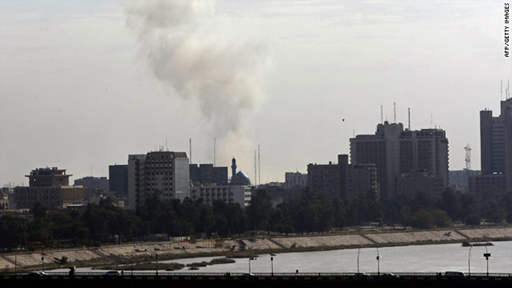
Hamid al-Zawi, the leader of the Islamic State movement from 2006 to 2010, known only as Abu Umar al-Baghdadi during his lifetime, gave a speech on 19 March 2010 entitled, “The Soldiers’ Sermon for the Axe of al-Khalil Campaign” (Khutba al-Jund bi-Hamlat Fa’s al-Khalil). It was Al-Zawi’s twenty-second and, as it turned out, penultimate speech. Al-Zawi was killed almost exactly a month later, on 18 April 2010, alongside his deputy and “war minister”, Abd al-Munim al-Badawi (Abu Hamza al-Muhajir). A translation of the speech is published below.
By Kyle Orton (@KyleWOrton) on 13 January 2021
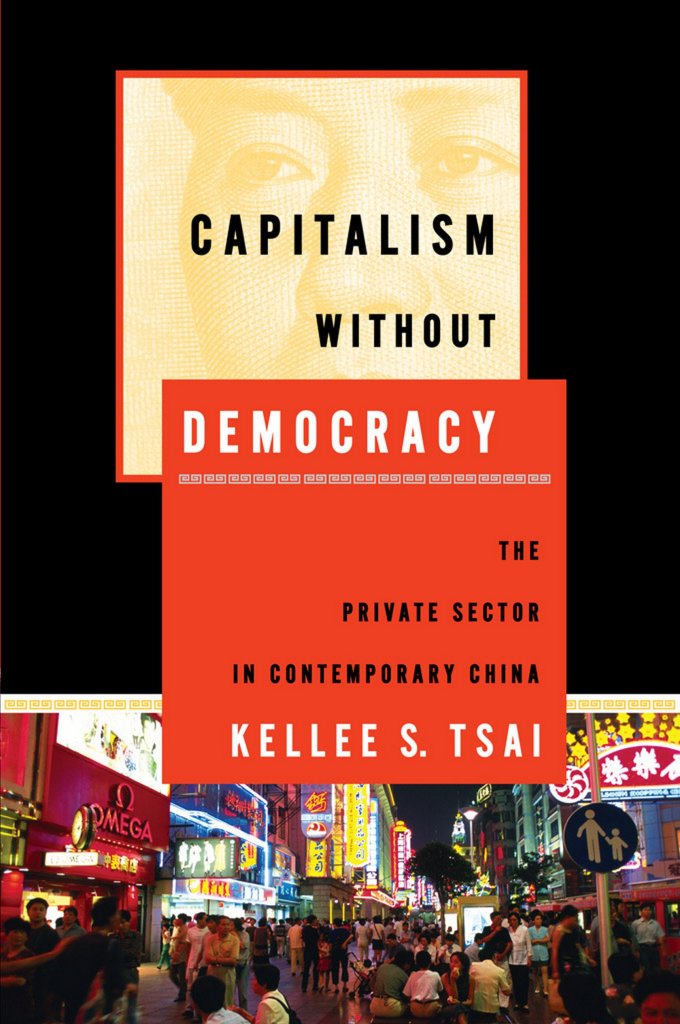
Kellee Tsai’s Capitalism without Democracy: The Private Sector in Contemporary China (2007) is essentially an economic history of China since the Communist takeover. It is rich in sociological and every other kind of data, all very accessibly presented. A broader takeaway from the book, however, is that a transition to democracy, especially liberal democracy, is unlikely in China on a timescale that is relevant to most of us. Continue reading
By Kyle Orton (@KyleWOrton) on 9 March 2019
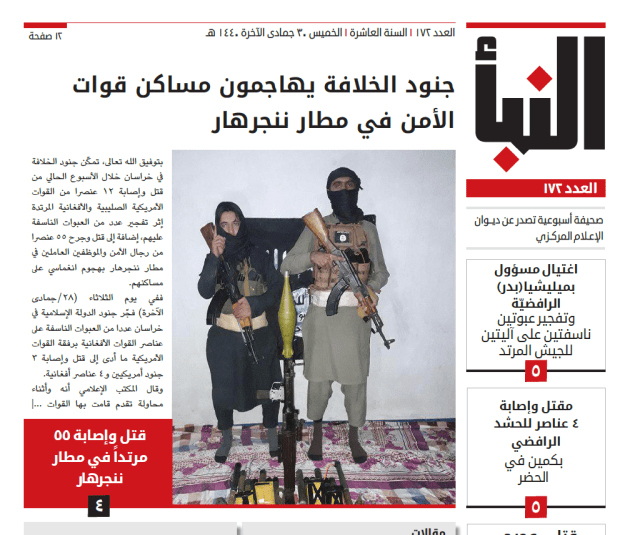
Al-Naba 172 front page
The Islamic State (IS) released the 172nd edition of Al-Naba, its newsletter, on 7 March 2019. Continue reading