By Kyle Orton (@KyleWOrton) on 31 July 2023

By Kyle Orton (@KyleWOrton) on 20 June 2023
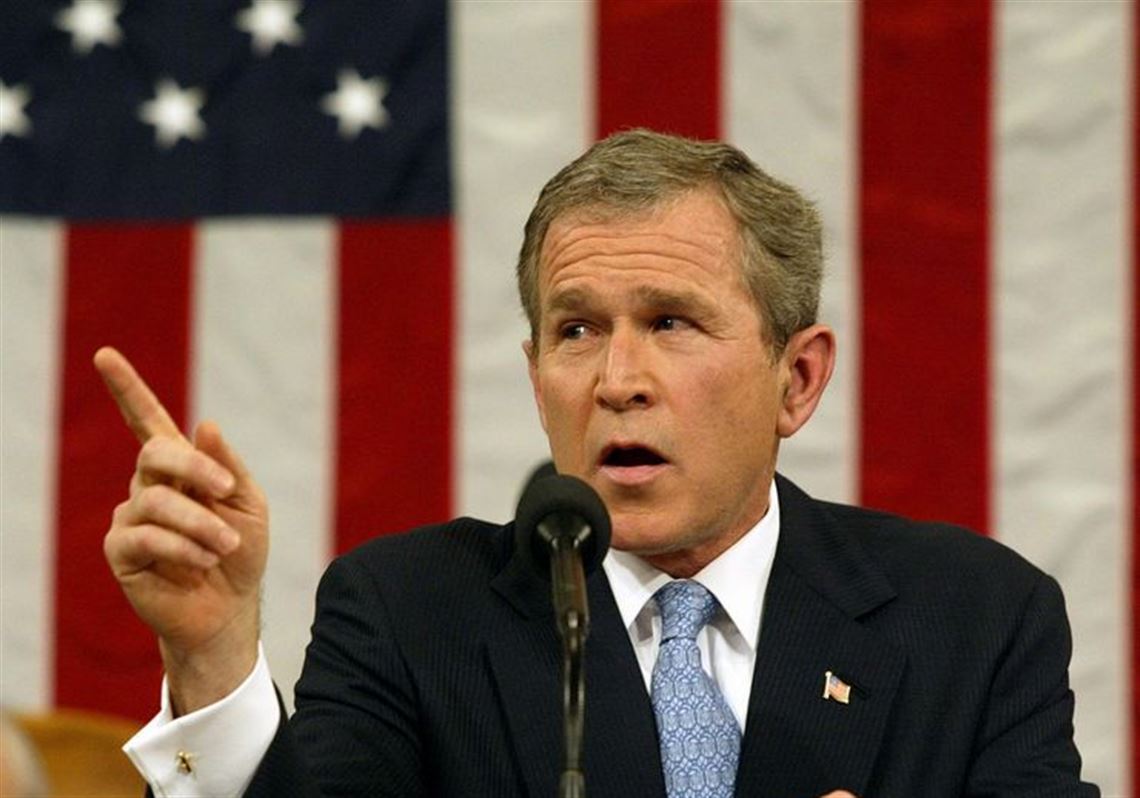
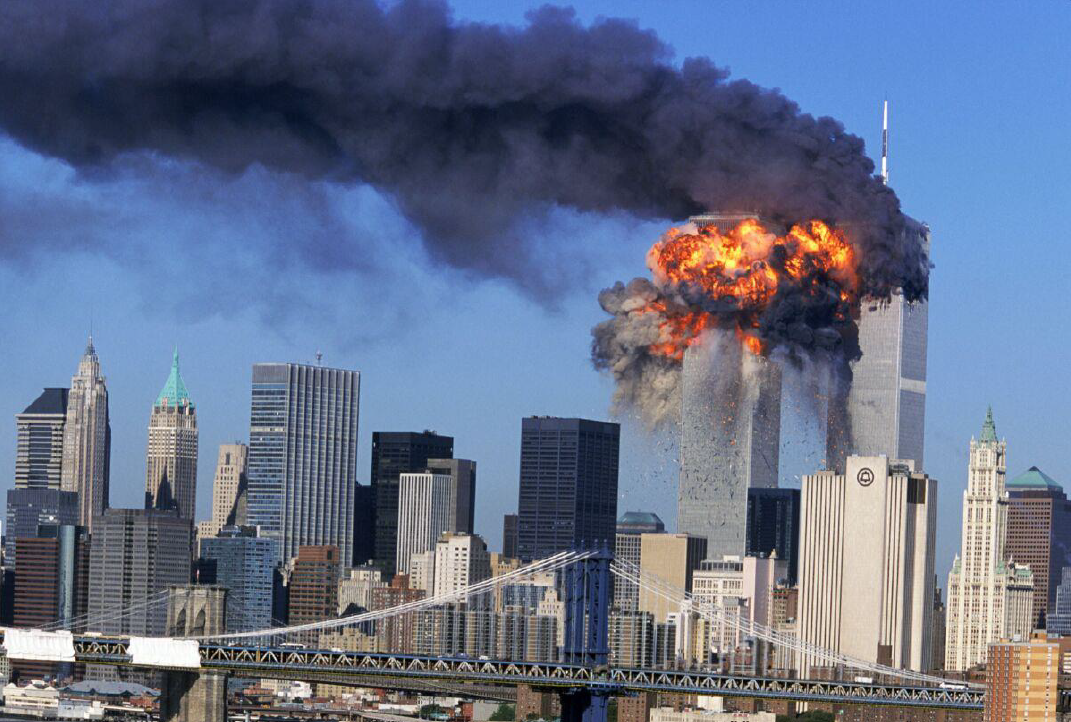
President George W. Bush said in his first State of the Union speech after 9/11, on 29 January 2002:
Our nation will continue to be steadfast, and patient and persistent in the pursuit of two great objectives. First, we will shut down terrorist camps, disrupt terrorist plans and bring terrorists to justice. … Our second goal is to prevent regimes that sponsor terror from threatening America or our friends and allies with weapons of mass destruction. …
North Korea is a regime arming with missiles and weapons of mass destruction, while starving its citizens. Iran aggressively pursues these weapons and exports terror, while an unelected few repress the Iranian people’s hope for freedom. Iraq continues to flaunt its hostility toward America and to support terror. … This is a regime that has already used poison gas to murder thousands of its own citizens …
States like these, and their terrorist allies, constitute an axis of evil, arming to threaten the peace of the world.
By Kyle Orton (@KyleWOrton) on 3 July 2022

An IRA parade in Belfast || Image source
By Kyle Orton (@KyleWOrton) on 29 June 2021
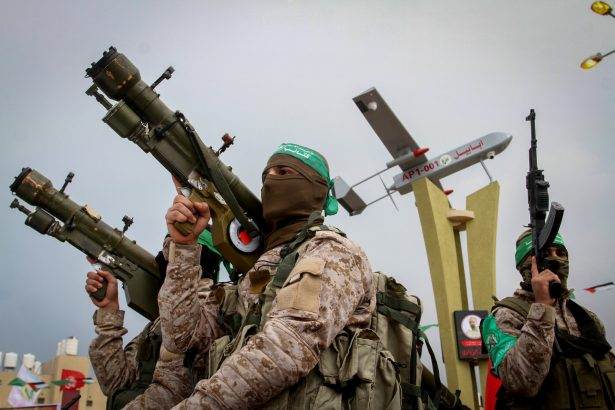
Members of the Ezzedine al-Qassam Brigades, the military wing of Hamas, at a memorial in Gaza, 31 January 2017. Photo by Abed Rahim Khatib, Flash90.
The May 2021 round of fighting in Gaza brought with it the upending of the unspoken understanding between Israel and Hamas and a level of intercommunal violence within Israel that has not been seen in quite some time. The scale of the rocket attacks on the Jewish state must also be counted among the unusual elements of this latest flare-up, with Iran clearly identifiable as the enabling state behind Hamas and Palestinian Islamic Jihad (PIJ), the two primary factions behind these attacks. Continue reading
By Kyle Orton (@KyleWOrton) on 8 June 2021

Massive explosion at Khojir in eastern Tehran lights up the night sky, 25 June 2021 [image source]


 Kyle Orton's Blog