By Kyle Orton (@KyleWOrton) on 12 October 2021

Iranian protesters burn an effigy of the Shah outside the American Embassy, 1979 [source]
By Kyle Orton (@KyleWOrton) on 12 October 2021
Iranian protesters burn an effigy of the Shah outside the American Embassy, 1979 [source]
By Kyle Orton (@KyleWOrton) on 12 June 2021

A painting representing the Byzantines use of “Greek fire” to repel the Arab siege of Constantinople, 674-78
The use of the word “Byzantium” for the Eastern Roman Empire is inescapable, though it is best thought of as a term of convenience rather than definition. For one thing, the inhabitants never called themselves “Byzantines”: they always thought of themselves as “Romans”, though using the Greek work “Romaioi”. The easiest way to see the problem is to ask: When did the Byzantine Empire begin? Continue reading
By Kyle Orton (@KyleWOrton) on 5 April 2021
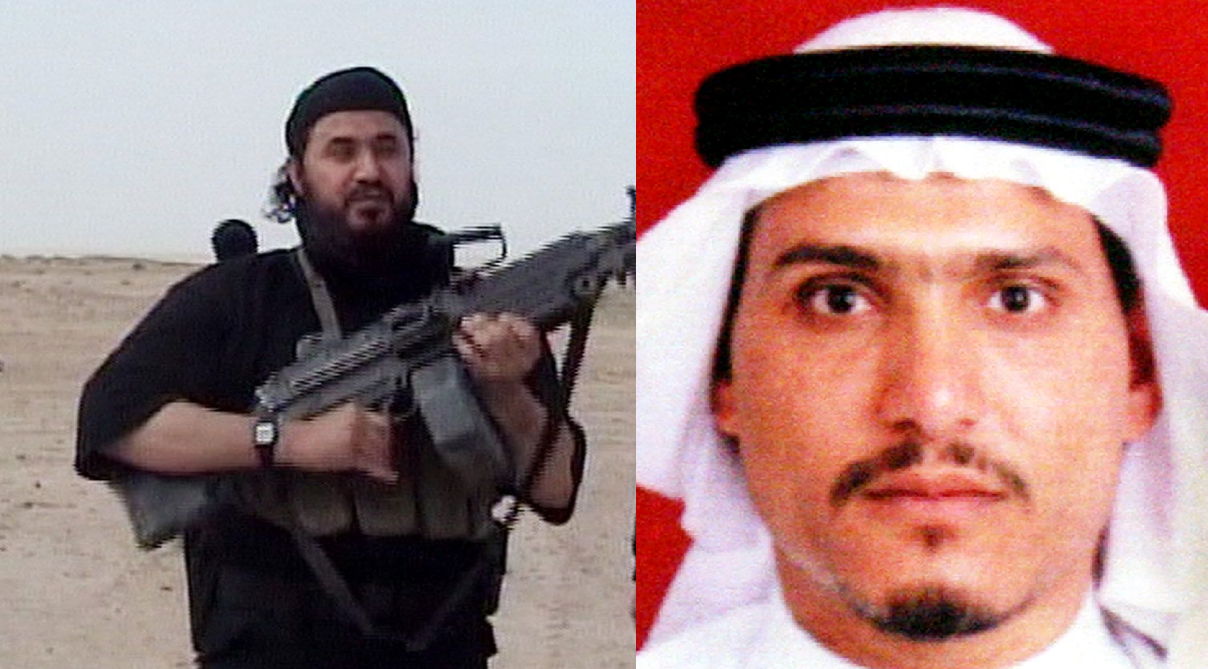
Ahmad al-Khalayleh (Abu Musab al-Zarqawi), the infamous founder of the Islamic State movement, known at the time as Al-Qaeda in Iraq (AQI) and formerly part of the Mujahideen Shura Council (MSC), was killed on 7 June 2006. Zarqawi’s successor was officially announced five days later, in a written statement released on 12 June, as Abu Hamza al-Muhajir, an Egyptian with a long history in and around Al-Qaeda. The next day, 13 June 2006, Abu Hamza gave his first speech as AQI emir, entitled, “The Gathering Will Be Defeated and They Will Turn Their Backs [in Retreat]”, drawn from an ayat of the Qur’an (54:45). The statement and the speech are translated below.
By Kyle Orton (@KyleWOrton) on 21 March 2021
Almost exactly a year ago, the British government announced the first lockdown to counter the effects of the coronavirus pandemic, and around the same time such measures were adopted in almost every other country. With Britain having now vaccinated nearly half the country, including all of the most vulnerable, and Prime Minister Boris Johnson having set out a timetable for the lifting of restrictions, it is possible to think of the post-COVID 19 situation and to wonder about how or if it will be different to what came before. Continue reading
By Kyle Orton (@KyleWOrton) on 19 March 2021
Hamid al-Zawi, the leader of the Islamic State movement from 2006 to 2010, known only as Abu Umar al-Baghdadi during his lifetime, gave a speech on 19 March 2010 entitled, “The Soldiers’ Sermon for the Axe of al-Khalil Campaign” (Khutba al-Jund bi-Hamlat Fa’s al-Khalil). It was Al-Zawi’s twenty-second and, as it turned out, penultimate speech. Al-Zawi was killed almost exactly a month later, on 18 April 2010, alongside his deputy and “war minister”, Abd al-Munim al-Badawi (Abu Hamza al-Muhajir). A translation of the speech is published below.
By Kyle Orton (@KyleWOrton) on 21 February 2021
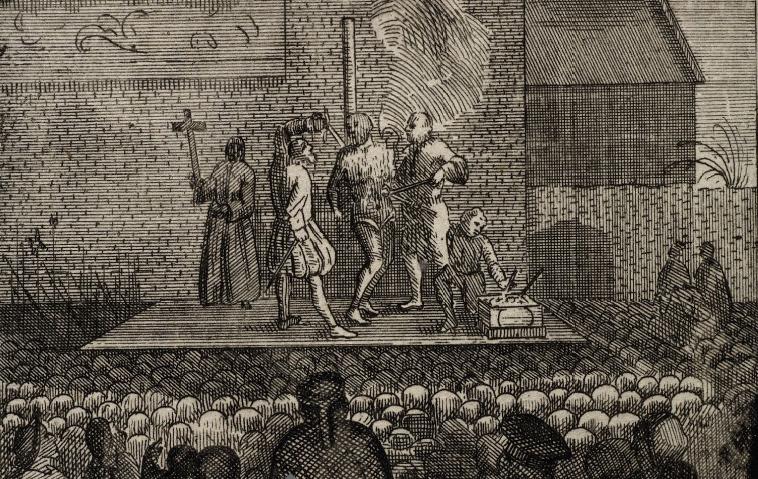
Execution of Jan Beuckelszoon // Illustration in a book by Lambertus Hortensius
In 1534, shortly after the onset of the Protestant Reformation, a radical sect from this new movement, the Anabaptists, seized the city of Munster in Germany and governed it for sixteen months as a millenarian cult in a manner so alarming it managed to bring together Catholic and Lutheran forces to put it down. The experience had a profound influence not only on the development of Anabaptism thereafter, but on the manner in which the Reformation more generally unfolded. Continue reading
By Kyle Orton (@KyleWOrton) on October 4, 2020
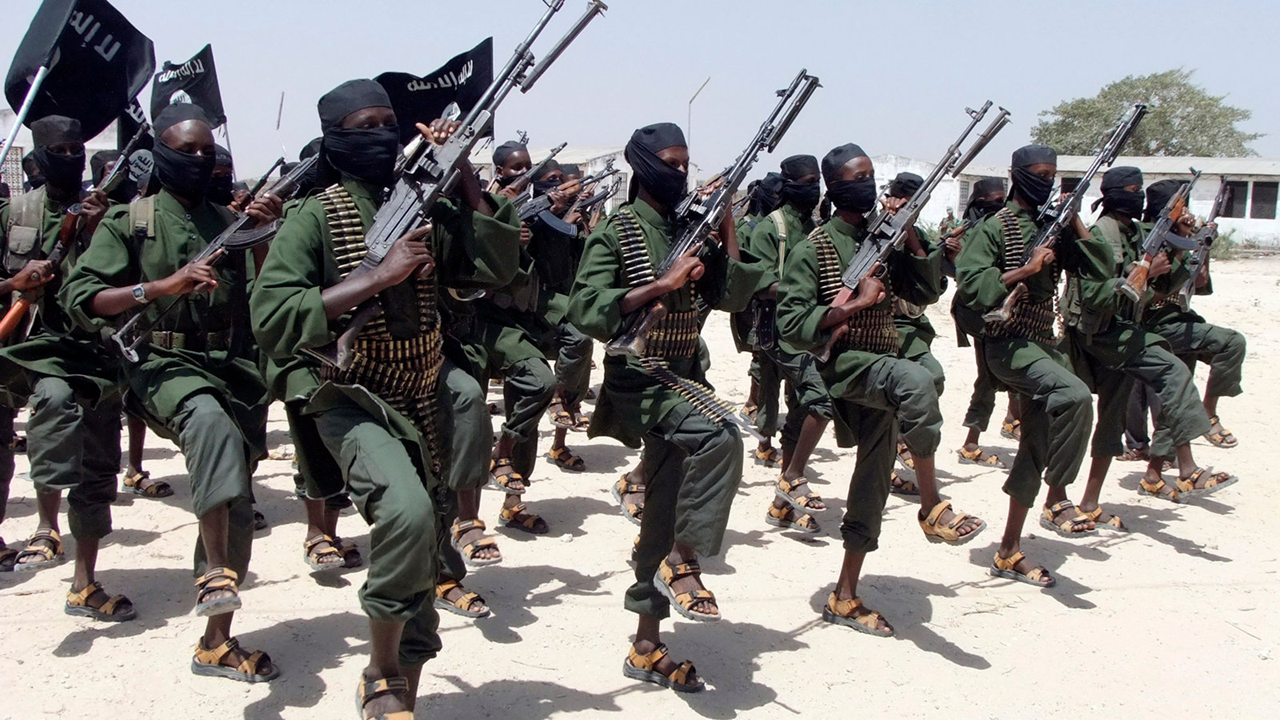
A chapter about Al-Qaeda I wrote for the American Foreign Policy Council’s (AFPC) ‘World Almanac of Islamism’ was published today. Do check it out, and the broader site, which is a great, accessible resource. The format of the website necessitated that the chapter as I submitted it was edited, condensed, and split up to fill out the various categories. In case it is of any interest, the original version of the chapter is reproduced below.
By Kyle Orton (@KyleWOrton) on 29 June 2020
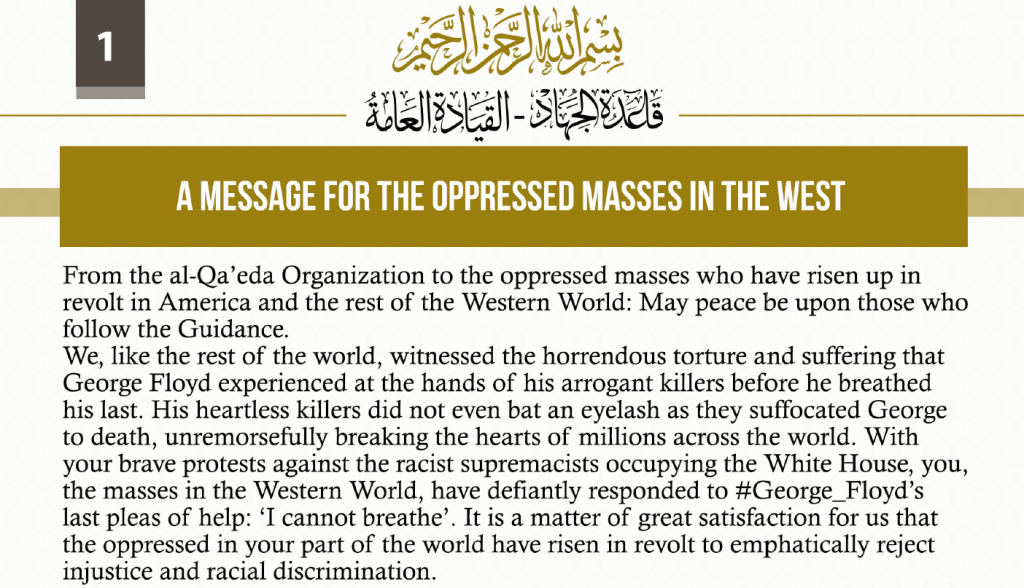
Al-Qaeda’s General Command released a statement on 29 June 2020 through its As-Sahab Media, entitled, “A Message For The Oppressed Masses In The West”, which seeks to capitalise on the recent unrest in the United States by offering Islam as the solution to racial divisions. Al-Qaeda, of course, diagnoses the root cause of America’s problems in its greed “Jewish overlords”, an antisemitic conspiracy theory that is common to most jihadists. The text of this message is reproduced below. Continue reading
By Kyle Orton (@KyleWOrton) on 26 May 2020
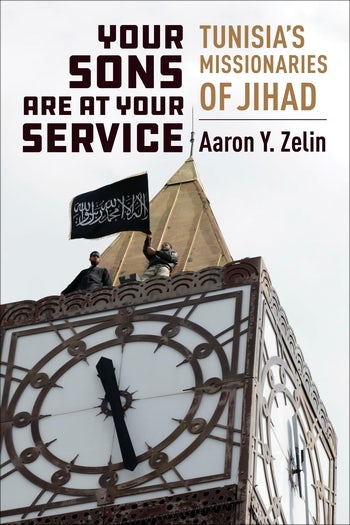
Early in his new book, Your Sons Are At Your Service: Tunisia’s Missionaries of Jihad, The Washington Institute’s Aaron Zelin quotes a pair of sociologists who note that ‘where theories are plentiful … ideas are vacuous’. The book is in many ways the antithesis of this approach. It is not without theoretical content; where social movement theory arises as a means of understanding jihadism, say, the author gives an overview of the literature to contextualise it for the reader. But the general approach is historical, empirical, and detail-rich, so that by the time Zelin summarises his findings in the various sections there can be no doubt about the evidentiary basis. Continue reading
By Kyle Orton (@KyleWOrton) on 22 December 2019
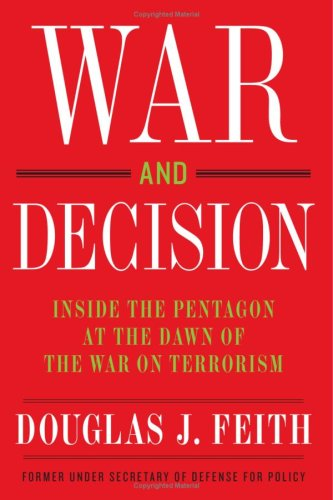
Douglas Feith was the U.S. Under Secretary of Defense for Policy from 2001 to 2005, one of the most senior positions at the Pentagon during one of the most consequential periods in recent history, covering the 11 September 2001 atrocities and early phase of the U.S.-led response. Feith later wrote a highly illuminating memoir, War and Decision: Inside the Pentagon at the Dawn of the War on Terrorism, which tried to drain some of the hysteria out of the public “debate” about the Iraq dimension of the U.S. policy in particular by explaining the internal arguments in the Bush administration leading up to the decision to finish with Saddam Husayn in 2003, and trying to set those arguments in their proper historical context, both in relation to Iraq—where “the war” had begun twelve years earlier—and the altered American threat perceptions in the shadow of 9/11. Unlike a lot of the gossipy tomes that emerged from former officials, Feith’s book is notably light on opinion and contains reams of declassified documents so readers can check his analysis against the source material. One of Feith’s key judgments is that “the chief mistake was maintaining an occupation government in Iraq for over a year”.[1] As Feith explains in great detail in the book, this was never supposed to happen. So how did it?
 Kyle Orton's Blog