Tag Archives: Islamic State

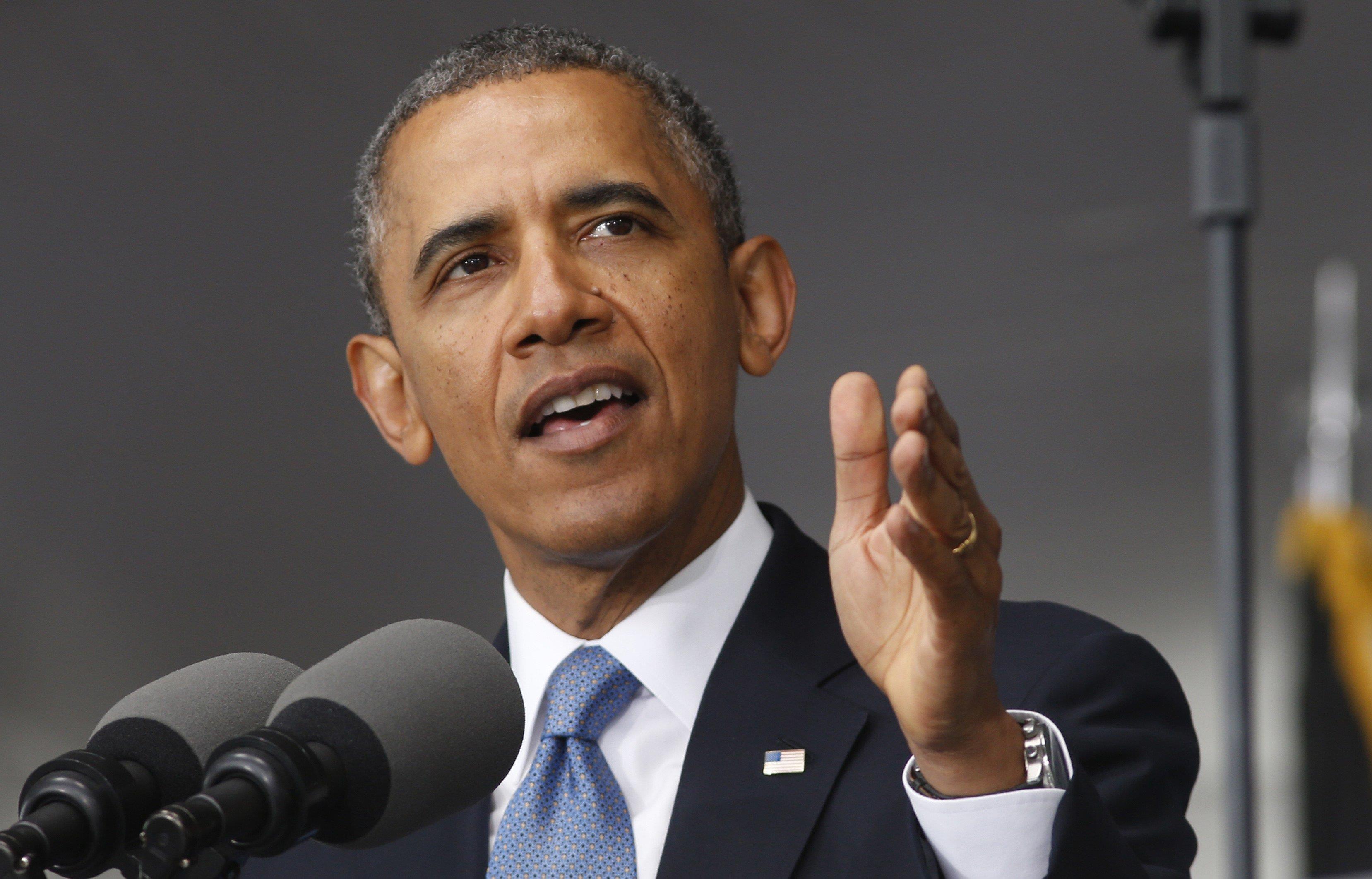
Obama’s National Security Strategy

By Kyle Orton (@KyleWOrton) on February 14, 2015
1

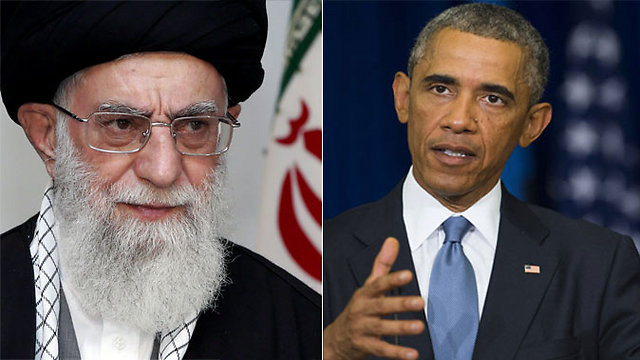
The National Security Strategy is never a riveting read, and the NSS put out by the Obama administration on Feb. 6, only their second (the last in May 2010), was no exception. “Strategic patience” was the mantra with which this NSS was launched, to fairly wide derision as a rationalisation of the last six years of hesitancy and retrenchment. It was a criticism with some basis in fact. Continue reading

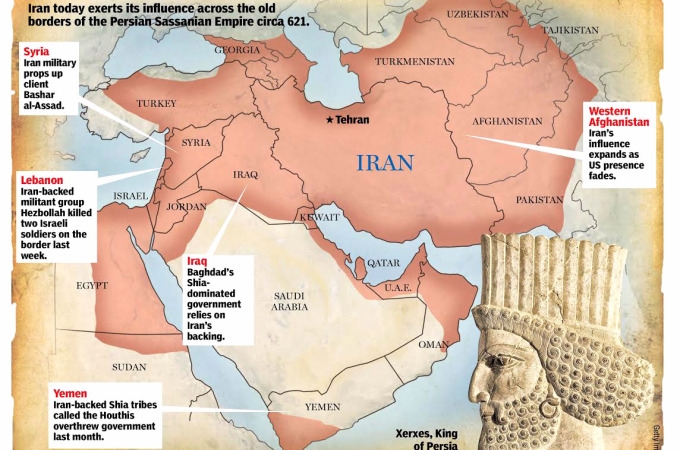
America’s Silent Partnership With Iran And The Contest For Middle Eastern Order: Part Four

By Kyle Orton (@KyleWOrton) on February 10, 2015

1

This is the fourth of a four-part series looking at the United States’ increasingly-evident de facto alliance with Iran in the region. The first part looked at the way this policy has developed since President Obama took office and how it has been applied in Iraq; the second part looked at the policy’s application in Syria; the third part looked at its application in Lebanon, Afghanistan, and Yemen; and this part is a conclusion. Continue reading

ISIS: America’s Alliance with Iran is Hampering the Fight Against Terror

By Kyle Orton (@KyleWOrton) on February 7, 20151

Published at Left Foot Forward

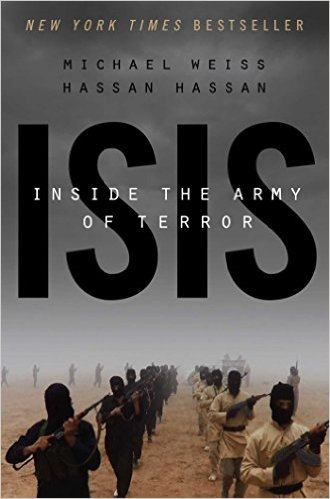
Book Review: ISIS: Inside the Army of Terror (2015) Michael Weiss and Hassan Hassan

ISIS: Inside the Army of Terror, by Michael Weiss and Hassan Hassan, is brilliantly easy to read. Concise yet thorough the book charts the history of a group, “[a]t once sensationalized and underestimated,” that is simultaneously a terrorist organisation, mafia, conventional army, sophisticated intelligence-gathering apparatus, propaganda machine and the remnants of the Saddam Hussein regime which controls an area the size of Britain in the heart of the Middle East. Continue reading

America’s Silent Partnership With Iran And The Contest For Middle Eastern Order: Part Three

By Kyle Orton (@KyleWOrton) on February 3, 2015

1

This is the third of a four-part series looking at the United States’ increasingly-evident de facto alliance with Iran in the region. This first part looked at the way this policy has developed since President Obama took office and how it has been applied in Iraq. The second part looked at the policy’s application in Syria; this part will look at its application in Lebanon, Afghanistan, and Yemen; and part four will be a conclusion. Continue reading

America’s Silent Partnership With Iran And The Contest For Middle Eastern Order: Part Two

By Kyle Orton (@KyleWOrton) on January 29, 2015

Assad meeting with the boss

Assad meeting with the boss

This is the second of a four-part series looking at the United States’ increasingly-evident de facto alliance with Iran in the region. This first part looked at the way this policy has developed since President Obama took office and how it has been applied in Iraq. This part will look at the policy’s application in Syria; part three will look at its application in Lebanon, Afghanistan, and Yemen; and part four will be a conclusion. Continue reading

The Islamic State Officially Expands to Afghanistan

By Kyle Orton (@KyleWOrton) on 26 January 2015

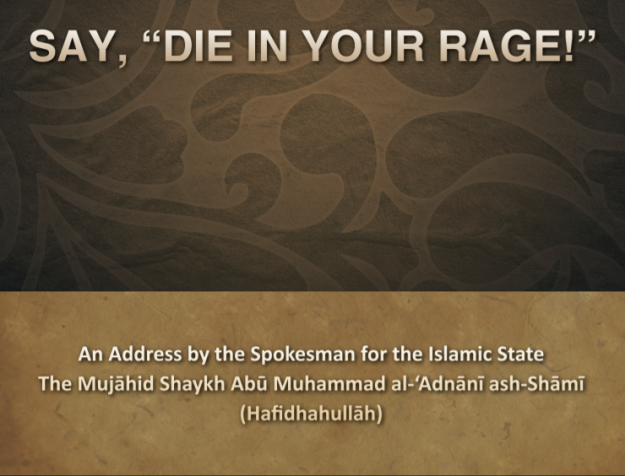
The spokesman of the Islamic State (ISIS), Abu Muhammad al-Adnani, gave a speech today entitled, “Say, ‘Die in Your Rage’,” which is drawn from a Surah of the Qur’an [3:119]. The main announcement from Adnani is the acceptance of another wilayat (province), i.e. foreign branch of IS, this time in Afghanistan, led by Hafiz Saeed Khan, a former Tehrik-i-Taliban Pakistan (TTP) or “Pakistani Taliban” commander who broke away and formed a pro-ISIS faction in October. This follows the first declaration on this matter a month ago by IS’s caliph, Abu Bakr al-Baghdadi, which accepted “provinces” from Saudi Arabia, Yemen, Egypt, Libya, and Algeria. Adnani went on to make the foredoomed request that the Afghan jihadists “abandon disunity and factionalism” in order to join ISIS. Continue reading

America’s Silent Partnership With Iran And The Contest For Middle Eastern Order: Part One

By Kyle Orton (@KyleWOrton) on January 25, 2015

1

This is the first of a four-part series looking at the United States’ increasingly-evident de facto alliance with Iran in the region. This first part looks at the way this policy has developed since President Obama took office and how it has been applied in Iraq. Part two will look at the policy’s application in Syria; part three will look at its application in Lebanon, Afghanistan, and Yemen; and part four will be a conclusion. Continue reading

A Debate On America’s Role In Syria’s Future

By Kyle Orton (@KyleWOrton) on January 21, 2015

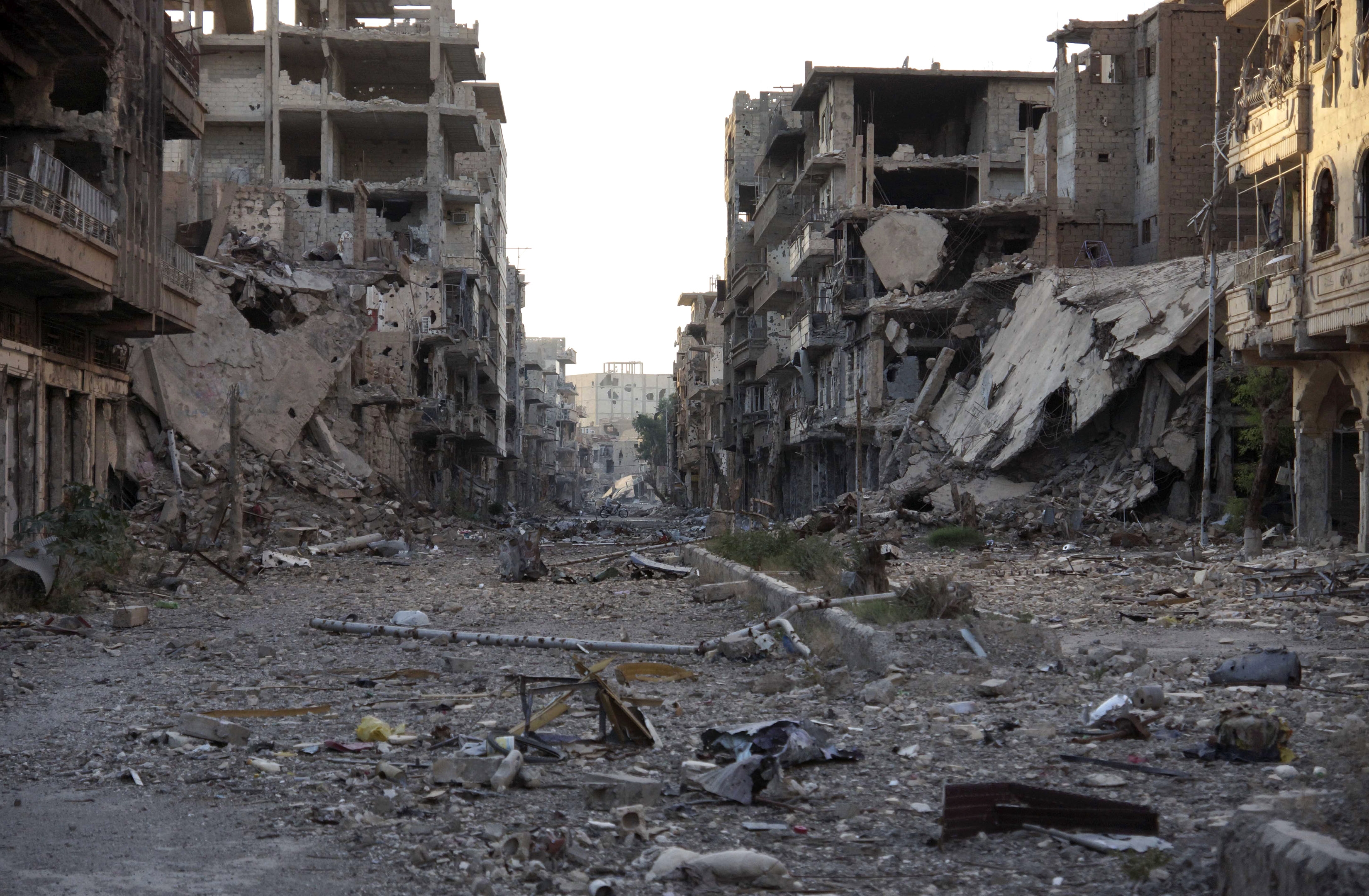
Devastation in Deir Ezzor, June 2013

Devastation in Deir Ezzor, June 2013

The McCain Institute hosted a debate last Thursday on the question, “Syria: Should the United States Do More?” Arguing in favour of the motion that the United States should do more was Michael Doran and Andrew Tabler. Arguing against were Joshua Landis and Aaron David Miller. Continue reading

The Long History of Middle Eastern State-Terrorism In Paris

By Kyle Orton (@KyleWOrton) on January 19, 2015

Said Kouachi and Cherif Kouachi

Last week, Lee Smith wrote of the reasons that it was likely that there was a foreign hand, quite probably that of a State, in the attack on Charlie Hebdo and the Jewish deli in Paris. Smith noted that the French believe that the funding and weapons for the attacks came from abroad. Smith pointed to the historical record, in which terrorism in Paris is typically not carried out because of religion—or not directly: it might come from States that see themselves as god’s representatives on earth—or community grievances, but “because you’re getting paid to stage an operation on behalf of a particular cause or regime.” Smith gave three cases, and they seemed worth expanding on. Continue reading

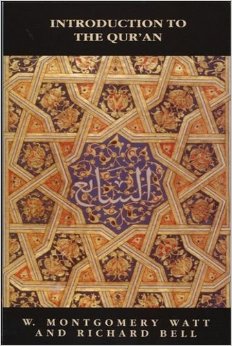
Book Review: Introduction to the Qur’an (1953) by Richard Bell

By Kyle Orton (@KyleWOrton) on January 13, 2015

4

Richard Bell’s Introduction to the Qur’an is, at less than 200 pages, a brief and easily-digestible explanation of the context in which Islam’s “holy” book arose, and the problems of reconciling theological orthodoxy with historical accuracy. More than six decades after publication, the book remains influential in scholarship of the Qur’an. Continue reading