By Kyle Orton (@KyleWOrton) on 4 August 2024
By Kyle Orton (@KyleWOrton) on 30 July 2022

Islamic State in Palmyra, December 2016
By Kyle Orton (@KyleWOrton) on 15 November 2020

Al-Naba 260, page 10
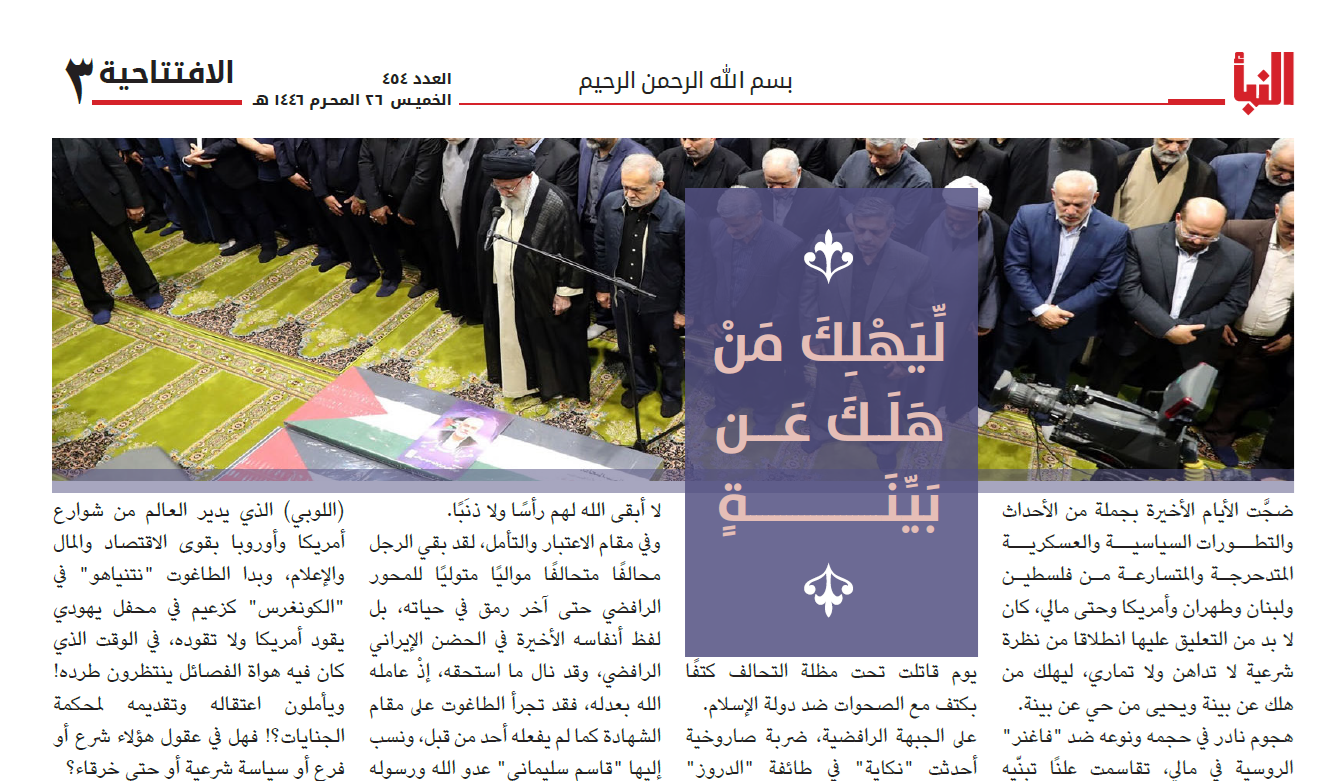
The Islamic State (IS) put out the 260th edition of its newsletter, Al-Naba, on 13 November. Much of the focus was on IS’s war with its jihadi rival, Al-Qaeda, in northern and western Africa. There are reports of guerrilla operations from elsewhere in Africa, from the Centre (in Iraq and Syria), as well as from Egypt and Afghanistan. IS notably feels secure enough in the strength of its networks to draw attention to its responsibility for several attacks in the Turkish-held areas of northern Syria, and there is a rare report of an attack in Indonesia. Al-Naba 260 also has IS’s response to the U.S. Election. Continue reading
By Kyle Orton (@KyleWOrton) on October 4, 2020
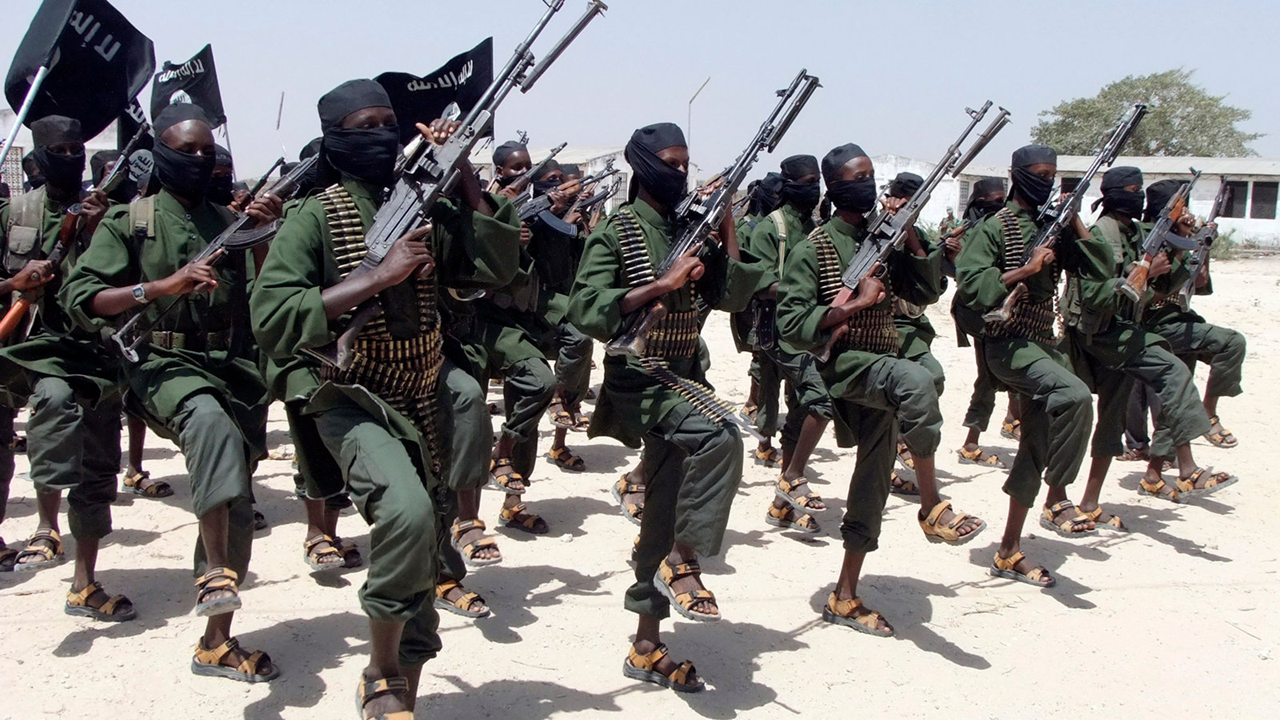
A chapter about Al-Qaeda I wrote for the American Foreign Policy Council’s (AFPC) ‘World Almanac of Islamism’ was published today. Do check it out, and the broader site, which is a great, accessible resource. The format of the website necessitated that the chapter as I submitted it was edited, condensed, and split up to fill out the various categories. In case it is of any interest, the original version of the chapter is reproduced below.
By Kyle Orton (@KyleWOrton) on September 11, 2020
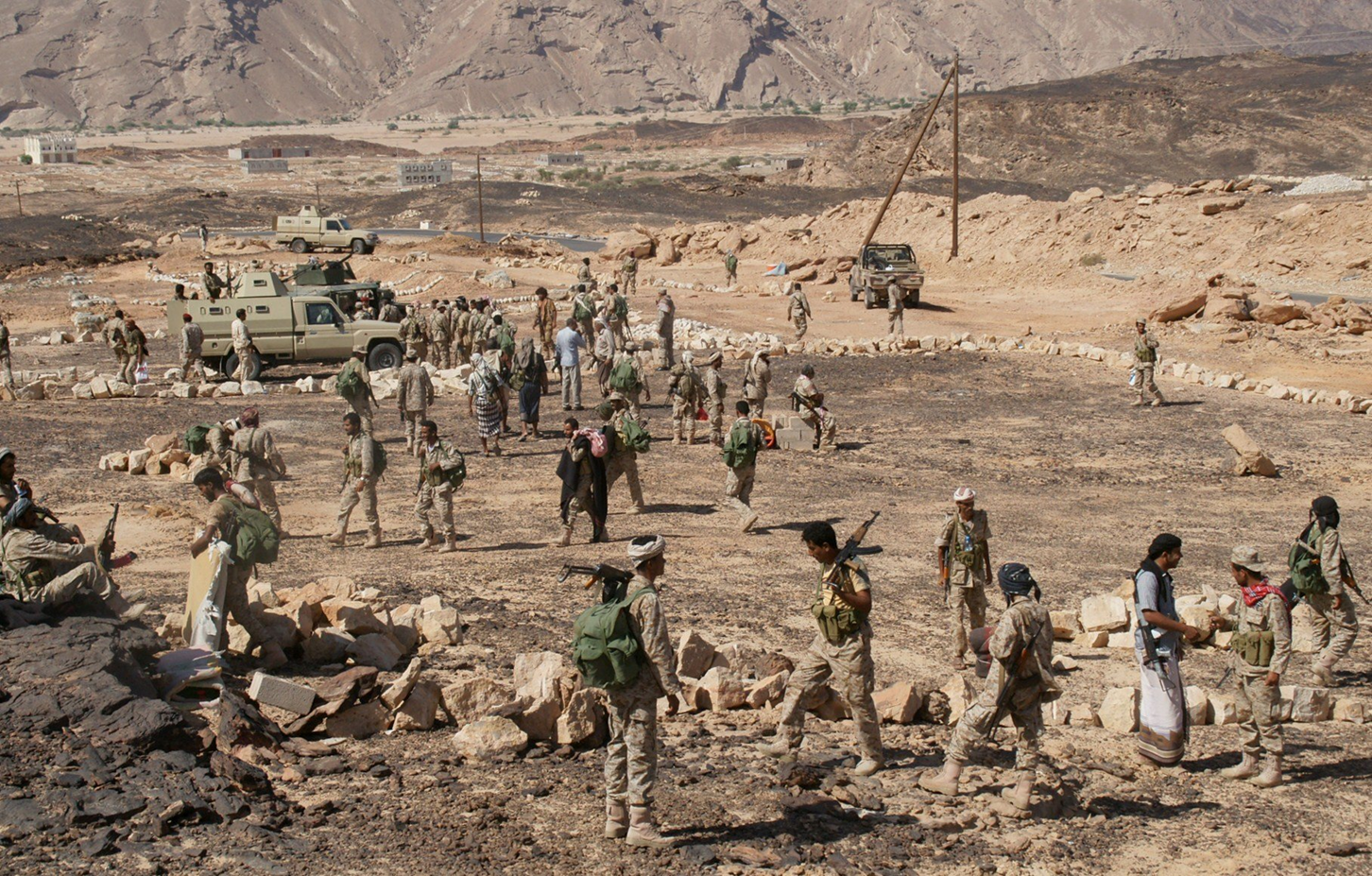
In writing a chapter earlier this year about the current status of Al-Qaeda, part of the process was reviewing the organisation’s history since its formation in the late 1980s. What really struck me was how extensively Al-Qaeda is now manipulated, under the influence of, and in places even controlled by state powers. To mark the nineteenth anniversary of 9/11, I thought I could give a brief sketch of this development.
By Kyle Orton (@KyleWOrton) on 11 June 2020
France announced last Friday that its forces in Mali had killed Abd al-Malek Drukdel (Abu Musab Abd al-Wadud), the emir of Al-Qaeda in the Islamic Maghreb (AQIM), which covers the North Africa and Sahel areas. Paris has sometimes been unreliable on these matters, but the United States independently confirmed Drukdel was gone, as have sources within AQIM. The French also announced that on 19 May they had arrested Mohamed Mrabat, a veteran jihadist and member of the Islamic State in the Greater Sahara (ISGS). Continue readingBy Kyle Orton (@KyleWOrton) on 28 May 2020

After trailing the release yesterday, an audio statement from the Islamic State (IS) spokesman, Abu Hamza al-Qurayshi, was published by Al-Furqan Foundation today. It is entitled, “And the Disbelievers Will Know Who Gets the Good End”, i.e. heaven. The title is taken from a sura of the Qur’an [Ra’d (13):42]. The speech gloated about the damage the coronavirus has done to the West, presenting it as God’s revenge for the Coalition dislodging IS from the cities it had occupied in Iraq, Syria, Libya, and elsewhere. There is the usual focus on anti-IS Sunnis in Iraq and Syria, who are warned that the U.S. is pulling back, thus those who bet on the U.S. for protection need to reassess or they will be killed. The two most significant parts of the speech are: (1) its focus on IS’s expansion in Africa, a visible fact for some time now, and the competition with Al-Qaeda in that area; and (2) the closing few minutes where Abu Hamza agitates against Qatar, a state that IS has never bothered with before in its messaging.
Continue reading
By Kyle Orton (@KyleWOrton) on 12 September 2019
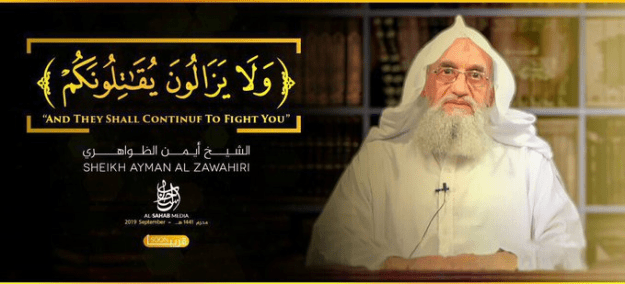
To mark the eighteenth anniversary of the 9/11 massacre, Al-Qaeda’s Al-Sahab media department released a video, “And They Shall Continue to Fight You”. The video, which ran over a half-hour, featured a speech by the group’s emir, Ayman al-Zawahiri, interspersed with other leadership figures.
Much attention has been given to Dr. Al-Zawahiri encouraging attacks on America, his contention that the U.S. has enabled the spread of Iranian power by providing its vicious sectarian militias in Iraq, Syria, and beyond with direct support as part of the war against the Islamic State (ISIS), and his use of the issue of Palestine. There are some indications Al-Qaeda is looking abroad again with its terrorism campaign, but the primary purpose of re-emphasising the justice of attacks on the West seems to be to meet the ideological challenge from ISIS. Behind the veneer of the “far enemy” rhetoric in this speech, Al-Zawahiri was in fact very defensive—particularly about 9/11, Al-Qaeda’s greatest “success”, where he seems stung by the accusation Al-Qaeda murdered innocents—and “near enemy” (regionally) focused. Even the call to attack America suggested attacks on military installations in the Middle East, rather than in America itself. Such attacks would also avoid the issue of civilian casualties, Al-Zawahiri noted.
An English translation was put out of the video of Al-Zawahiri’s speech and a transcript is reproduced below.
Continue reading
By Kyle Orton (@KyleWOrton) on 29 March 2019
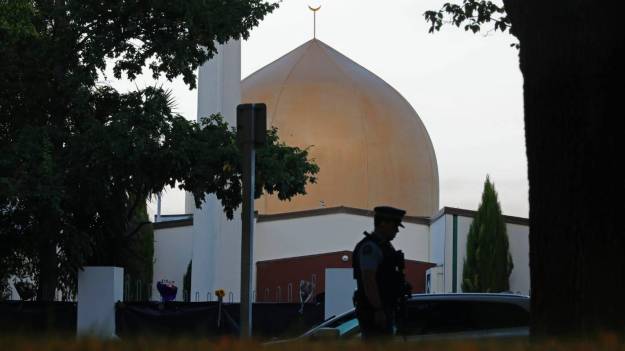
Al-Nur Mosque, Christchurch, New Zealand [image source]

 Kyle Orton's Blog