By Kyle Orton (@KyleWOrton) on 10 February 2024
By Kyle Orton (@KyleWOrton) on 28 December 2019

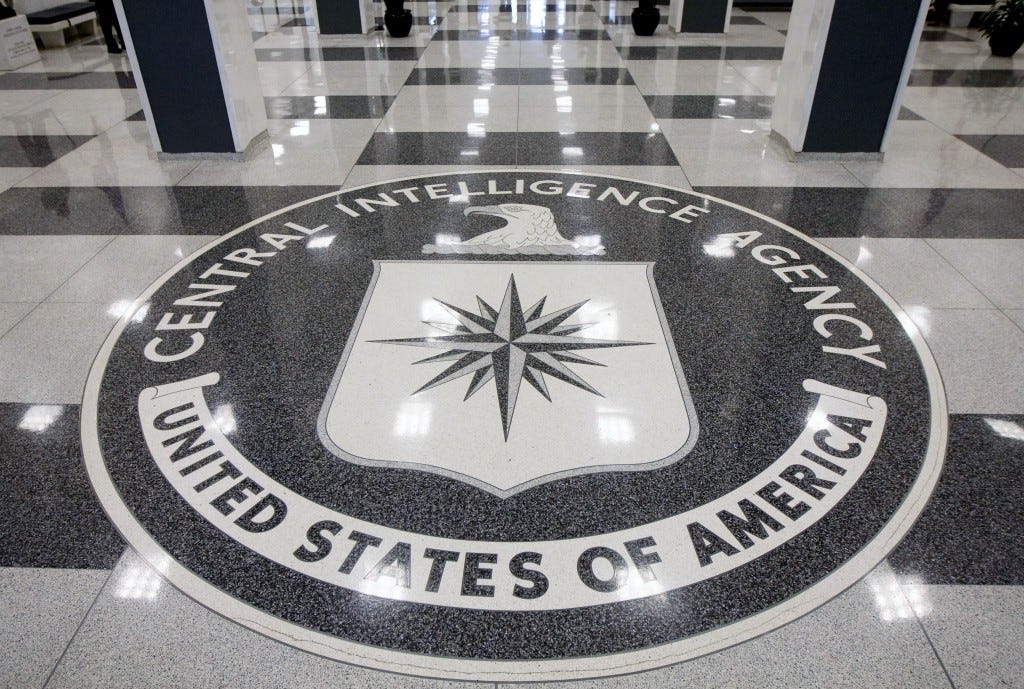
In a long article last week, I looked at why the U.S. ran a formal occupation of Iraq for fourteen months after the fall of Saddam Husayn in April 2003, given that there had been an explicit pre-invasion decision not to have an occupation government. The short answer is that the occupation was installed through deception by the State Department, supported by the Central Intelligence Agency (CIA). State and CIA had argued for a protracted occupation in the Situation Room debates in 2002, but President George W. Bush had sided with the Pentagon, which advocated a rapid transfer of power to Iraqis. Having lost in the formal inter-agency process, the State Department succeeded by subversion in getting its way on the ground in Iraq. The disaster this caused in the mismanagement of post-Saddam Iraq was, as the article explained in detail, only the most serious impact of the toxic schism between State/CIA and the Pentagon, a factor whose import is difficult to overstate when examining how the Bush administration functioned. (This feud also at times drew in the Vice President’s Office, which tended to support the Pentagon.)
By Kyle Orton (@KyleWOrton) on November 29, 2016
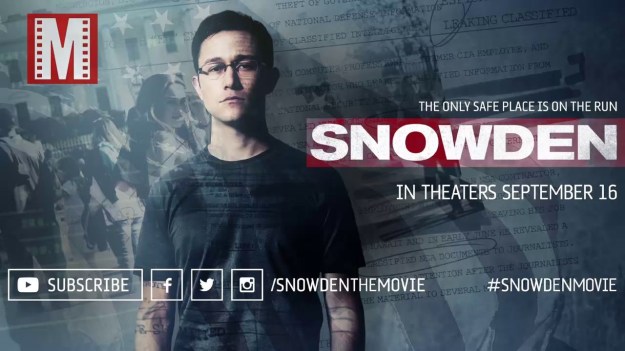
Snowden never, ever recovers from its premise: that Edward Snowden, a super-capable, pure-hearted all-American, found terrible government crimes against the American population while working at the National Security Agency, and was moved to disclose them to the world after being stymied in official channels.
Literally none of that is true. The Snowden revelations found mistakes that were generally cleared up by an efficient and functional bureaucratic oversight mechanism. Snowden did not try to go official channels in the way he described, and the bulk of what Snowden revealed was nothing to do with the privacy of Americans but was related to foreign intelligence, where the legal and practical situation is that everyone hoovers up as much data as they can. The capabilities of the Snowden presented here, personal and professional—to say nothing of Joseph Gordon-Levitt’s Snowden’s motives—would not withstand scrutiny for a single second against the actual historical record. This could be said fairly generally of the whole film. Continue reading
 Kyle Orton's Blog