By Kyle Orton (@KyleWOrton) on 11 January 2025
By Kyle Orton (@KyleWOrton) on 7 November 2019

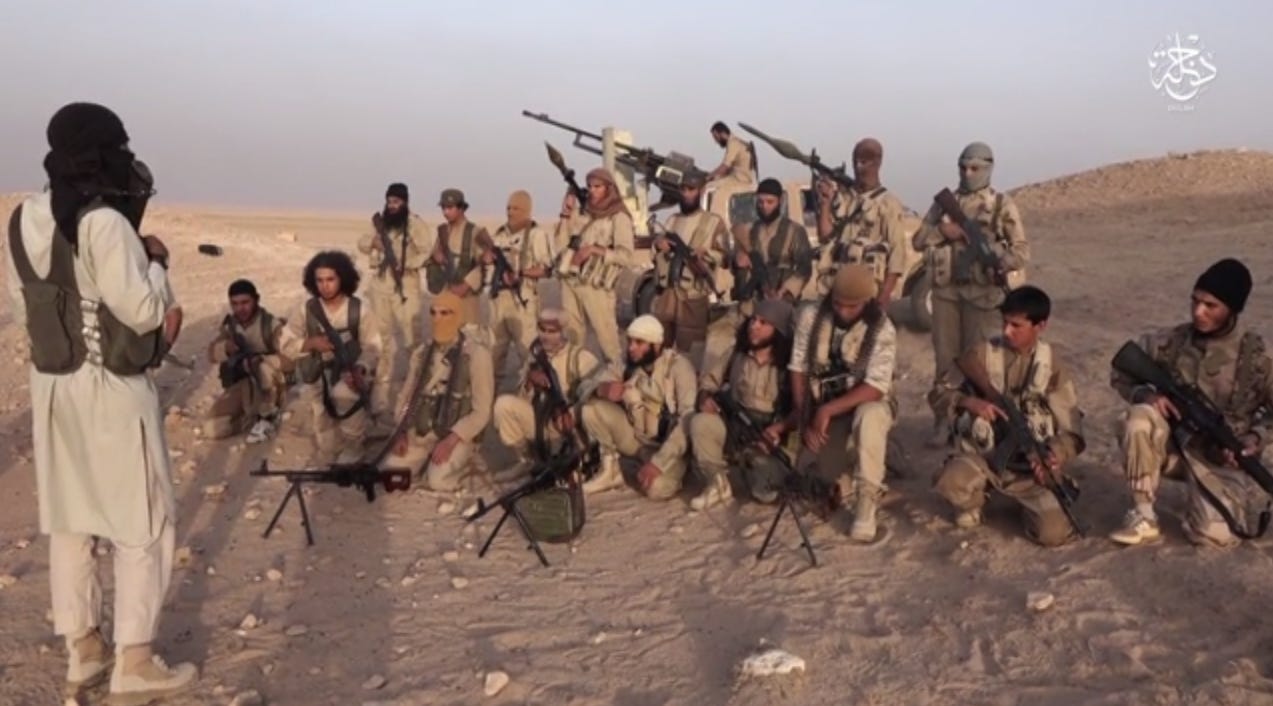
Taha Falaha (Abu Muhammad al-Adnani) [right] appearing in an Islamic State video alongside Tarkhan Batirashvili (Abu Umar al-Shishani, 3 June 2017, displaying a scene from 2014 when IS demolished the borders between Iraq and Syria. Falaha was killed in August 2016. It is common for IS to hold back pictures and footage of its leaders for time-spans that can reach over a decade.
By Kyle Orton (@KyleWOrton) on 6 April 2019

Islamic State flag in front of the main gate of Saddam Husayn’s palace in Tikrit, 5 April 2015 // AFP PHOTO / MOHAMMED SAWAF
A lengthy document—roughly sixty pages and 12,000 words—was published online on 21 February 2019 containing biographies of twenty-seven senior Islamic State (IS) officials, past and more recent. Those bios that are dated were written between October 2018 and the time of publication, with one exception that was written in the summer of 2018. The author claims to be an IS veteran. While longevity is difficult to prove, the fact that the author provides heretofore unseen images of some of the IS leaders suggests that at a minimum he is an IS operative. Continue reading
By Kyle Orton (@KyleWOrton) on 30 December 2017
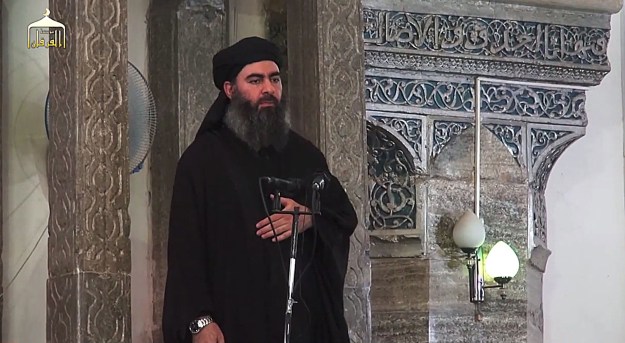
The leader of the Islamic State, Ibrahim al-Badri (Abu Bakr al-Baghdadi), speaking at the Zengi Mosque in Mosul, 4 July 2014 // AP Images
The current leader of the Islamic State (IS), Ibrahim al-Badri (Abu Bakr al-Baghdadi), was appointed as al-amir al-mu’mineen (the commander of the faithful or prince of the believers) on 16 May 2010, after his predecessor, Hamid al-Zawi (Abu Umar al-Baghdadi), was killed on 18 April 2010 in the company of his deputy and “war minister”, Abdul Munim al-Badawi (Abu Hamza al-Muhajir). The official statement appointing al-Badri is reproduced below. Continue reading
By Kyle Orton (@KyleWOrton) on 11 September 2017
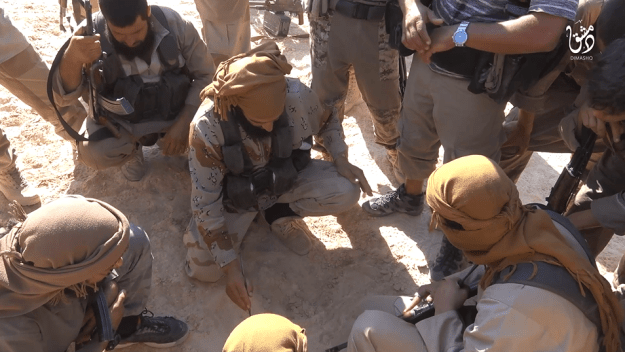
In his twelfth speech since the founding of “the State,” on 24 September 2008, Hamid al-Zawi (Abu Umar al-Baghdadi), listed the “commander in chief”, or chief of staff, Abu al-Bashair al-Jiburi, as among the top heroes of the Islamic State of Iraq (ISI). Al-Zawi said that Abu al-Bashair had been recently martyred.
In an interview released on 28 October 2008, Abdul Munim al-Badawi (Abu Hamza al-Muhajir), al-Zawi’s deputy and the “war minister” of ISI, said that Abu al-Bashair was an Iraqi and a former colonel in Saddam Husayn’s army. Continue reading
Originally published at The Henry Jackson Society
By Kyle Orton (@KyleWOrton) on 3 September 2017
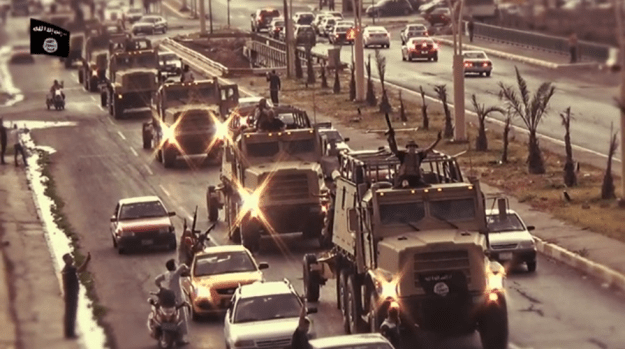
The U.S. State Department on 17 August sanctioned two Islamic State (IS) operatives, Ahmad al-Khald (or Ahmad Alkhald), who was involved in the November 2015 terrorist atrocities in France and the March 2016 bombings in Belgium, and Iyad Hamid Mahl al-Jumayli (Abu Yahya al-Iraqi), IS’s internal security chief. Continue reading
By Kyle Orton (@KyleWOrton) on January 31, 2017
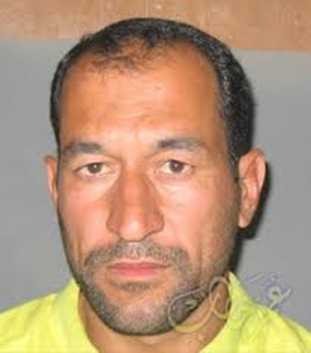
Adnan al-Bilawi
Adnan Ismail Najem al-Bilawi al-Dulaymi (Abu Abdulrahman al-Bilawi), the leader of the Islamic State’s Military Council when he was killed on the eve of the Mosul offensive that he had planned in June 2014, was eulogized by IS’s official spokesman, Taha Falaha (Abu Muhammad al-Adnani), explaining his importance to the organization. Below is a profile of al-Bilawi and the section of Falaha’s speech dedicated to al-Bilawi. Continue reading
By Kyle Orton (@KyleWOrton) on January 29, 2017
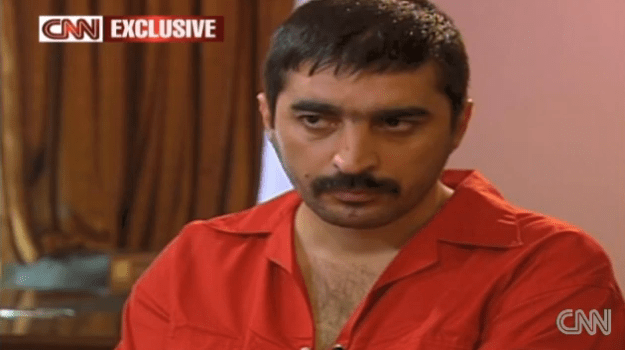
Manaf al-Rawi
Manaf Abdul Rahim al-Rawi was the leader of operations in Baghdad for the Islamic State of Iraq (ISI), the predecessor to the Islamic State (IS), between 2008 and his arrest in 2010. Al-Rawi had been with IS from its earliest days and his arrest in 2004 only advanced him through the ranks as he networked in prison. Upon release and assumption of the post of wali (governor) of Baghdad, al-Rawi was responsible for some of the worst atrocities in 2009 and 2010 in that city. Al-Rawi was executed in prison in 2013. Continue reading
By Kyle Orton (@KyleWOrton) on January 28, 2017
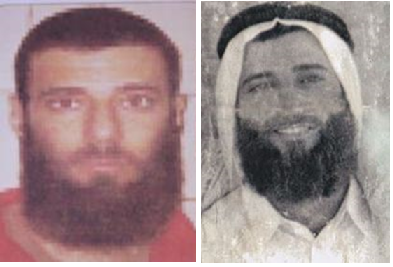
When Ibrahim al-Badri (Abu Bakr al-Baghdadi) became the leader of the then-Islamic State of Iraq (ISI) in May 2010, his deputy was man named Numan al-Zaydi, who went under various pseudonyms: Abu Ibrahim al-Ansari, Abu Sulayman al-Nasser, and Al-Nasser Lideen Allah Abu Sulayman. Al-Zaydi was killed in February 2011. Continue reading
By Kyle Orton (@KyleWOrton) on January 25, 2017

One of the few existing pictures of Abu Hamza al-Muhajir (Abdul Munim al-Badawi)
Below is reproduced a very short biography for Abu Hamza al-Muhajir, sometimes called Abu Ayyub al-Masri, whose real name is Abdul Munim al-Badawi,[1] that circulated on pro-Islamic State forums. Al-Badawi took over leadership of al-Qaeda in Iraq (AQI) when its founder, Ahmad al-Khalayleh (Abu Musab al-Zarqawi), was killed on 7 June 2006. Al-Badawi then declared his allegiance to Hamid al-Zawi (Abu Umar al-Baghdadi) and the Islamic State of Iraq (ISI) on 10 November 2006, formally dissolving al-Qaeda on Iraqi territory, and becoming al-Zawi’s deputy. Abu Hamza had been in Iraq, including Baghdad, a year before Saddam Husayn was overthrown, and he and al-Zawi were killed together on 18 April 2010. Continue reading
 Kyle Orton's Blog