Tag Archives: Ottoman Empire

Northern Ireland Cares Deeply About Israel and the Palestinians. Why?

By Kyle Orton (@KyleWOrton) on 16 July 2024

Continue reading

The Recreation of Israel, War, and Survival

By Kyle Orton (@KyleWOrton) on 16 May 2024

Continue reading

Film Review: Raid on Entebbe (1977)

By Kyle Orton (@KyleWOrton) on 24 February 2024

Continue reading

Origins of Vampire Stories: When, Where, and How

By Kyle Orton (@KyleWOrton) on 17 August 2023

Continue reading

Russia and the Outbreak of the Great War

By Kyle Orton (@KyleWOrton) on 15 December 2021

Tsar Nicholas II and Kaiser Wilhelm II aboard a ship in the Gulf of Finland, 1905

In the early historiography of the Great War, it was accepted that Germany was chiefly responsible, with debates on the margins about the degree of intentionality and premeditation. Of late, however, “It has become fashionable to spread the guilt of the First World War liberally around Europe”, as one prominent historian noted.[1] Some revisionists go even further and try to find another state that is not only equally as culpable as Germany but more so. In this post, I want to, without in any way pretending to be comprehensive, deal with the argument that blames Russia for the 1914-18 War. Continue reading

The Munster Millenarians: Anabaptism and the Radical Reformation

By Kyle Orton (@KyleWOrton) on 21 February 2021
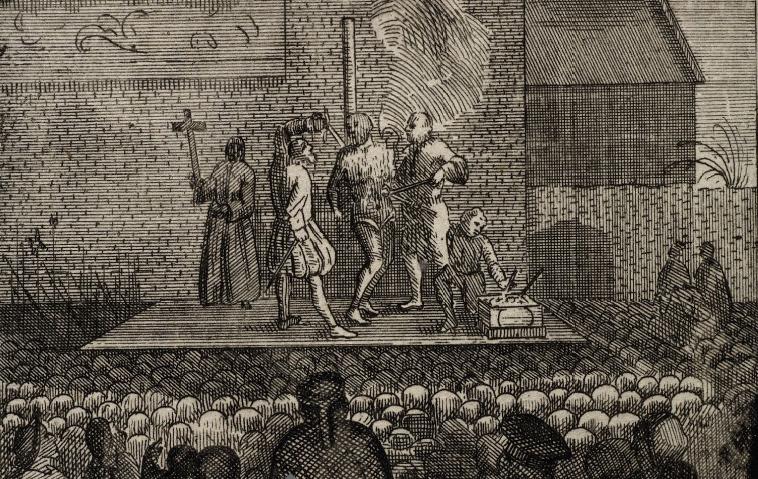
Execution of Jan Beuckelszoon // Illustration in a book by Lambertus Hortensius

In 1534, shortly after the onset of the Protestant Reformation, a radical sect from this new movement, the Anabaptists, seized the city of Munster in Germany and governed it for sixteen months as a millenarian cult in a manner so alarming it managed to bring together Catholic and Lutheran forces to put it down. The experience had a profound influence not only on the development of Anabaptism thereafter, but on the manner in which the Reformation more generally unfolded. Continue reading

The Establishment of the Qajar Dynasty in Iran

By Kyle Orton (@KyleWOrton) on 28 February 2019
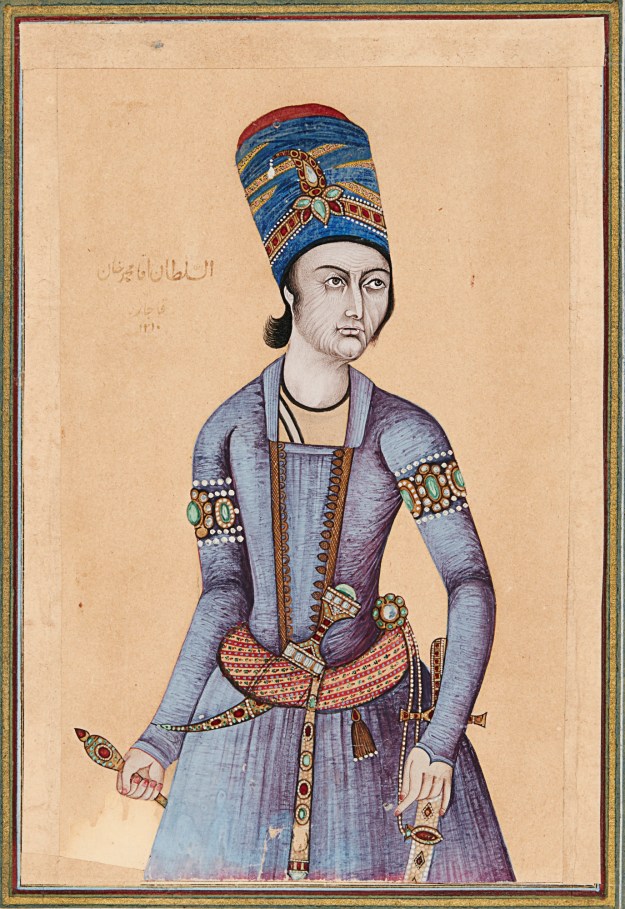
Agha Mohammad Khan Qajar, founder of the Qajar dynasty (1794-1925) in Iran [source]
Gavin R.G. Hambly, a Middle East scholar and historian, wrote a paper in 1963 about the establishment of the Qajar dynasty, the second-to-last ruling House in Iran, and particularly about its first monarch, Agha Mohammad Khan. The paper is slightly revisionist about Agha Mohammad, countering the long-standing reputation of him as solely a ruthless despot. The Qajars, for all their faults, prevented the outright colonisation of Iran in the nineteenth century, and imposed an order that held the country together, albeit while losing tracts of territory on the periphery—the Caucasus and Turkmenistan to the Russians in the north, and areas in the east to the British, notably Herat, which was annexed to Afghanistan, and parts of Baluchistan and Sistan to what would later become Pakistan. This resilience of the Iranian state is largely ascribable to Agha Mohammad, argues Hambly, who showed a sense of public spirit he is rarely credited with in consciously making the lives of ordinary Iranians better. Continue reading

The Outlook for the America-Turkey Relationship is Bleak

By Kyle Orton (@KyleWOrton) on 15 August 2018

America’s imposition of sanctions on Turkey brings the relationship to its lowest ebb in more than forty years. Almost as soon as the Justice and Development Party (AKP) and its leader, Recep Tayyip Erdoğan, came into office in 2002 there have been tensions in the relationship. These manageable differences escalated considerably during the time of President Barack Obama, primarily because of his Syria policy, and now threaten to boil over. The chances to soothe a vital strategic partnership appear to be slipping. Continue reading

Obituary: Bernard Lewis

By Kyle Orton (@KyleWOrton) on 20 May 2018

Bernard Lewis, the great historian of the Middle East, died yesterday, aged 101.

Continue reading

America’s Wars With the Barbary Pirates

By Kyle Orton (@KyleWOrton) on 27 February 2018

Review of ‘Jefferson’s War: America’s First War on Terror, 1801-1805’, by Joseph Wheelan

“The Terror,” raids by pirates who believed themselves to be on a holy mission, were “an accepted hazard of conducting foreign trade, much like hurricanes”. So notes Joseph Wheelan in his 2004 book, Jefferson’s War. That changed after a naval expedition by the United States put down the trade in the first two decades of the nineteenth century. Continue reading