By Kyle Orton (@KyleWOrton) on 19 January 2022
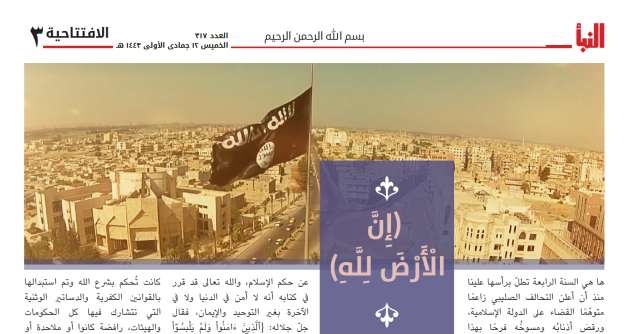
Al-Naba 317, page 3
By Kyle Orton (@KyleWOrton) on 7 September 2021

Anti-Taliban fighters watch U.S. airstrikes at Tora Bora, 16 December 2001 || REUTERS/Erik de Castro
The State Department spokesman Ned Price said, on 27 August, “The Taliban and the Haqqani Network are separate entities”. The next day, the Pentagon Press Secretary John Kirby slightly modulated this, having first tried to dismiss the question, by conceding there was “a certain amount of … commingling … there’s a marbling … of Taliban and Haqqani”, before saying he was “pushing back … [on] the relevance of that discussion”.
What these officials were trying to do was two-fold: (1) to refute press reports that U.S. officials in Kabul had shared “a list of names of American citizens, green card holders, and Afghan allies” with the Taliban, amounting to having “put all those Afghans on a kill list”, as one “defense official” put it; and (2) to deny that the U.S. coordination with the Taliban to evacuate people the jihadists wanted to kill—a surreal enough situation—had involved the additional political and legal problems of coordinating with a formally registered Foreign Terrorist Organization (FTO), as the Haqqani Network is. Continue reading
By Kyle Orton (@KyleWOrton) on 22 May 2021

Al-Naba 287, page three
The last two issues of Al-Naba, the weekly newsletter of the Islamic State (IS), had a number of interesting items, most obviously finally breaking its silence on the latest flare-up between Israel and HAMAS. Continue reading
By Kyle Orton (@KyleWOrton) on 25 October 2020

The spokesman of the Islamic State (IS), Abu Hamza al-Qurayshi, released his fourth speech since his appointment a year ago on 18 October 2020, entitled, “So Relate the Stories That Perhaps They Will Give Thought”. Continue reading
By Kyle Orton (@KyleWOrton) on October 23, 2020
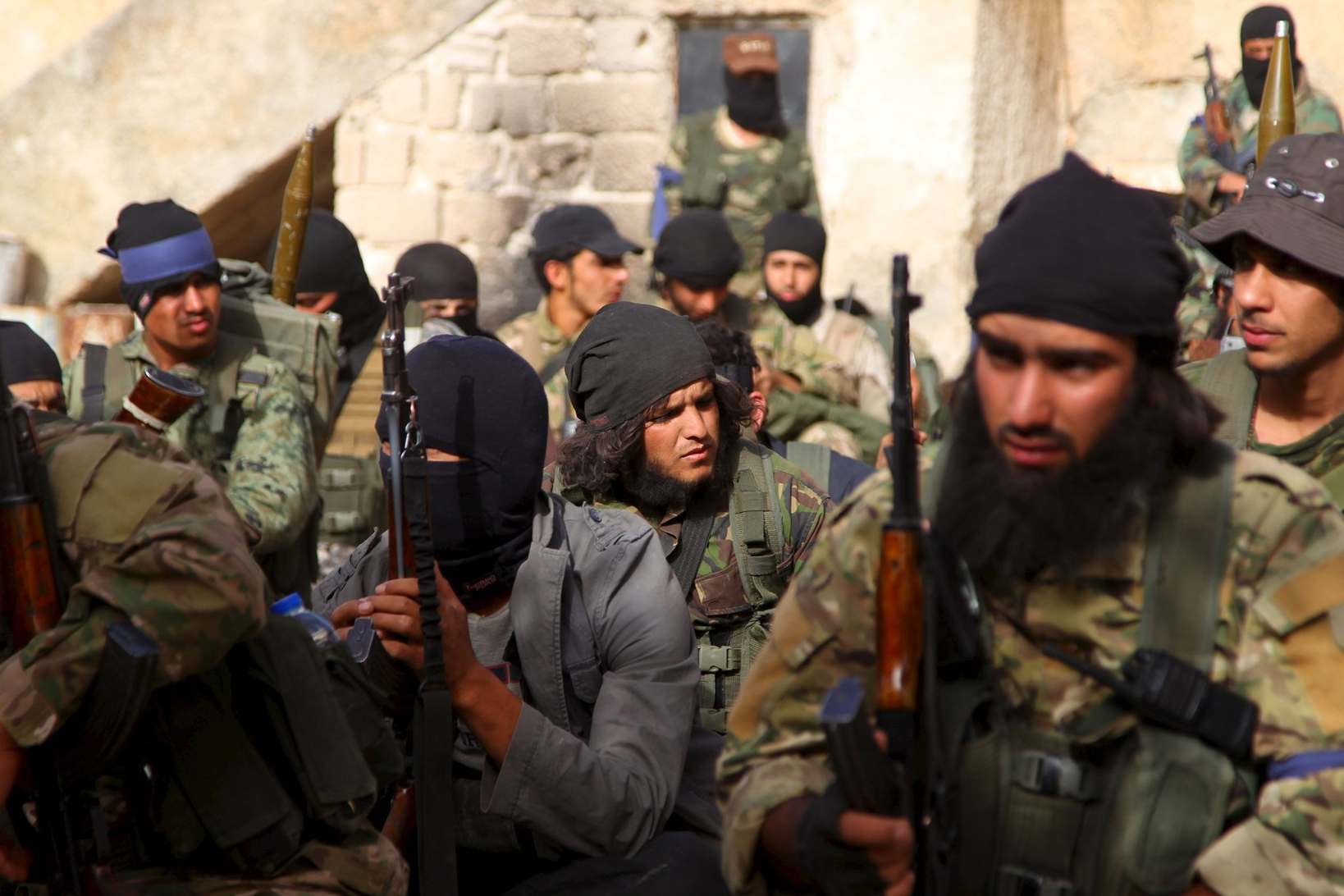
A chapter about Islamism in Syria I wrote for the American Foreign Policy Council’s (AFPC) ‘World Almanac of Islamism’ was published today. Do check it out, and the broader site, which is a great, accessible resource. The format of the website necessitated that the chapter as I submitted it was edited, condensed, and split up to fill out the various categories. In case it is of any interest, the original version of the chapter is reproduced below.
By Kyle Orton (@KyleWOrton) on October 4, 2020
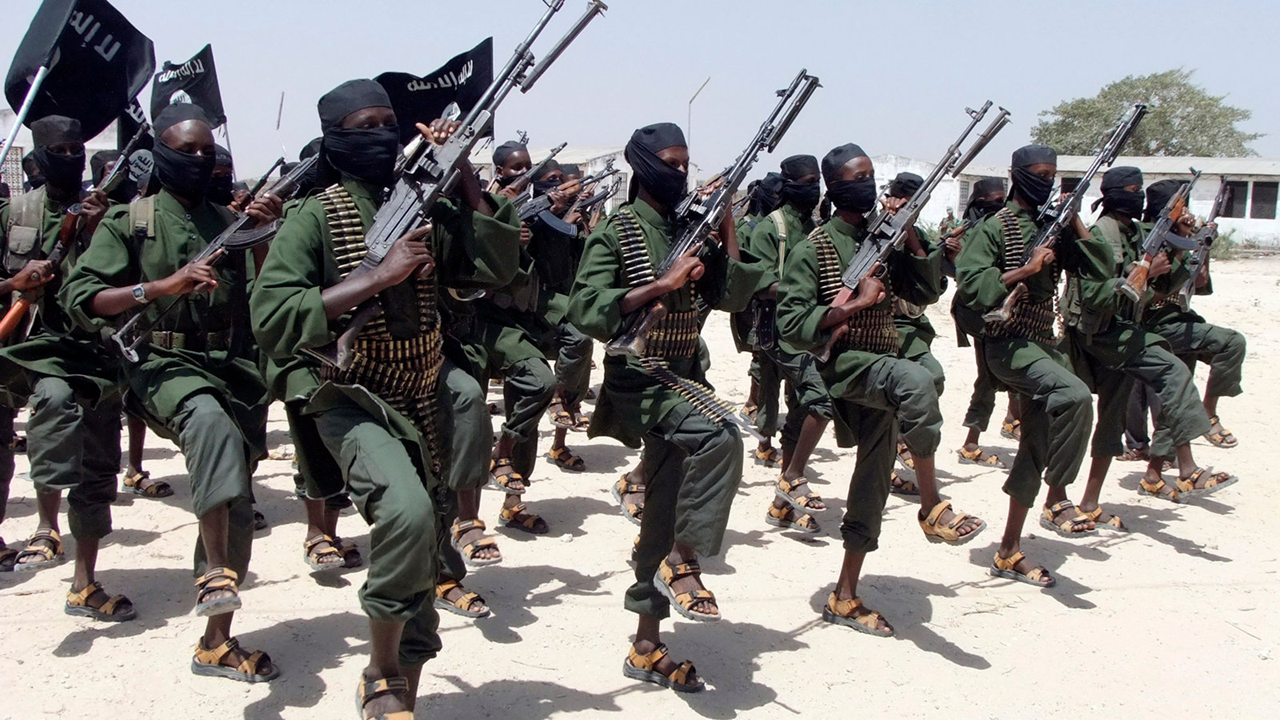
A chapter about Al-Qaeda I wrote for the American Foreign Policy Council’s (AFPC) ‘World Almanac of Islamism’ was published today. Do check it out, and the broader site, which is a great, accessible resource. The format of the website necessitated that the chapter as I submitted it was edited, condensed, and split up to fill out the various categories. In case it is of any interest, the original version of the chapter is reproduced below.
By Kyle Orton (@KyleWOrton) on September 11, 2020
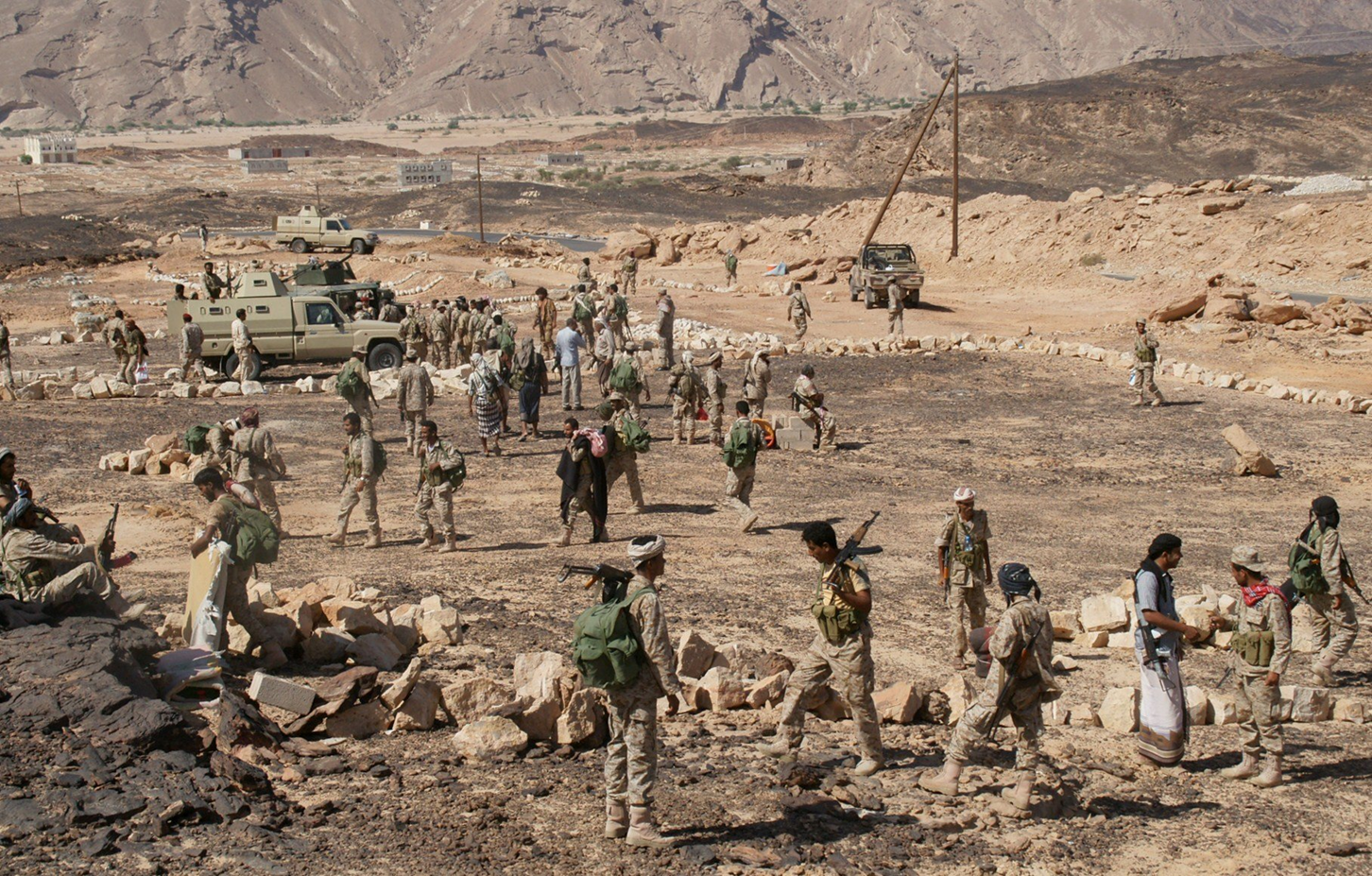
In writing a chapter earlier this year about the current status of Al-Qaeda, part of the process was reviewing the organisation’s history since its formation in the late 1980s. What really struck me was how extensively Al-Qaeda is now manipulated, under the influence of, and in places even controlled by state powers. To mark the nineteenth anniversary of 9/11, I thought I could give a brief sketch of this development.
By Kyle Orton (@KyleWOrton) on 22 August 2020
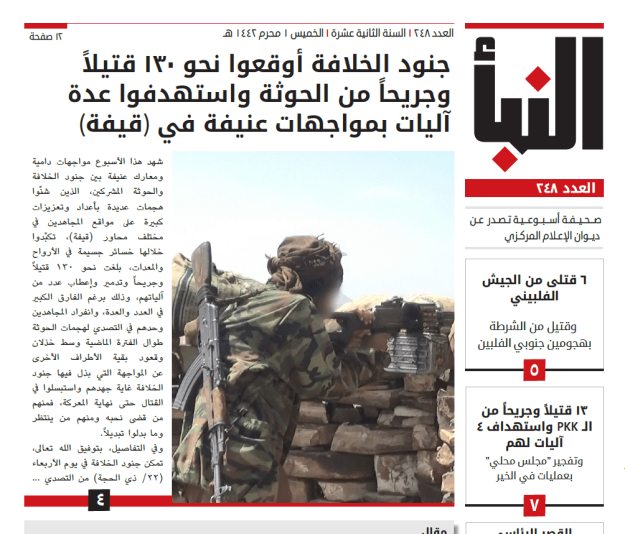
Al-Naba 248
The Islamic State (IS) produced the 248th edition of Al-Naba, its newsletter, on 20 August. The front page was devoted to recent events in Yemen, which had not gone well for IS—although one could easily miss that fact when reading a story that a focuses almost entirely on enemy casualties and the failures of others. IS is, of course, not pleased about the Israeli normalisation of relations with the United Arab Emirates, but Al-Naba makes clear that it is more perturbed that Muslims should believe Turkey or Qatar are any better than the U.A.E., despite their different approach to Islamists. Al-Naba 248 documents IS’s continuing advances in Afghanistan—and, indeed, Iraq, Syria, Africa (the Sahel), and Egypt. There is also a report of insurgent activity in the Philippines. Continue reading
By Kyle Orton (@KyleWOrton) on 28 May 2020

After trailing the release yesterday, an audio statement from the Islamic State (IS) spokesman, Abu Hamza al-Qurayshi, was published by Al-Furqan Foundation today. It is entitled, “And the Disbelievers Will Know Who Gets the Good End”, i.e. heaven. The title is taken from a sura of the Qur’an [Ra’d (13):42]. The speech gloated about the damage the coronavirus has done to the West, presenting it as God’s revenge for the Coalition dislodging IS from the cities it had occupied in Iraq, Syria, Libya, and elsewhere. There is the usual focus on anti-IS Sunnis in Iraq and Syria, who are warned that the U.S. is pulling back, thus those who bet on the U.S. for protection need to reassess or they will be killed. The two most significant parts of the speech are: (1) its focus on IS’s expansion in Africa, a visible fact for some time now, and the competition with Al-Qaeda in that area; and (2) the closing few minutes where Abu Hamza agitates against Qatar, a state that IS has never bothered with before in its messaging.
Continue reading

 Kyle Orton's Blog