By Kyle Orton (@KyleWOrton) on 12 April 2025
By Kyle Orton (@KyleWOrton) on 30 July 2022

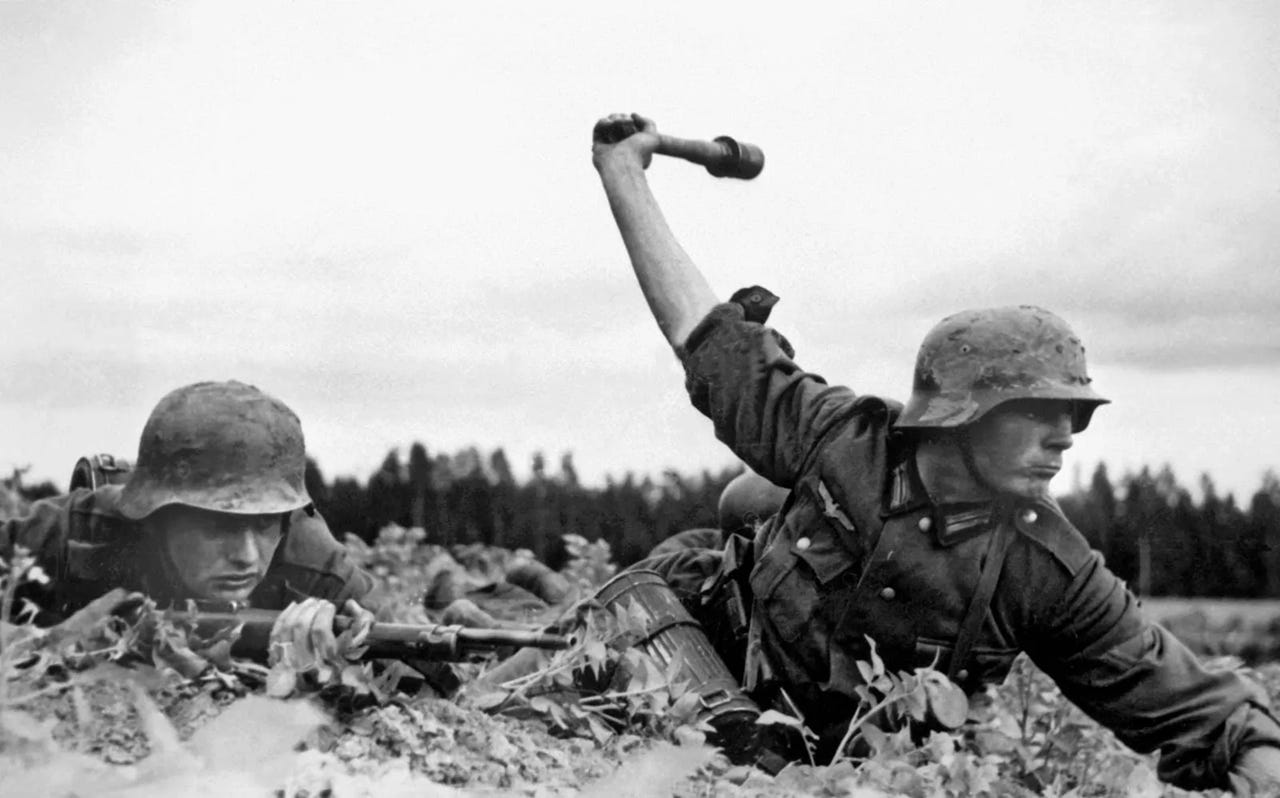
Islamic State in Palmyra, December 2016
By Kyle Orton (@KyleWOrton) on 20 January 2021

Last week, as one of his last acts in office, U.S. Secretary of State Mike Pompeo gave a speech about Iran’s collaboration with Al-Qaeda. It was unfortunate that Pompeo did this at this time and in this way, with such blatant political intent, because the factual content of Pompeo’s speech was unassailable: the Islamic Republic’s long relationship with Al-Qaeda does stretch back about three decades, the killing of Al-Qaeda’s deputy Abdullah Ahmed Abdullah (Abu Muhammad al-Masri) in Tehran in August 2020 is demonstrative of a shift in the strategic positioning of the organisation away from Pakistan to Iran, and even the part of Pompeo’s speech that got the most pushback—about Tehran’s contact with the 9/11 killers—is not controversial and is not new.
Unmentioned in Pompeo’s speech was one of the crucibles that forged this relationship, and forged Al-Qaeda into something more than a regional menace, namely the Bosnian war of 1992-5. Continue reading
By Kyle Orton (@KyleWOrton) on October 4, 2020
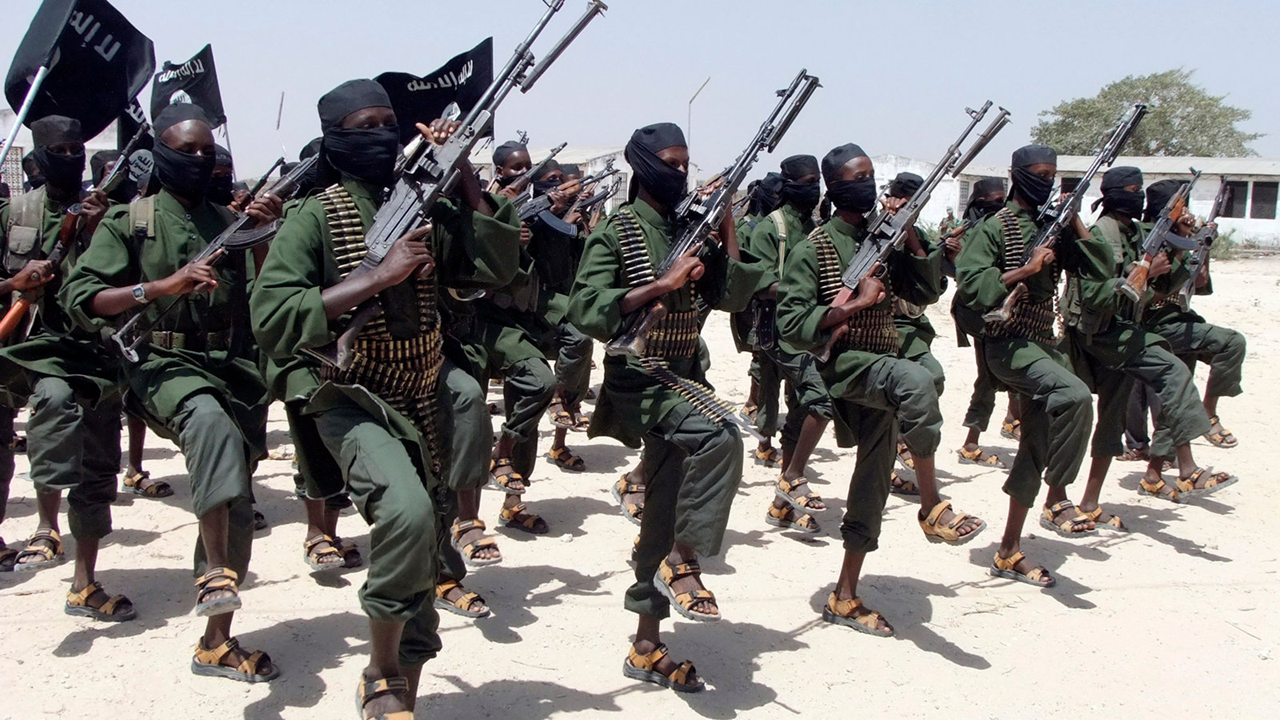
A chapter about Al-Qaeda I wrote for the American Foreign Policy Council’s (AFPC) ‘World Almanac of Islamism’ was published today. Do check it out, and the broader site, which is a great, accessible resource. The format of the website necessitated that the chapter as I submitted it was edited, condensed, and split up to fill out the various categories. In case it is of any interest, the original version of the chapter is reproduced below.
By Kyle Orton (@KyleWOrton) on September 11, 2020
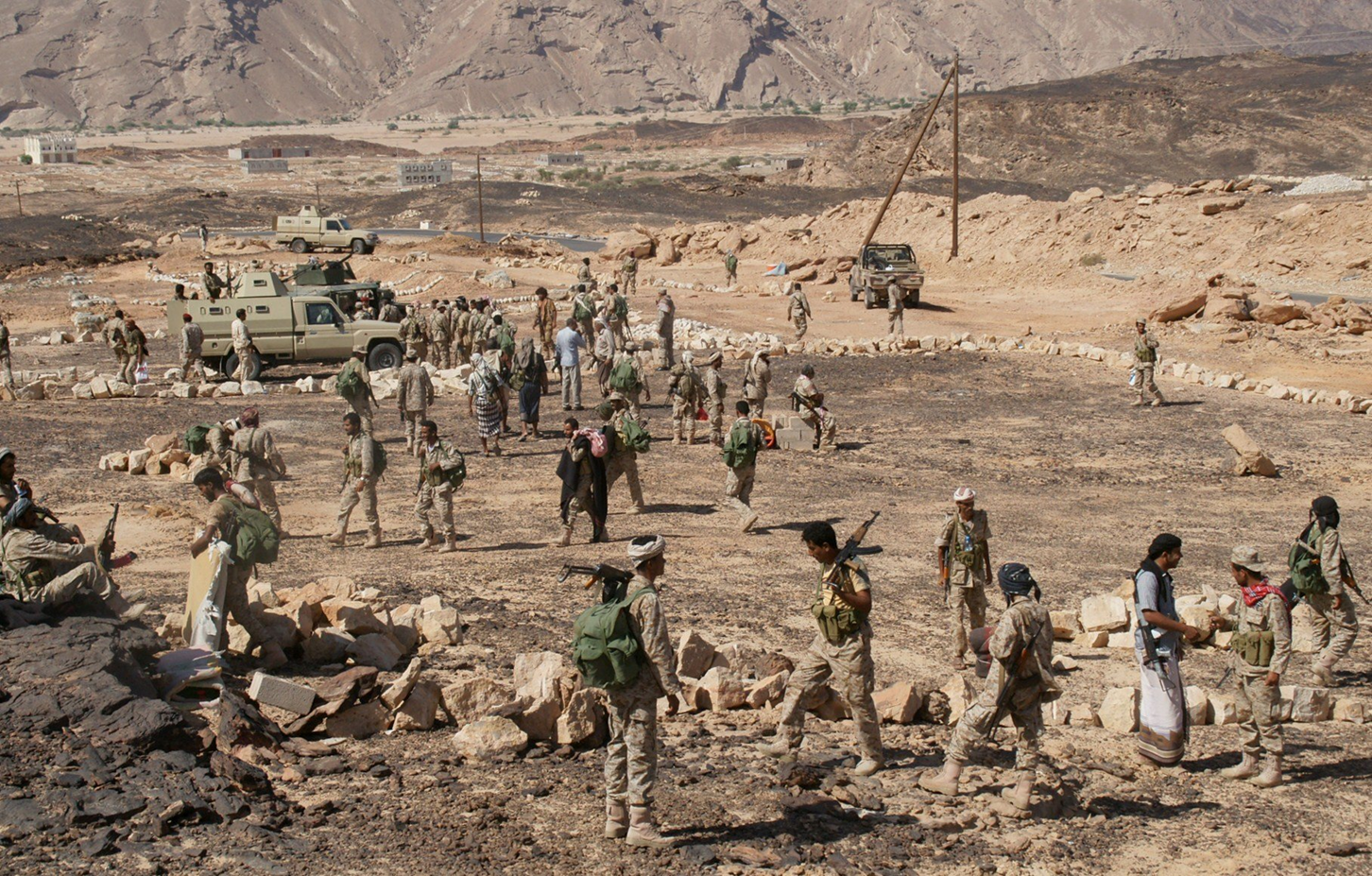
In writing a chapter earlier this year about the current status of Al-Qaeda, part of the process was reviewing the organisation’s history since its formation in the late 1980s. What really struck me was how extensively Al-Qaeda is now manipulated, under the influence of, and in places even controlled by state powers. To mark the nineteenth anniversary of 9/11, I thought I could give a brief sketch of this development.
This article was originally published at The Brief
By Kyle Orton (@KyleWOrton) on 26 October 2018
At the beginning of September, New America published a paper, based on recovered al-Qaeda documents, which concluded that there was “no evidence of cooperation” between the terrorist group and the Islamic Republic of Iran. New America’s study lauds itself for taking an approach that “avoids much of the challenge of politicization” in the discussion of Iran’s relationship with al-Qaeda. This is, to put it mildly, questionable.
A narrative gained currency in certain parts of the foreign policy community during the days of the Iraq war, and gained traction since the rise of the Islamic State (IS) in 2014, that Iran can be a partner in the region, at least against (Sunni) terrorism, since Tehran shares this goal with the West. Under President Barack Obama, this notion became policy: the US moved to bring Iran’s revolutionary government in from the cold, to integrate it into the international system. Continue reading


 Kyle Orton's Blog