Tag Archives: Syria

A Note on the Iraqi Prime Minister’s Dependence on Iran

By Kyle Orton (@KyleWOrton) on 3 May 2025
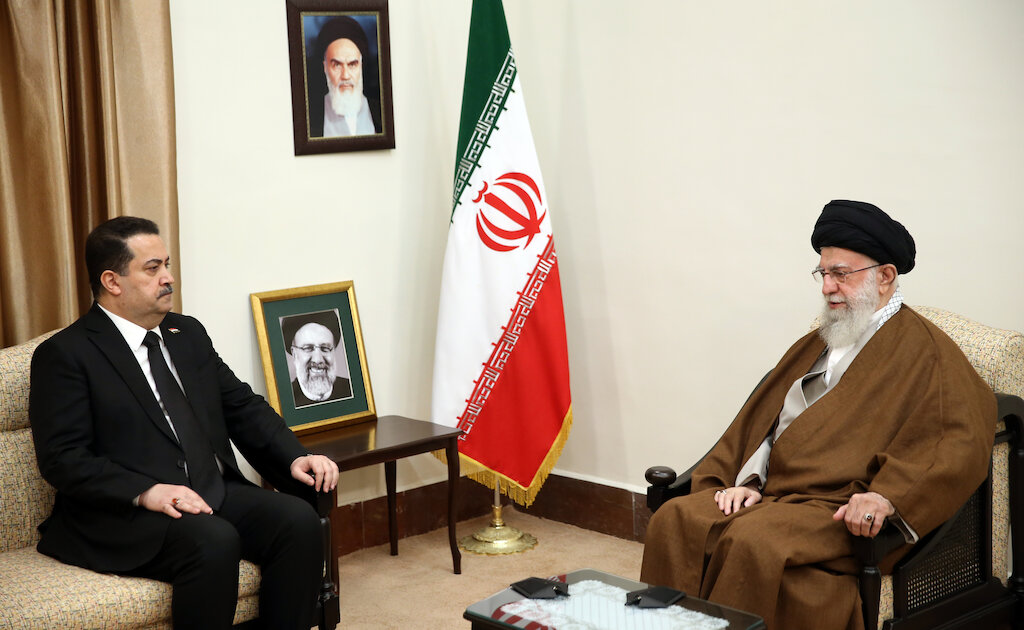
Muhammad al-Sudani has been Iraq’s Prime Minister since October 2022. He was installed at Iran’s behest after a year-long political logjam following the 2021 Iraqi elections. The political fronts for Iran’s terrorist-militias lost those elections, but Tehran picked the Prime Minister anyway.
Continue reading →

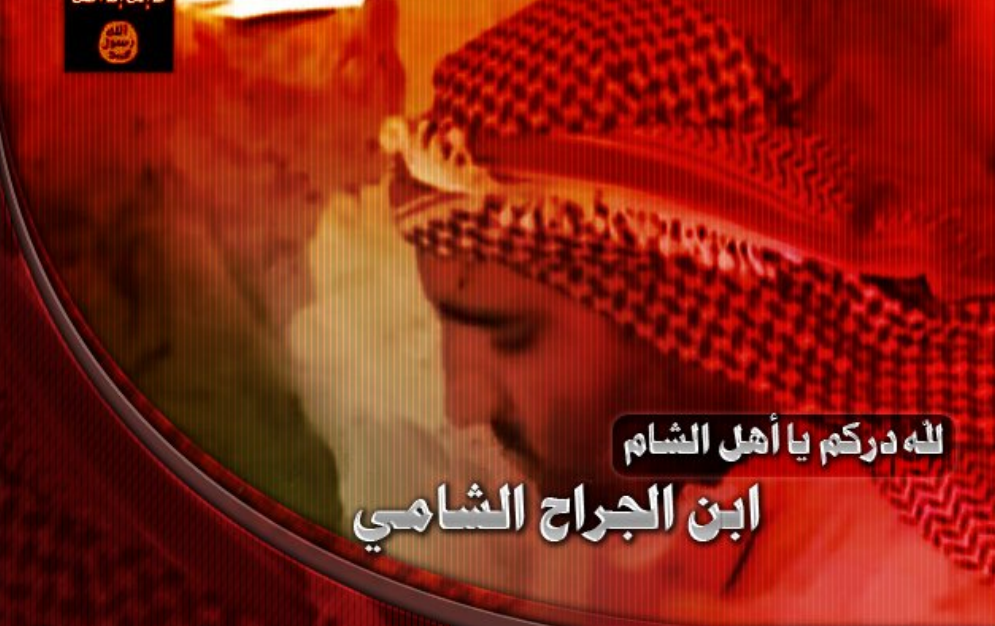
Profile of Islamic State “Heroic Commander” Jarrah al-Shami

By Kyle Orton (@KyleWOrton) on 30 April 2025

Continue reading →

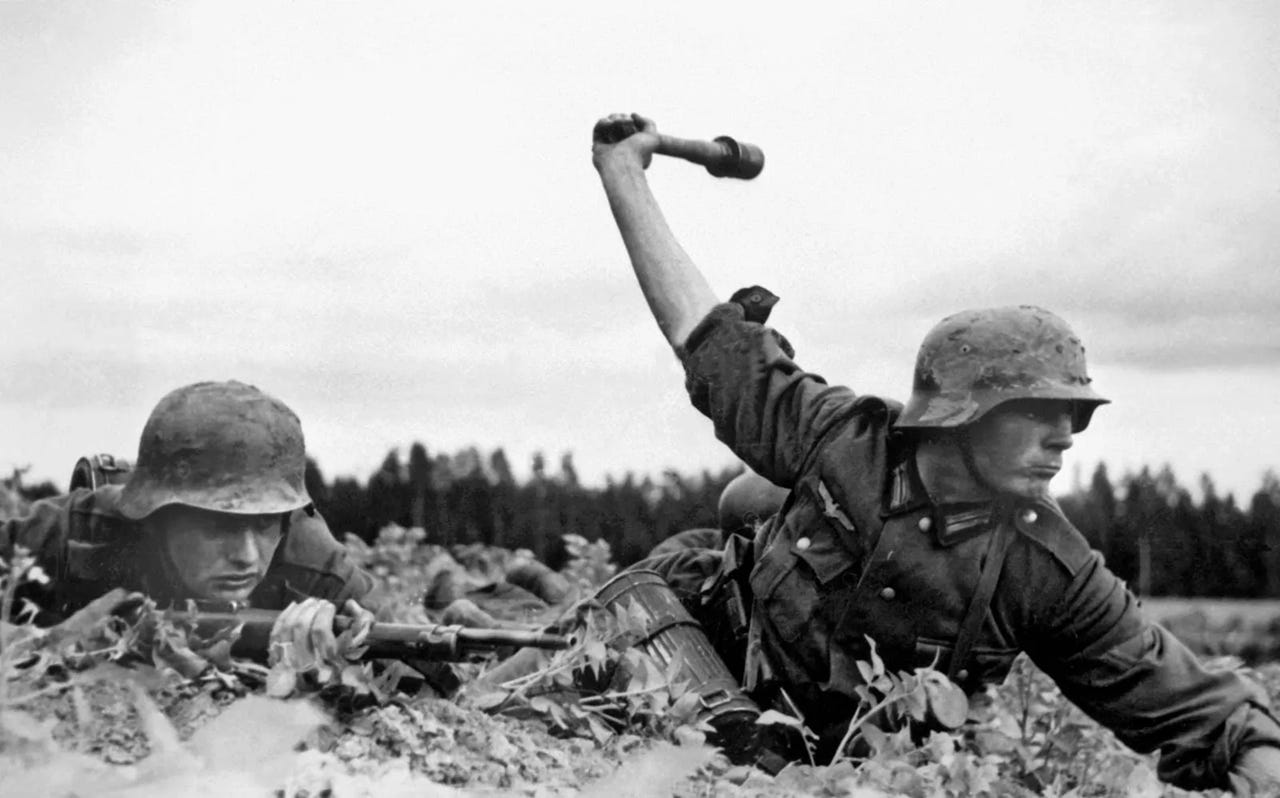
Did 27 Million Soviet Citizens Die Fighting the Nazis?

By Kyle Orton (@KyleWOrton) on 12 April 2025

Continue reading →

Will Trump Succeed in Withdrawing From Syria This Time?

By Kyle Orton (@KyleWOrton) on 29 March 2025

Continue reading →

The Evidence of Iran’s Responsibility for the October 7 Pogrom in Israel Keeps Piling Up

By Kyle Orton (@KyleWOrton) on 26 March 2025

Continue reading →

The Alawi Massacres in Syria: A Blip or a Rubicon?

By Kyle Orton (@KyleWOrton) on 17 March 2025

Continue reading →

Visiting Post-Revolutionary Syria

By Kyle Orton (@KyleWOrton) on 12 March 2025

Continue reading →

A Note on the Family of Elagabalus and Roman Rule in Syria

By Kyle Orton (@KyleWOrton) on 7 February 2025

When Septimius Severus became Roman Emperor in 193 AD, his wife, whom he had married in 187, was Julia Domna, a native of Emesa (now Homs), meaning Rome had its first Syrian Empress.

Continue reading →

A Note on Akhenaten and Ancient Religious Revolutions

By Kyle Orton (@KyleWOrton) on 7 February 2025

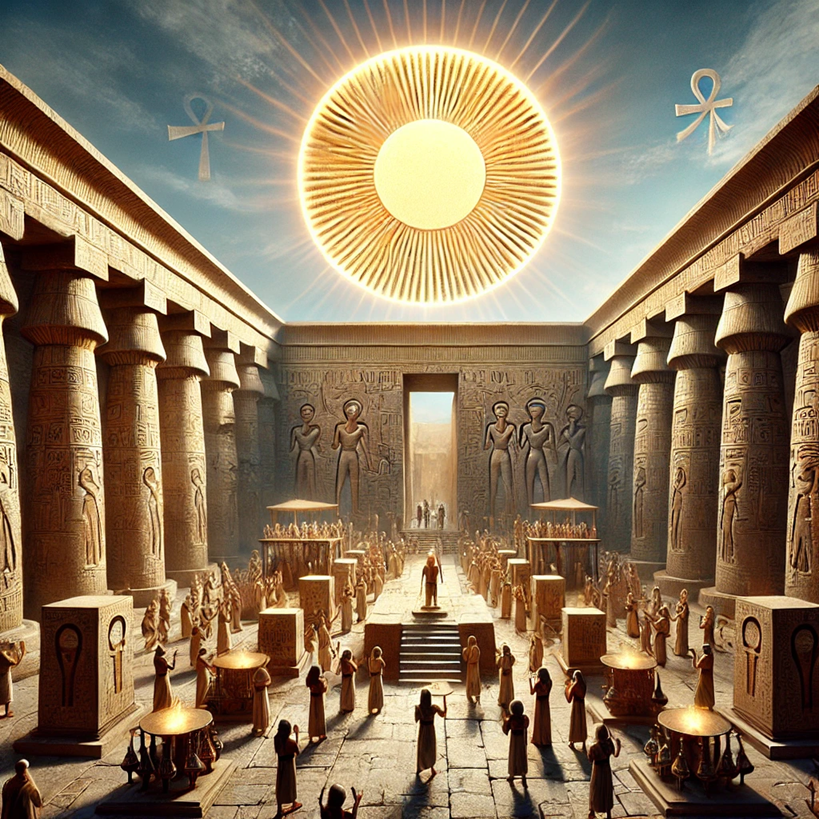
The written biographies of the Roman Emperor Elagabalus (r. 218-22 AD) claim that he oversaw an effort to replace the traditional gods with the Syrian sun god of which he was the high priest, and that this was part of the reason he was overthrown. There is, however, no physical evidence for an Elagabalan religious revolution, and we have an idea of the kinds of evidence that should show up where a ruler has tried to impose a new religious dispensation and it has been rejected by his successors because we have counter-examples.

Continue reading →