By Kyle Orton (@KyleWOrton) on 25 October 2025
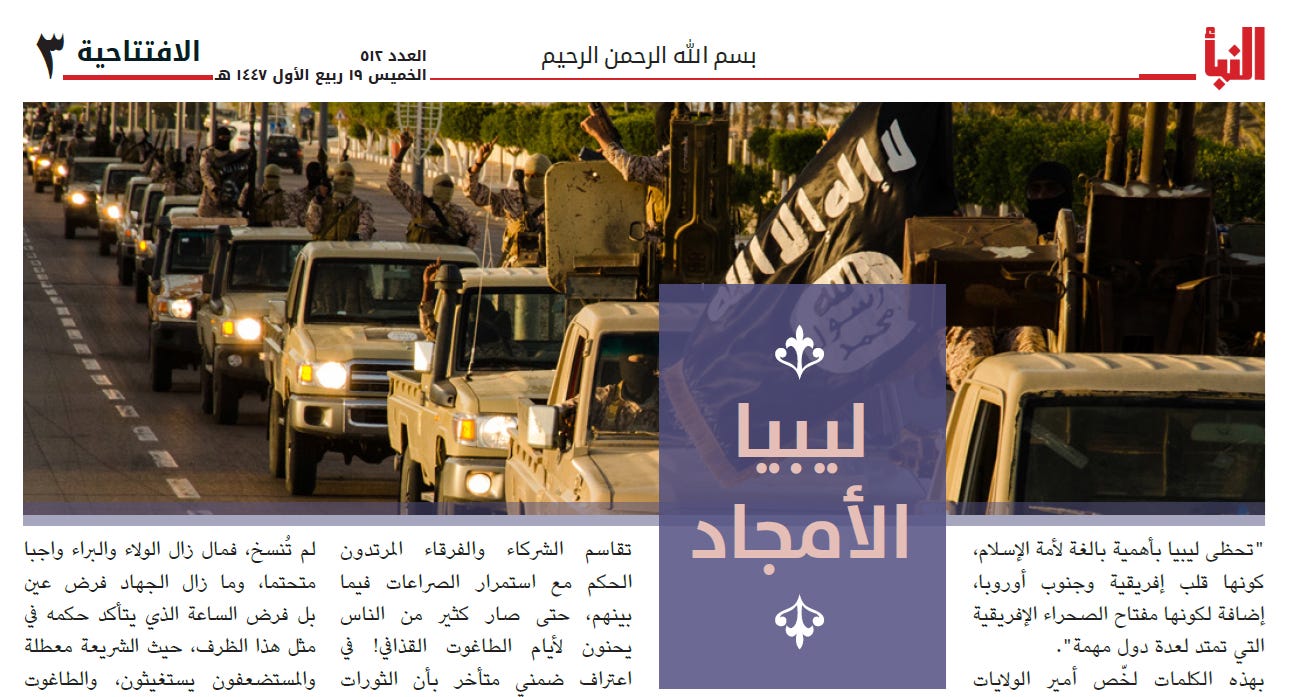
By Kyle Orton (@KyleWOrton) on 24 August 2022
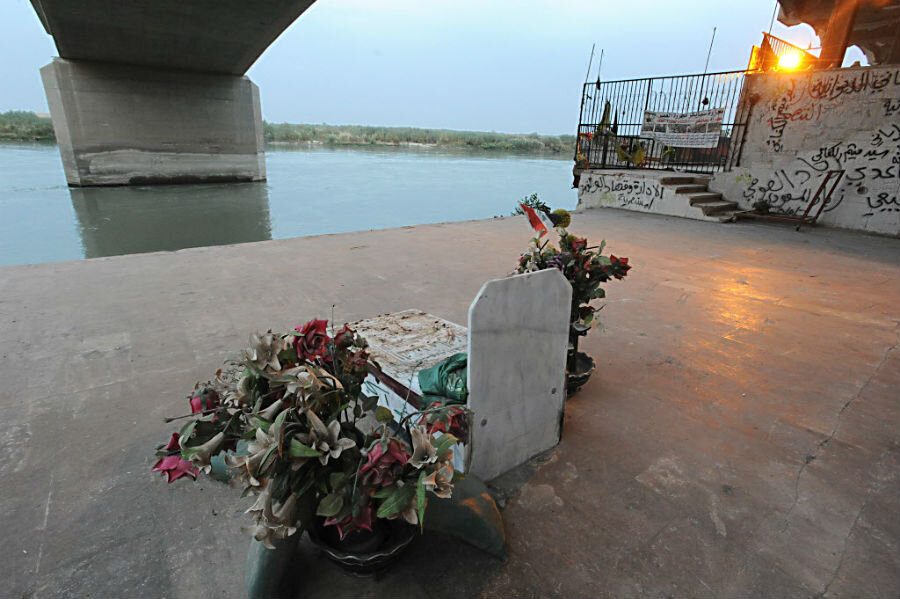
Area on the banks of the Tigris where the cadets of Camp Speicher were massacred by the Islamic State || Scott Peterson/The Christian Science Monitor
By Kyle Orton (@KyleWOrton) on 15 March 2022
By Kyle Orton (@KyleWOrton) on 25 January 2022
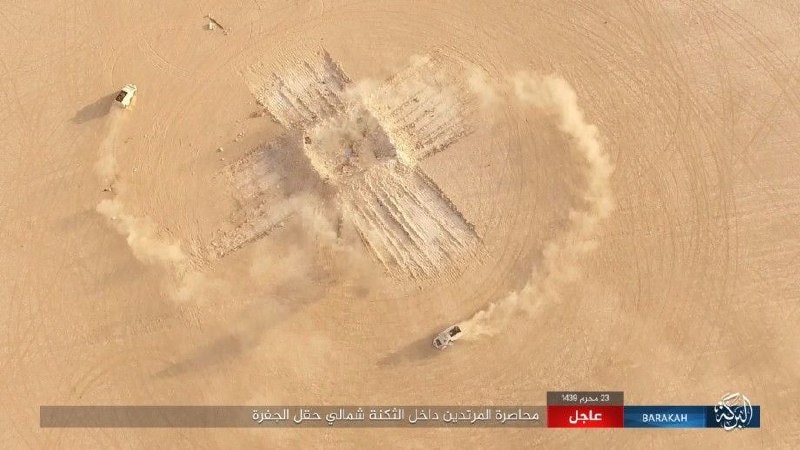
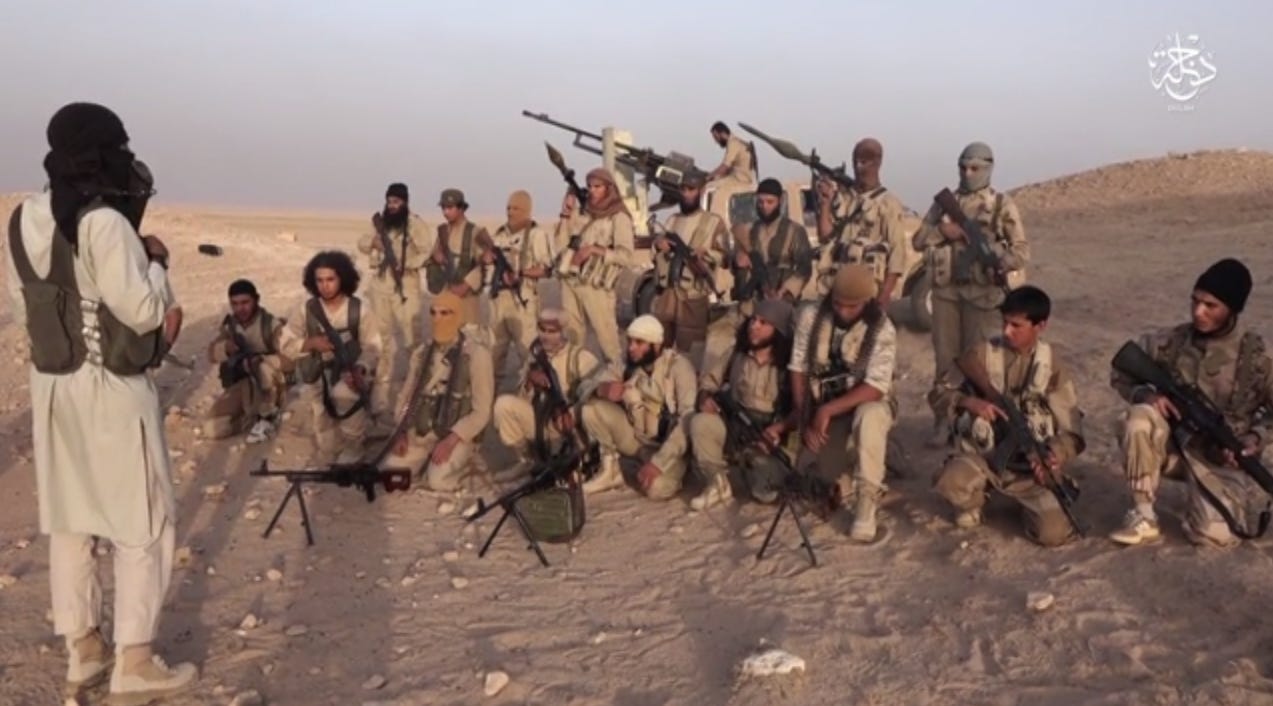
Islamic State in its desert sanctuaries in eastern Syria, 2017
By Kyle Orton (@KyleWOrton) on 13 June 2020
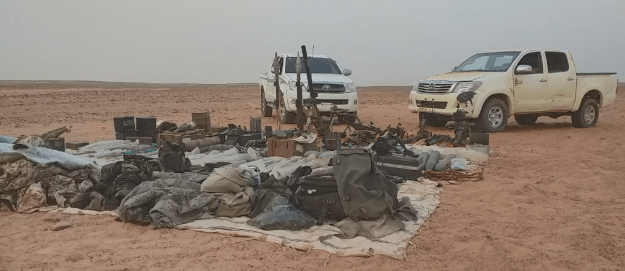
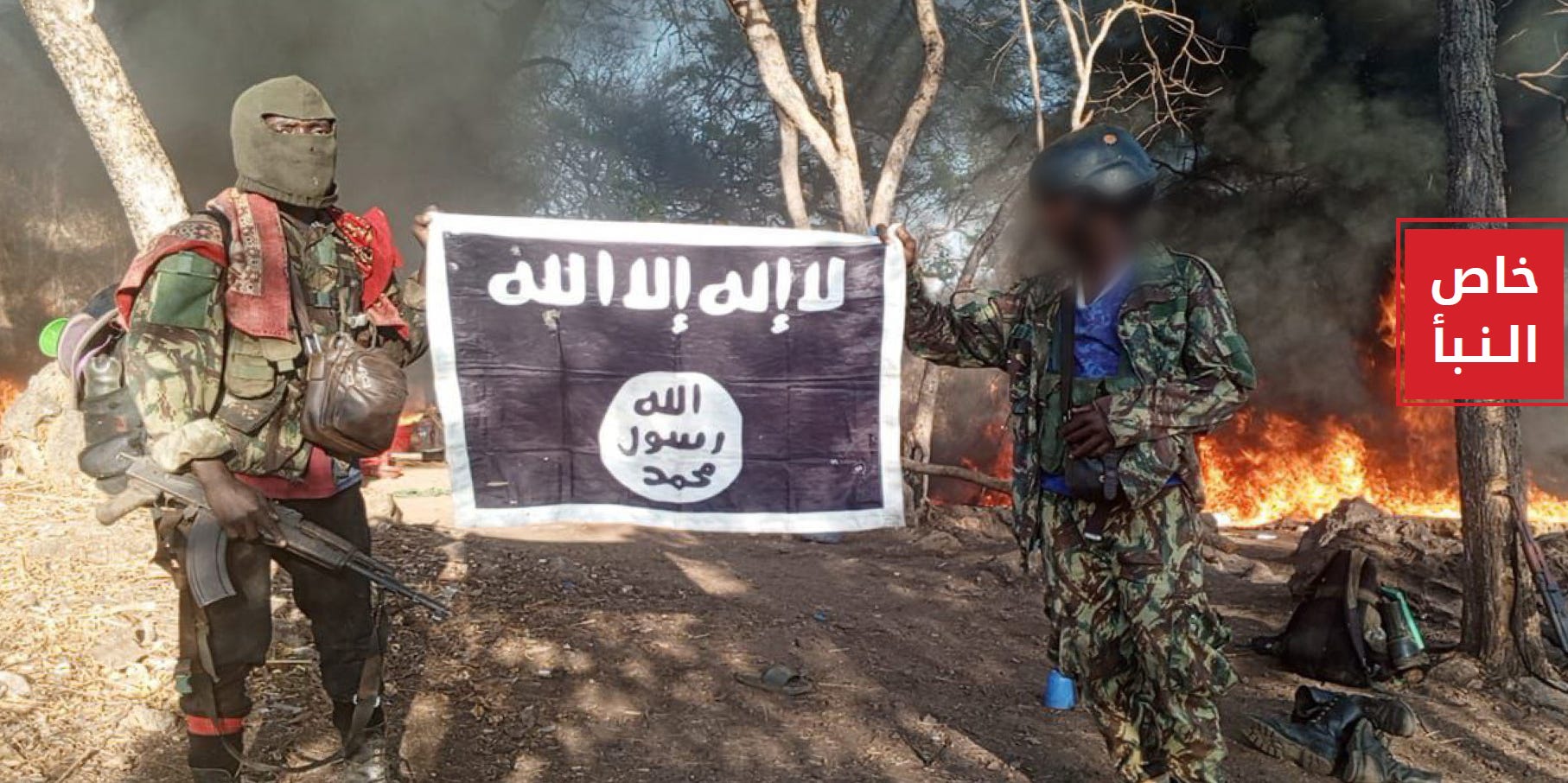
Ghanima (war spoils) captured by Islamic State in Sabha, Libya [Al-Naba 181, 9 May 2019]
Originally published at The Henry Jackson Society
By Kyle Orton (@KyleWOrton) on 2 September 2017

The most recent issue of Perspectives on Terrorism had a paper by Ronen Zeidel entitled, ‘The Dawa’ish: A Collective Profile of IS Commanders’, which was “the first attempt to provide a comprehensive collective profile of commanders and leaders of the Islamic State (IS)”. Based on “an inventory of over 600 names”, the paper assessed the nationality, ethnicity, and tribal origins not just of the very senior IS commanders, but those lower down, a novel and much-needed line of investigation. Zeidel found that these commanders of the IS movement are or were overwhelmingly Iraqi and Sunni Arab, with an important Turkoman contingent.
Zeidel’s findings are important for drawing attention again to the local-revolutionary character of an organisation that gets a great deal of attention for its foreign fighters and external attacks, especially in the West, but which only a recently acquired global reach—and, indeed, only recently needed to: until 2011, the West was easily reachable since it had troops on the ground in Iraq, so the incentive to invest resources in creating a foreign terrorist apparatus was minimal.
One small part of Zeidel’s work has created something of a storm, however. Zeidel gives the occupation held by these commanders and, for those where this was known, 72% of them were former regime elements (FREs) from the dictatorship of Saddam Husayn. This reignited the argument over how important the FREs have been to IS. Continue reading
By Kyle Orton (@KyleWOrton) on 6 August 2017

A year ago, I wrote a report documenting the biographies of Islamic State (IS) leaders and something of the structure of the organisation. Since then, the intricacies of the structure have been further revealed, even as it has somewhat crumbled in practice. The caliphate—the statelet built by IS—has been significantly degraded: the Iraqi “capital”, Mosul, has fallen, and operation to clear the Syrian “capital”, Raqqa, is underway. More significantly, upwards of 40% of those profiled have been killed, so it seemed an opportune moment for an update on who currently leads the world’s most infamous terrorist movement.
Continue reading
By Kyle Orton (@KyleWOrton) on December 7, 2016
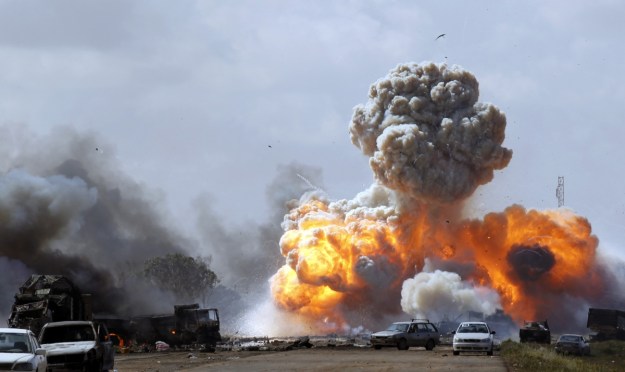
(source)
The “capital” of the Islamic State (IS) in Libya, Sirte, has fallen to pro-government militias. “Our forces have total control of Sirte,” claimed one spokesman on Monday. “Islamic State’s rule over Sirte is now over,” said another. That was slightly premature, though it does appear that the city fell entirely around mid-afternoon yesterday. Regardless, it is clear that IS’s hold on Sirte is soon to be at an end. Positive as this development is, it is what happens after IS’s grip on urban areas is broken that will determine the durability of this victory. IS will remain a disruptive force for some time no matter what happens next, and for that reason it is important to continue military operations in pursuit of IS in its rural sanctuaries. But IS is a symptom of Libya’s political problems, not their cause. Without a government that solves some of those original problems, and has the legitimacy and capacity to keep IS out, the group will rise again. Continue reading

 Kyle Orton's Blog