By Kyle Orton (@KyleWOrton) on 31 July 2023

By Kyle Orton (@KyleWOrton) on 7 July 2022
By Kyle Orton (@KyleWOrton) on October 4, 2020
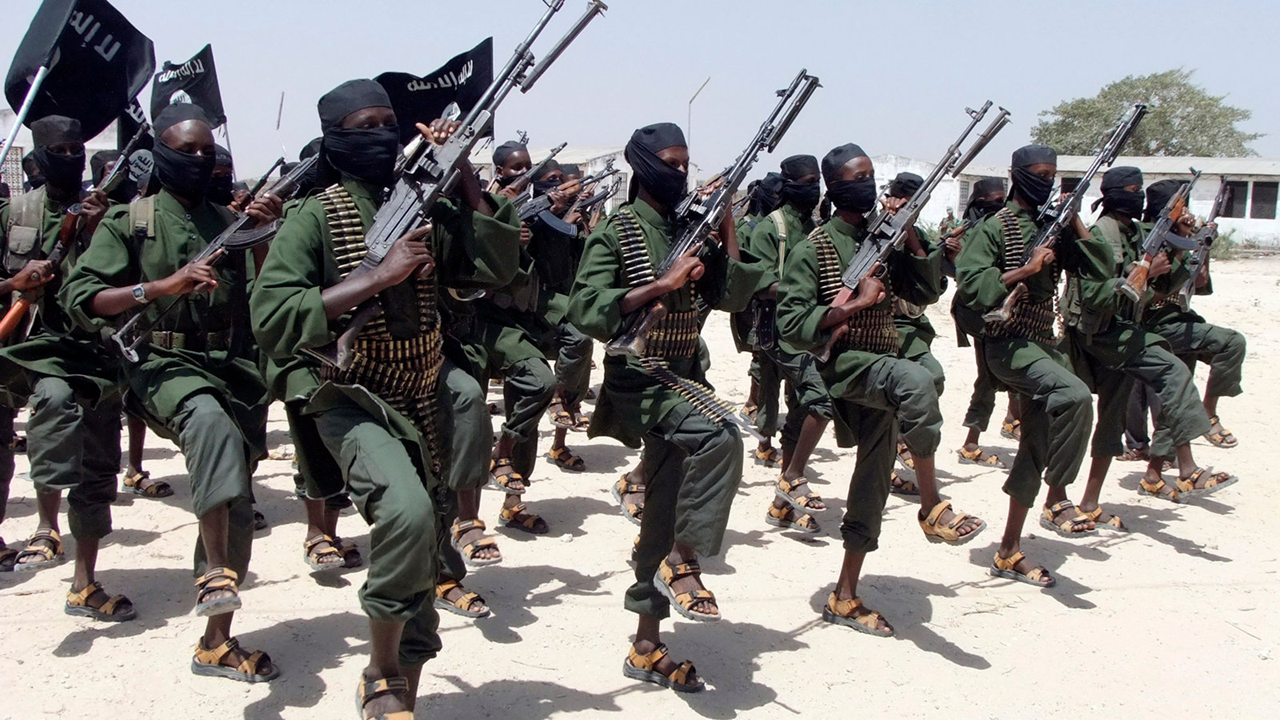
A chapter about Al-Qaeda I wrote for the American Foreign Policy Council’s (AFPC) ‘World Almanac of Islamism’ was published today. Do check it out, and the broader site, which is a great, accessible resource. The format of the website necessitated that the chapter as I submitted it was edited, condensed, and split up to fill out the various categories. In case it is of any interest, the original version of the chapter is reproduced below.
By Kyle Orton (@KyleWOrton) on September 11, 2020
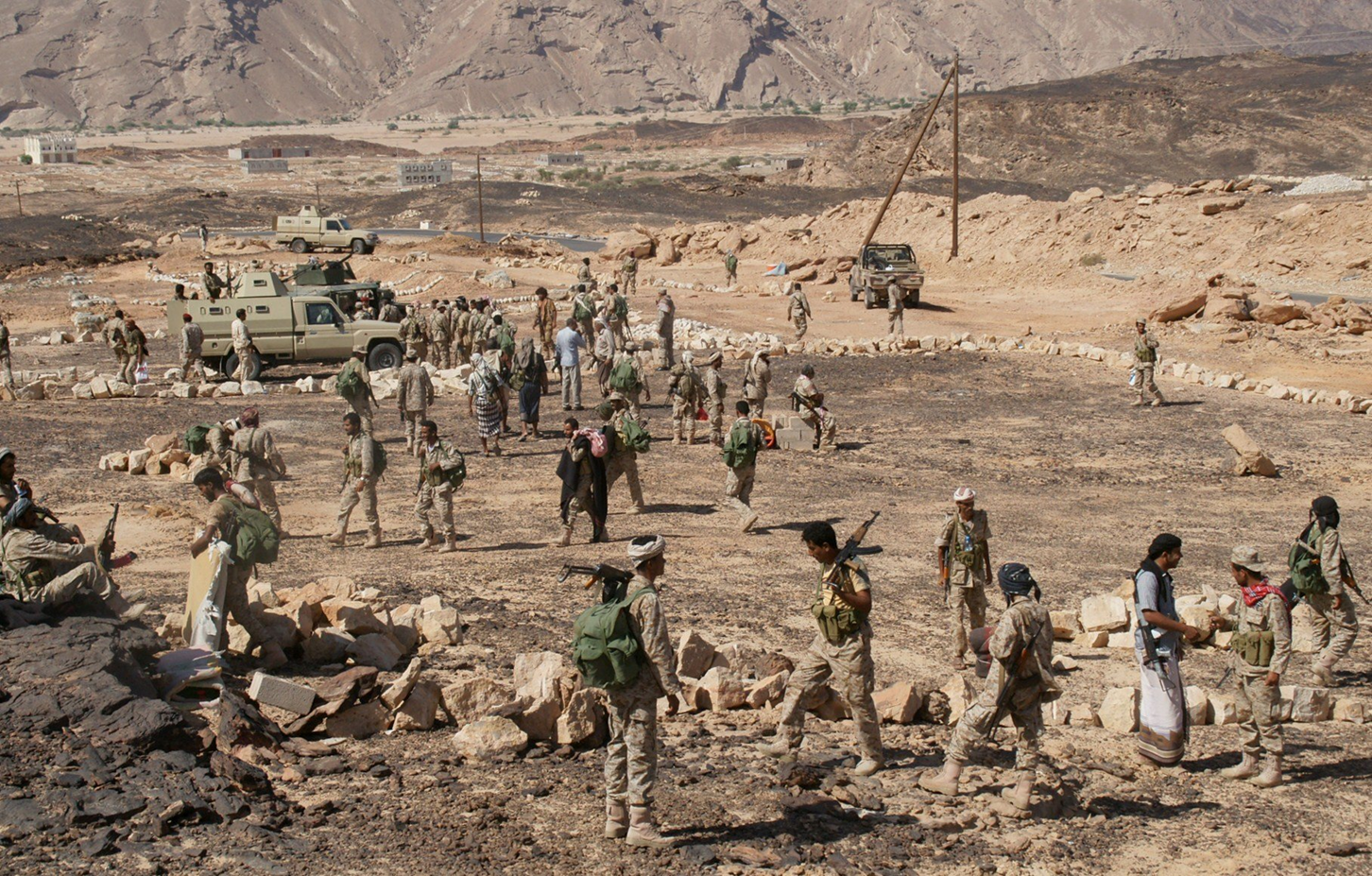
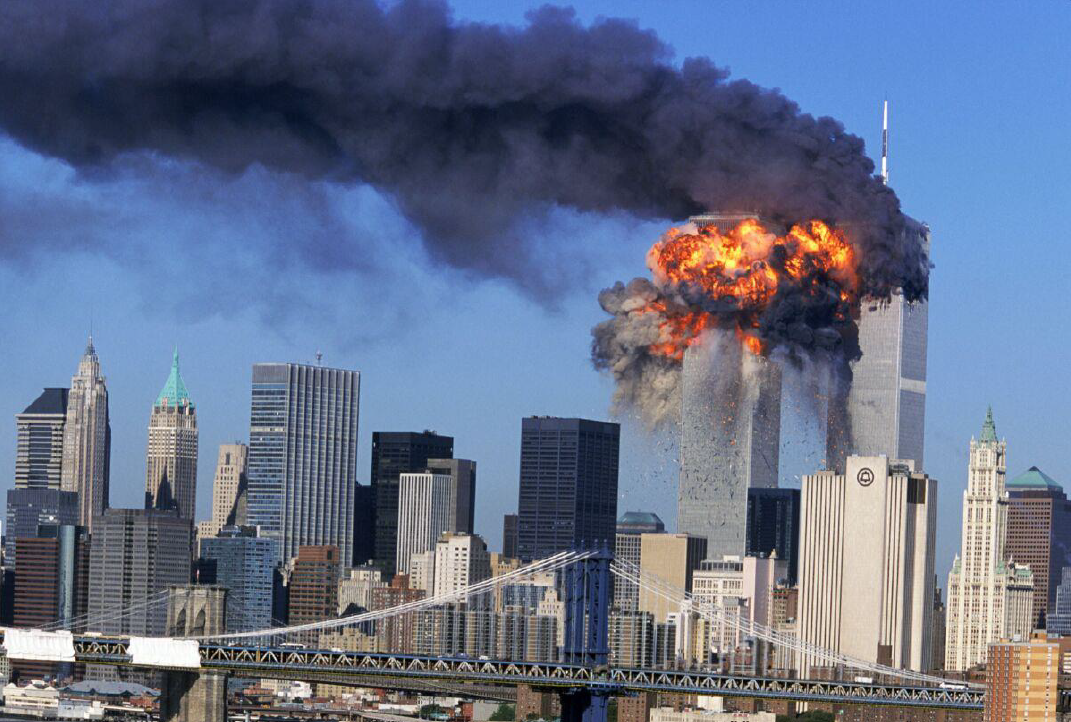
In writing a chapter earlier this year about the current status of Al-Qaeda, part of the process was reviewing the organisation’s history since its formation in the late 1980s. What really struck me was how extensively Al-Qaeda is now manipulated, under the influence of, and in places even controlled by state powers. To mark the nineteenth anniversary of 9/11, I thought I could give a brief sketch of this development.
By Kyle Orton (@KyleWOrton) on 23 January 2020
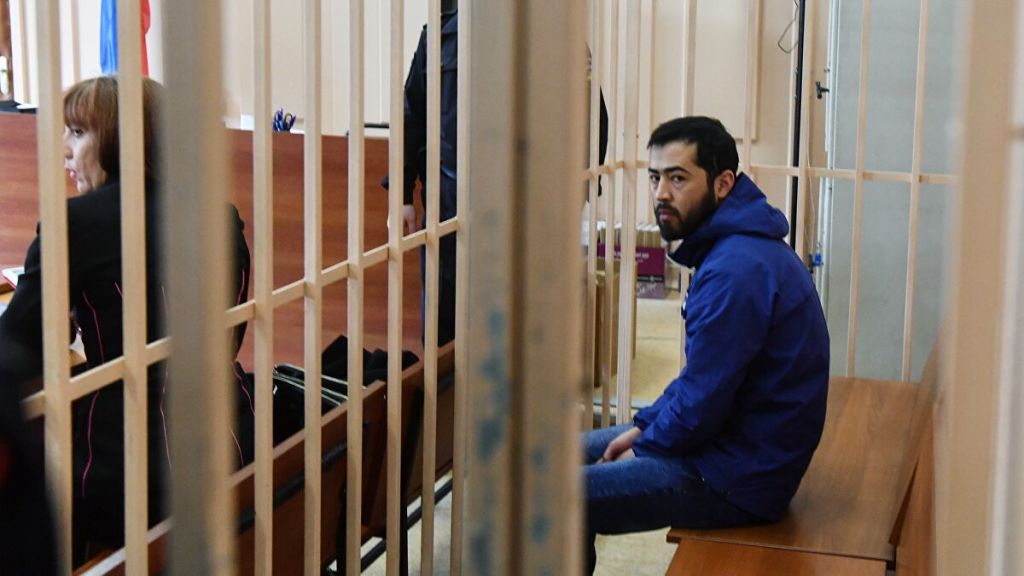
Abror Azimov in detention // Source: Alexey Kudenko
In July 2019, I co-wrote an article for Haaretz about the Russian legal case relating to the alleged suicide bombing of the St. Petersburg metro on 3 April 2017 as it then stood. To make a long story short: none of the “facts” derived from the Federal Security Service (FSB) investigation could be taken at face value—literally none. A key assertion from the Kremlin was that the Petersburg attack was directed from outside by an Al-Qaeda-linked group in Syria, for which no evidence was provided, but the issues with the case went much deeper. As fundamental a fact as the identity of the alleged suicide bomber was in question. Indeed, it was worse than that: the Russian state refused, when questioned, to say whether this “suicide bomber” was dead, raising a question about whether the Petersburg atrocity was a suicide-attack at all. Last month, the Russian government in effect closed the book on this case by sentencing eleven people it claims were implicated in it; none of the questions raised during the trial have been answered, and nor are they ever likely to be now. Continue reading
By Kyle Orton (@KyleWOrton) on 8 July 2019
This article was originally published at the European Eye on Radicalization

The main issue that Nine Lives has to overcome is the one that has attended Aimen Dean (a pseudonym) since he went public in March 2015 with an interview he gave to the BBC, claiming he had been a British spy within Al-Qaeda between 1998 and 2006. That issue is overcoming the doubts about his story. Nine Lives goes a long way to solving this by bringing in Paul Cruickshank, the editor-in-chief of CTC Sentinel, one of the premier academic resources in the terrorism field, and Tim Lister, a terrorism-focused journalist with CNN, as co-authors. As well as helping structure the book from Dean’s memories, the two co-authors note they had been able to “corroborate key details” that convinced them: “In the years immediately leading up to and following 9/11, Aimen Dean was by far the most important spy the West had inside al-Qaeda”.
Continue readingThis article was originally published at European Eye on Radicalisation
By Kyle Orton (@KyleWOrton) on 16 April 2019
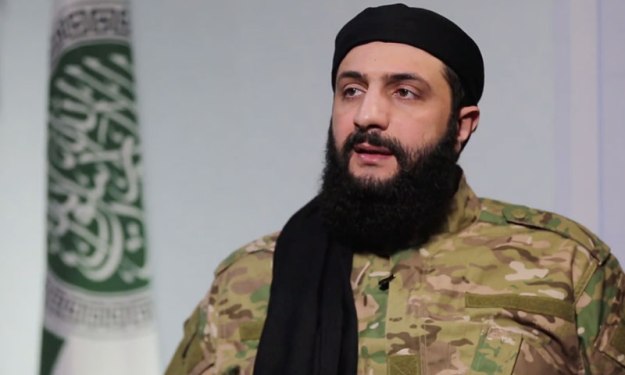
Ahmad al-Shara (Abu Muhammad al-Jolani) [image source]
Several years ago, Al-Qaeda made a strategic decision to refrain from foreign terrorist operations, refocusing away from these global spectaculars towards integrating more closely into local conflicts. The 2014 rampage across Iraq and Syria by Al-Qaeda’s rebellious former Iraqi branch, the Islamic State (ISIS), provided both the opportunity and additional incentive for a long-mediated rebranding effort. However, there have recently been signs of a shift back towards external terror operations, just as ISIS undergoes a setback and Al-Qaeda has a chance to reassert its dominance over the jihadi scene. Continue reading
By Kyle Orton (@KyleWOrton) on 30 June 2017

Abdirahman Sheik Mohamud (source)
In April 2015, a United State Federal Grand jury in Ohio charged Abdirahman Sheik Mohamud, also known as “Ayanle”, with three terrorism-related offences. Yesterday, court records were unsealed that revealed that Mohamud pleaded guilty to all charges, admitting to having fought with a terrorist organization in Syria and returned to the United States with the intention of carrying out an act of domestic terrorism. Mohamud was in contact with foreign terrorist operatives throughout the period he was plotting an attack within the United States. But—and this is the most significant aspect of the case—Mohamud was not in contact with one of the Islamic State’s intelligence operatives, who guide attacks in a manner now relatively well-understood. Instead, Mohamud was in contact with Jabhat al-Nusra, at that time al-Qaeda’s declared branch in Syria. Al-Nusra is now known as Hay’at Tahrir al-Sham (HTS) and claimed in July 2016 to have disaffiliated from al-Qaeda’s “central”, not that this has (nor will nor should) remove HTS from the terrorism list. Regardless of its formal status within al-Qaeda’s command structure, HTS retains significant links with al-Qaeda’s global networks, and a breakaway group from HTS in Syria has reaffirmed its loyalty to al-Qaeda. Mohamud’s case is an extremely important data point in assessing the risk these overlapping and mutually reinforcing entities pose to the West and the wider world. Continue reading


 Kyle Orton's Blog