Tag Archives: Awakening

The Islamic State’s Lessons-Learned About Insurgency

By Kyle Orton (@KyleWOrton) on 5 October 2018

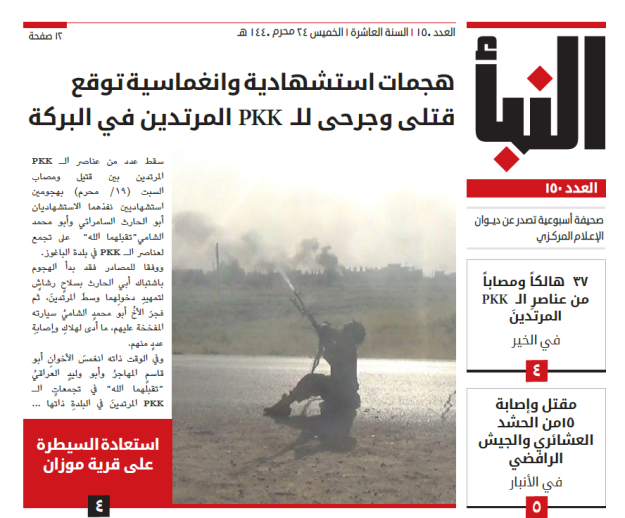
Al-Naba 150

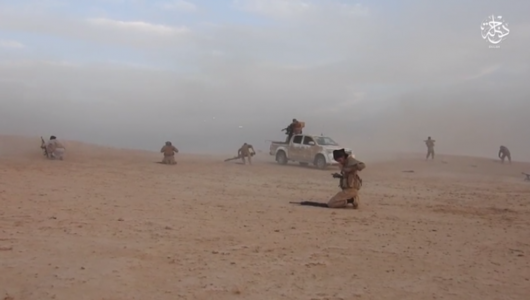
The 150th edition of Al-Naba, the Islamic State’s (IS) weekly newsletter, was published on 4 October. IS focused on the progress of its guerrilla campaign in “Syraq” since the collapse of the caliphate, and gave a historical explanation of how it developed its insurgent methodology. Continue reading

The State of Play in Syria and Iraq on the Eve of the Idlib Offensive

By Kyle Orton (@KyleWOrton) on 29 August 2018

Two ideas that have become quite prevalent are that the Islamic State is defeated or on its way to defeat and that the Syrian war is winding down. Both are gravely mistaken. Continue reading

Reviewing the Iraqi Surge and Awakening

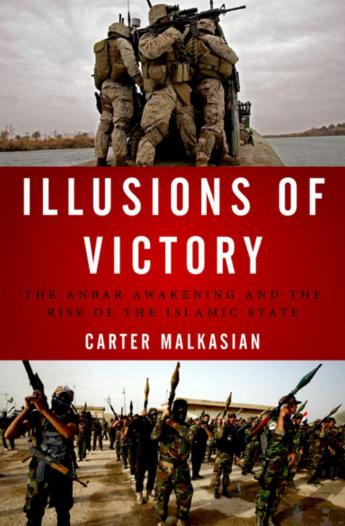
Book Review: Carter Malkasian, ‘Illusions of Victory’, Oxford University Press, 2017. pp. 280.

By Kyle Orton (@KyleWOrton) on 4 July 2018

Carter Malkasian sets out in Illusions of Victory: The Anbar Awakening and the Rise of the Islamic State to upend the conventional understanding of the campaign against the Islamic State (IS) movement, known at the time as al-Qaeda in Iraq (AQI), in Anbar province of western Iraq. Continue reading

Islamic State Official Spokesman Proclaims “the State” in 2006

By Kyle Orton (@KyleWOrton) on 17 March 2018

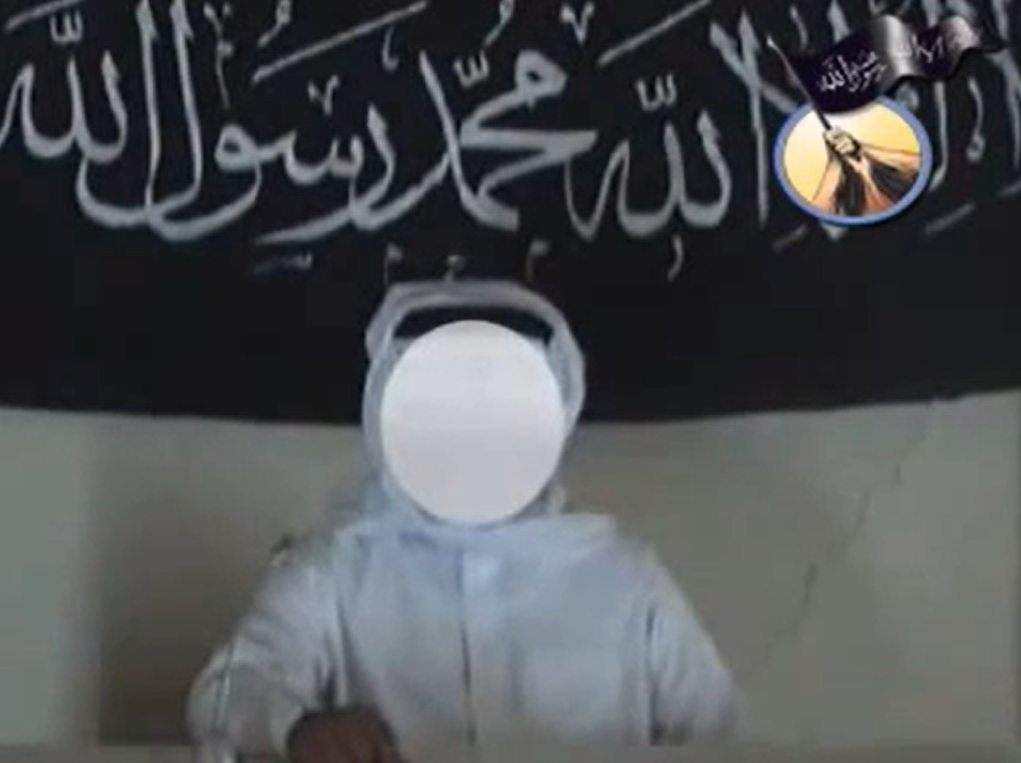
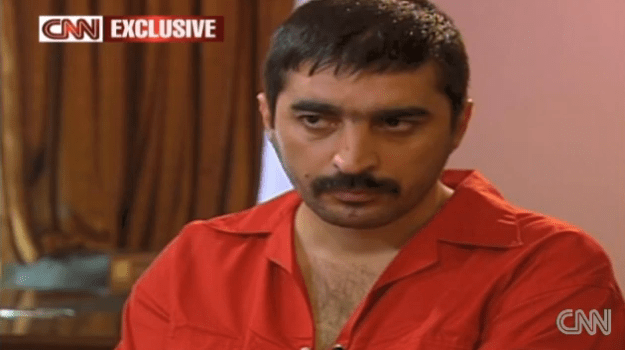
A video statement was put out on 15 October 2006 by the official spokesman of what was then called the Mujahideen Shura Council (al-Majlis Shura al-Mujahideen or MSM), the entity in which Al-Qaeda in Iraq (AQI) had nominally subsumed itself in January 2006, announcing the creation of the Islamic State of Iraq (ISI). The MSM spokesman, Muharib al-Jubouri, seen above, who had not been in the job long—the first AQI/MSM spokesman, Abu Maysara al-Iraqi, had been killed a few months earlier—was now the ISI spokesman,[1] and his speech made clear that a coalition of tribesmen and insurgents announced by MSM three days earlier, the Alliance of the Scented Ones (Hilf al-Mutayibeen), was also incorporated in this “State”. The transcript of Muharib’s speech, entitled (unimaginatively enough), “Announcement on the Establishment of the Islamic State of Iraq”, is translated below.

Continue reading

Islamic State Officially Gives Up the Caliphate, Returns to Insurgency

By Kyle Orton (@KyleWOrton) on 15 November 2017

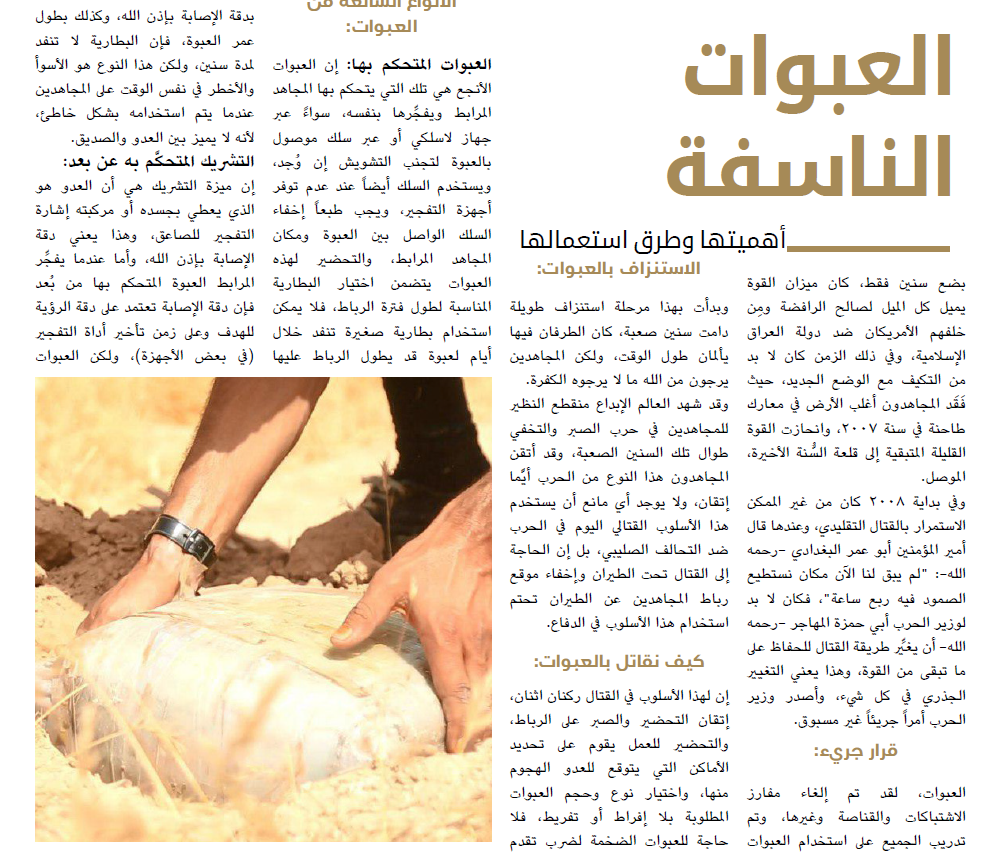
Al-Naba 101, page 8

In the 101st edition of the Islamic State’s weekly newsletter al-Naba (page 8-9), released on 12 October 2017, the organisation gave some fascinating details about how they responded to the “defeat” inflicted on them in 2007-08 by the American surge and the tribal Sahwa (Awakening) forces. The article describes how IS switched wholly to insurgent-terrorist tactics, dismantling its conventional fighting units and even its sniper teams in March 2008, and training in hit-and-run bombings. The leadership at that time, the emir Hamid al-Zawi (Abu Umar al-Baghdadi) and his deputy, the “first minister” and the “war minister” Abdul Munim al-Badawi (Abu Hamza al-Muhajir), encountered some initial scepticism, but the rank-and-file soon came on board when they saw its effectiveness. IS says that it is time to return to this form of warfare. In short, IS marked a switch in al-Naba 101 entirely from the statehood and governance phase of its revolutionary warfare, back into insurgency mode. The article is reproduced below. Continue reading

Don’t Celebrate the Fall of Raqqa Just Yet

By Kyle Orton (@KyleWOrton) on 24 October 2017

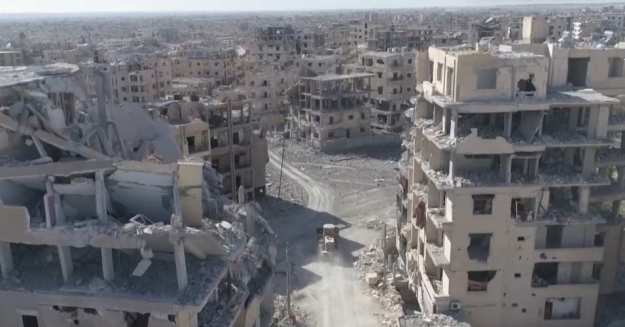
Raqqa city has been destroyed (image source)

The Islamic State (IS) captured Raqqa city, its first provincial capital, in January 2014. Six months later, IS declared its caliphate and Raqqa became its de facto capital. Last Tuesday, the partner force of the US-led anti-IS Coalition, the “Syrian Democratic Forces” (SDF), entered the city centre in Raqqa. A deal had evacuated most of the remaining jihadists over the prior weekend, though a determined core remained and still held about 10 per cent of the city. The caliphate is crumbling and the Coalition says IS has 6,500 fighters left. According to the Coalition, this puts IS “on the verge of a devastating defeat”. Unfortunately, there is no reason to believe this is true. To the contrary, IS is more powerful at this point, in theatre, even after the military reverses inflicted on it by the Coalition, than in the period after the “defeat” of 2008, and the outlook is more favourable now to IS. Moreover, IS now has an international reach, physically and ideologically, it did not previously possess. Continue reading

Signs of Recovery for the Islamic State

By Kyle Orton (@KyleWOrton) on April 22, 2017

The operation to clear the Islamic State (IS) from its Iraqi capital, Mosul, began on 17 October and is now 188 days old. IS was announced cleared from east Mosul on 25 January, and the offensive that began on 19 February to clear the more densely-populated and difficult west Mosul has ostensibly swept IS from sixty percent of that area. Official sources claim IS now controls less than seven percent of Iraqi territory, down from forty percent in 2014. But yesterday, a car bomb struck Zuhur, the first attack of this kind in east Mosul since February, murdering at least four people. This is part of a pattern of attacks that suggests the Mosul operation itself was rushed and more importantly that IS is already recovering in liberated areas. Continue reading

The Islamic State Explains Its Secret To Success

By Kyle Orton (@KyleWOrton) on February 11, 2017

2016-12-20-wilayat-dijla-tigris-4

On 28 September 2008, the emir of the Islamic State’s predecessor, the Islamic State of Iraq (ISI), Hamid al-Zawi (Abu Umar al-Baghdadi), released an audio statement, his twelfth such, entitled, “The Promise Of God”. An English version of al-Zawi’s speech was released by the Islamic State and is reproduced below with some interesting sections highlighted in bold. Continue reading

A Turncoat Still Loved By the Islamic State: Manaf al-Rawi

By Kyle Orton (@KyleWOrton) on January 29, 2017

Manaf al-Rawi

Manaf al-Rawi

Manaf Abdul Rahim al-Rawi was the leader of operations in Baghdad for the Islamic State of Iraq (ISI), the predecessor to the Islamic State (IS), between 2008 and his arrest in 2010. Al-Rawi had been with IS from its earliest days and his arrest in 2004 only advanced him through the ranks as he networked in prison. Upon release and assumption of the post of wali (governor) of Baghdad, al-Rawi was responsible for some of the worst atrocities in 2009 and 2010 in that city. Al-Rawi was executed in prison in 2013. Continue reading

The Flag of the Islamic State

By Kyle Orton (@KyleWOrton) on January 27, 2017

The Islamic State’s June 2014 declaration that the areas it controlled were the restored “Caliphate” was seen by many as a novel development. In fact, “the State” was declared in October 2006. The next month, the predecessor of the Islamic State (IS), Al-Qaeda in Mesopotamia (AQM), dissolved itself, and a month after that the claim to statehood was expanded upon—while being wilfully ambiguous about the caliphal pretensions—in the first speech by the then-emir, Hamid al-Zawi (Abu Umar al-Baghdadi). Similarly, though confusion remains on the point, it was in this same period that the symbol of the Islamic State, its black flag, was established.

Continue reading