By Kyle Orton (@KyleWOrton) on 3 January 2025
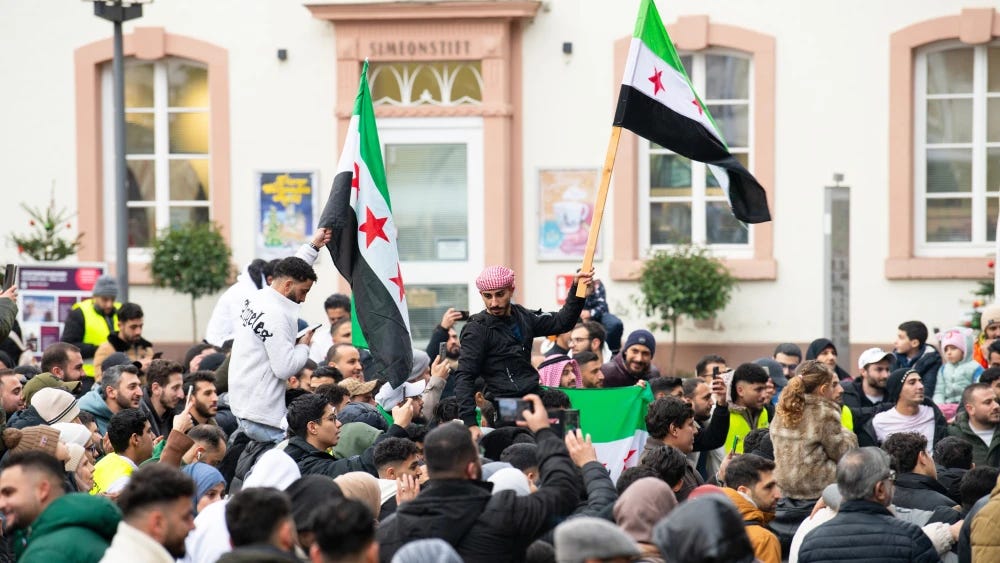
By Kyle Orton (@KyleWOrton) on 18 June 2024

By Kyle Orton (@KyleWOrton) on 22 July 2022
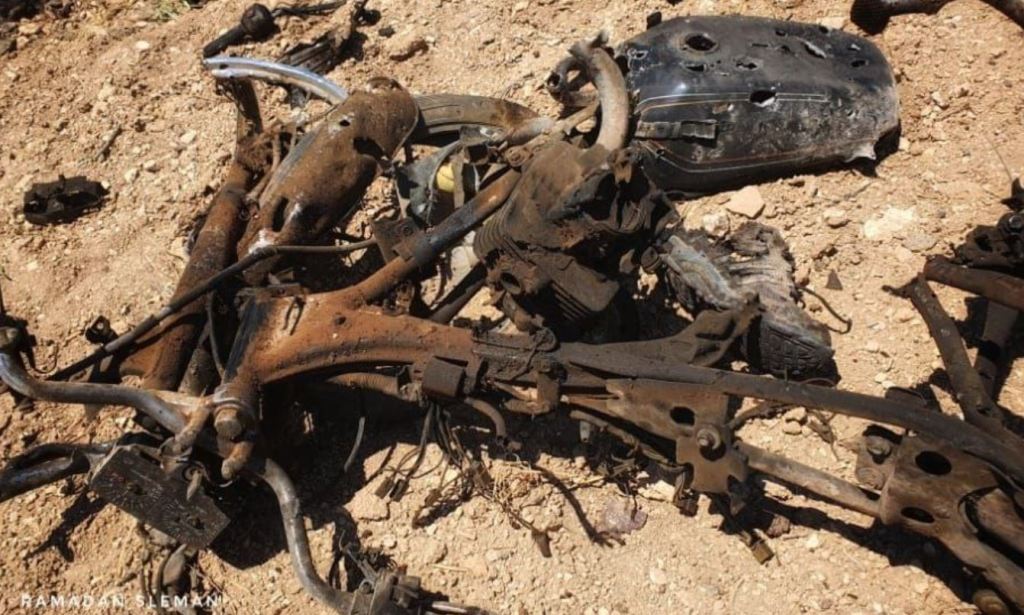
The United States announced on 12 July that it had killed the Islamic State’s (ISIS) governor of Syria in a drone strike in the village of Galtan in the Jinderes district of the north-western Syrian province of Efrin on the border with Turkey. The U.S. Central Command (CENTCOM) statement identified the slain man as “Maher al-Agal”, though a more precise transliteration is Maher al-Aqal (ماهر العقال). Riding on the motorcycle alongside Al-Aqal when he was killed was a “senior ISIS official” with whom he was “closely associated”. This ISIS official was “seriously injured during the strike”, CENTCOM notes, adding that the Jinderes strike caused no civilian casualties. Continue reading
By Kyle Orton (@KyleWOrton) on 13 December 2021

Grigori Rasputin
Grigori Rasputin, a Siberian peasant holy man, was a presence at the Russian Court between 1908 and his murder in 1916. Even so, Rasputin would only have been one figure among many and not be so notable in history, except for the fact that he gained significant political influence in his last couple of years due to his friendship with the Tsar’s wife. The degree of influence Rasputin exerted and the stories of his debauched behaviour have often been wildly exaggerated—at the time and since. But the stories did have a basis in fact—the Tsarina had fused together her personal forays in mysticism with her political role—and the stories themselves, lurid and defamatory as many of them were, had a concrete effect in damaging the monarchy as Revolution loomed. Continue reading
By Kyle Orton (@KyleWOrton) on September 11, 2020
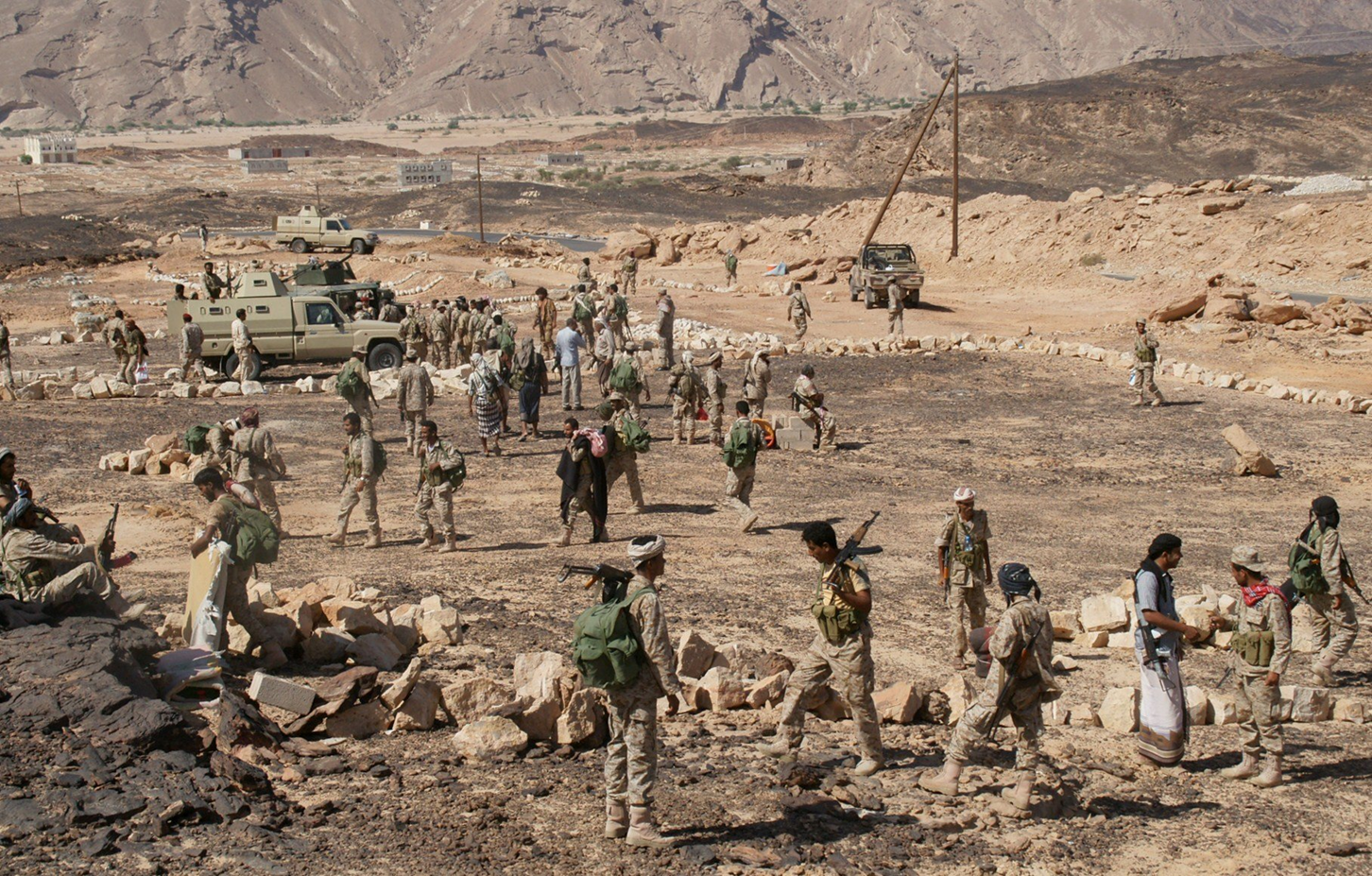
In writing a chapter earlier this year about the current status of Al-Qaeda, part of the process was reviewing the organisation’s history since its formation in the late 1980s. What really struck me was how extensively Al-Qaeda is now manipulated, under the influence of, and in places even controlled by state powers. To mark the nineteenth anniversary of 9/11, I thought I could give a brief sketch of this development.
By Kyle Orton (@KyleWOrton) on 22 July 2019
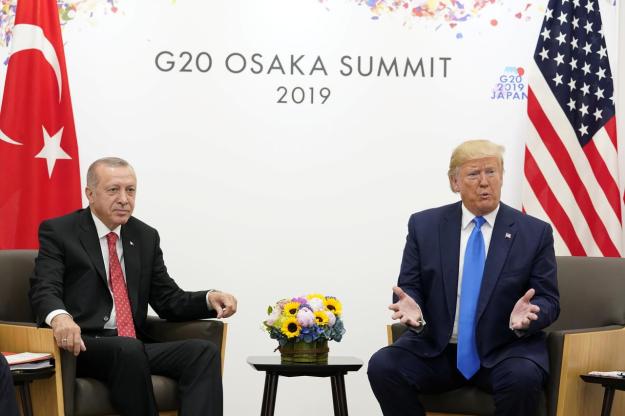
U.S. President Donald Trump and Turkey’s President Recep Tayyip Erdogan meeting during the G20 leaders summit in Osaka, Japan, 29 June 2019 [image source]
By Kyle Orton (@KyleWOrton) on 5 September 2018

In less than a week, it will be the seventeenth anniversary of al-Qaeda’s “Plane’s Operation”, the assault on the United States. It is a vertiginous enough reflection that many of us have been alive more years since 11 September 2001 than before it, and positively alarming that many of those who will soon move into the government, media, and other leading societal institutions will have been born after an event that still shapes so much of the international scene. As Anthony Summers and Robbyn Swan put it in The Eleventh Day: The Ultimate Account of 9/11 (2011), we are left with “the brief name ‘9/11’,” the context and meaning stripped away all this time later. The book is a useful overview of an event that should always be to some degree fresh in mind, though it is not without its problems in its analytical sections. Continue reading

 Kyle Orton's Blog