Tag Archives: Iraq

What Questions Remain About 9/11?

By Kyle Orton (@KyleWOrton) on 5 September 2018

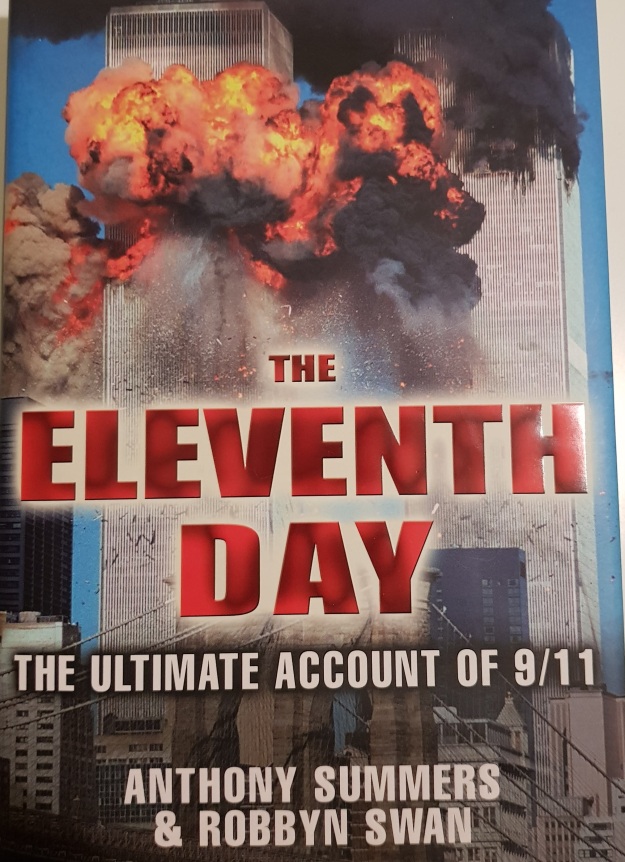
In less than a week, it will be the seventeenth anniversary of al-Qaeda’s “Plane’s Operation”, the assault on the United States. It is a vertiginous enough reflection that many of us have been alive more years since 11 September 2001 than before it, and positively alarming that many of those who will soon move into the government, media, and other leading societal institutions will have been born after an event that still shapes so much of the international scene. As Anthony Summers and Robbyn Swan put it in The Eleventh Day: The Ultimate Account of 9/11 (2011), we are left with “the brief name ‘9/11’,” the context and meaning stripped away all this time later. The book is a useful overview of an event that should always be to some degree fresh in mind, though it is not without its problems in its analytical sections. Continue reading

The State of Play in Syria and Iraq on the Eve of the Idlib Offensive

By Kyle Orton (@KyleWOrton) on 29 August 2018

Two ideas that have become quite prevalent are that the Islamic State is defeated or on its way to defeat and that the Syrian war is winding down. Both are gravely mistaken. Continue reading

Turkey’s War Against the PKK on the Near Abroad

By Kyle Orton (@KyleWOrton) on 21 August 2018

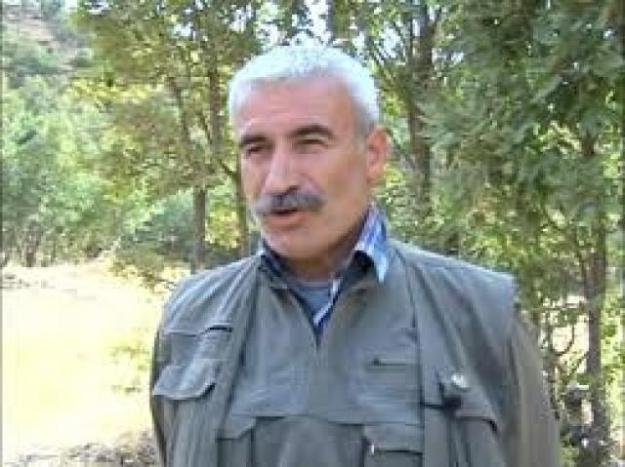
Ismail Özden (image source)

Turkey killed a senior operative of the Kurdistan Workers’ Party (PKK), the internationally-recognised terrorist organisation and narcotics trafficking entity that has been at war with the Turkish state since 1984, in Iraq last week. Turkey launched a wave of airstrikes against PKK targets in Syria and Iraq in April 2017 and for the last several months Ankara has been widening its campaign against the PKK outside Turkey’s borders, particularly in Iraq, where the PKK is not protected by the United States, as it is in eastern Syria. Having feinted in June toward an attack on the historic PKK headquarters in the Qandil Mountains—a somewhat symbolic target at this stage, with the bulk of the PKK’s leadership and resources in Syria—it appears the Turks have opted for a more targeted approach.

This operation underscores the continuance of U.S.-Turkey relations, and the mutual benefits of the relationship, even in its current damaged state, where both sides have a laundry list of legitimate grievances with the other. If a formula for normalisation can be found, the potential to contain and weaken some of the worst, most destabilising elements in the region, saliently the PKK and the Iranian regime, is within reach. Continue reading

The Legacy of Kofi Annan

By Kyle Orton (@KyleWOrton) on 19 August 2018

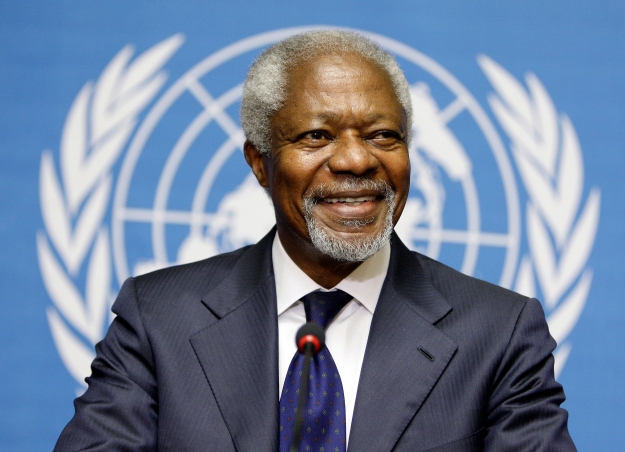
Kofi Annan (picture source)

Kofi Annan, the Secretary-General of the United Nations between 1997 and 2006, died yesterday aged 80. Annan and the U.N. received the Nobel Peace Prize in 2001, and he was credited with “bringing new life to the organization” and emphasising “its obligations with regard to human rights”. The reality was quite different, and Annan’s disastrous record was hardly confined to his time at the helm. Both before (as head of the U.N. peacekeeping department) and after (as U.N. and Arab League envoy to Syria), Annan presided over some of the institution’s worst catastrophes. Continue reading

Australia’s No-Nonsense Approach to the PKK

By Kyle Orton (@KyleWOrton) on 17 August 2018

Funeral for the victims of the TAK/PKK terrorist attack on the Besiktas football stadium in Istanbul, December 2016. Photograph: Sedat Suna/EPA

The Kurdistan Workers’ Party (PKK), the separatist group in Turkey that is a designated terrorist organisation across much of the West, has always used a vast array of front-groups in the West to raise funds and recruit. After 9/11, with the advent of the War on Terror, the PKK switched tactics in the region to try to conceal its operations and avoid the “terrorism” label. This involved rebranding its operations in Iraq, Syria, and Iran, and setting up a special forces-style urban terrorism wing, the Kurdistan Freedom Falcons (TAK), to deniably carry out its most atrocious activities. The PKK’s rebranding has not been without success. In Australia, however, the government has refused to accept the PKK’s propaganda about TAK and lists it, quite correctly, as simply an alias for the PKK. Continue reading

Turkey’s Upcoming Foreign Policy Challenges

By Kyle Orton (@KyleWOrton) on 12 July 2018

American troops look out toward the border with Turkey from a small outpost near the town of Minbij, 7 Feb. 2018 (AP Photo/Susannah George)

As Turkey moves past last month’s election, the foreign policy challenges remain acute, particularly in Syria, and there is a looming confrontation with the United States over sanctions on Iran that might undo the recent progress toward the normalisation of U.S.-Turkish relations. Continue reading

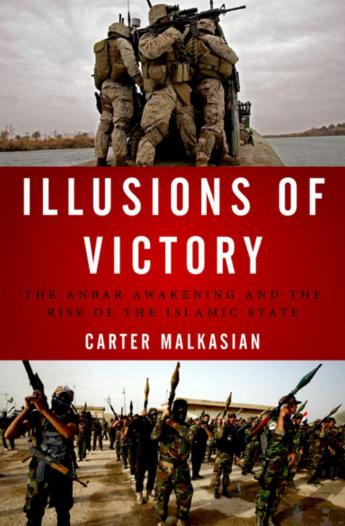
Reviewing the Iraqi Surge and Awakening

Book Review: Carter Malkasian, ‘Illusions of Victory’, Oxford University Press, 2017. pp. 280.

By Kyle Orton (@KyleWOrton) on 4 July 2018

Carter Malkasian sets out in Illusions of Victory: The Anbar Awakening and the Rise of the Islamic State to upend the conventional understanding of the campaign against the Islamic State (IS) movement, known at the time as al-Qaeda in Iraq (AQI), in Anbar province of western Iraq. Continue reading

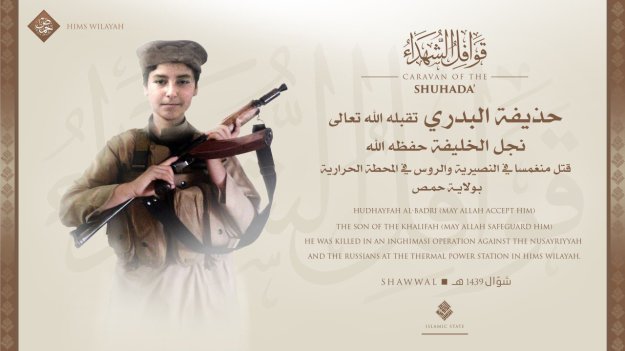
The Death of the Caliph’s Son

By Kyle Orton (@KyleWOrton) on 3 July 2018

Message on the death of Hudayfa al-Badri, released by the Islamic State, 3 July 2018

At around 21:00 on 3 July 2018, in the middle of England’s World Cup match with Colombia, news broke that a son of Islamic State’s leader, Ibrahim al-Badri (Abu Bakr al-Baghdadi), had been killed in Homs, western Syria. Continue reading

Islamic State Focuses on the Rival “Religion of Democracy” as its Insurgency Escalates

By Kyle Orton (@KyleWOrton) on 25 May 2018

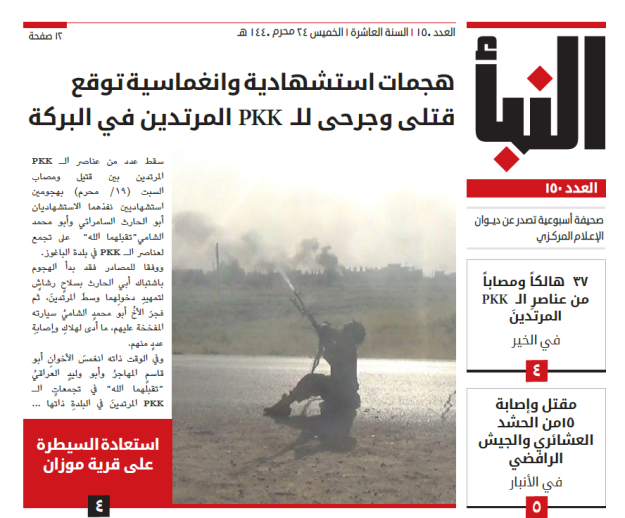
Al-Naba 132

The Islamic State released the 132nd edition of Al-Naba, its newsletter, on 18 May. Continue reading

Obituary: Bernard Lewis

By Kyle Orton (@KyleWOrton) on 20 May 2018

Bernard Lewis, the great historian of the Middle East, died yesterday, aged 101.

Continue reading