By Kyle Orton (@KyleWOrton) on 31 March 2026
By Kyle Orton (@KyleWOrton) on 25 January 2026
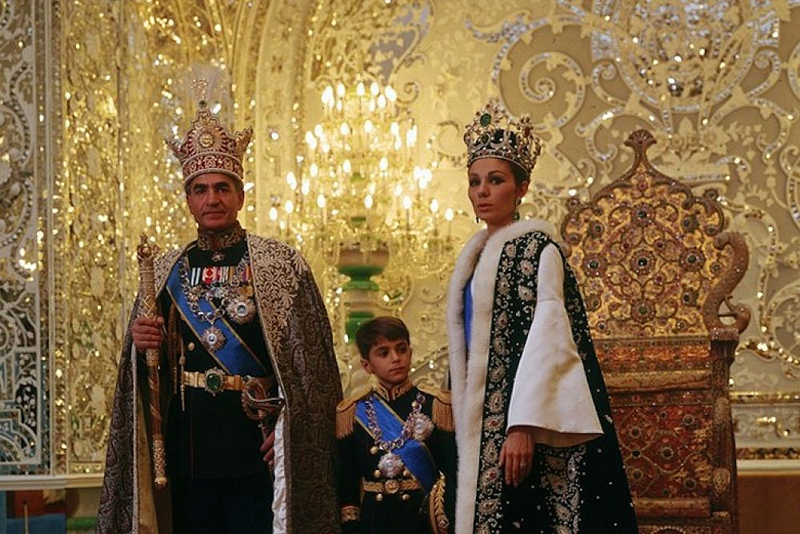
The idea of sacral Monarchy stretches back to the foundations of the Persian Empire under Cyrus the Great, over 2,500 years ago, who ruled as Shahanshah (King of Kings), an office originating with the Zoroastrian deity Ahura Mazda, and all Kingly successes were attributed to this god. It is this sense of Persian Kings as vessels for divine will that explains why they are so anonymous when compared to, say, the Roman Caesars: what mattered was the role, not the idiosyncrasies of the individual playing it.





 Kyle Orton's Blog