Tag Archives: Islam

The Contents of Islamic State’s Weekly Newsletter ‘Al-Naba’ in August 2022

By Kyle Orton (@KyleWOrton) on 4 September 2022
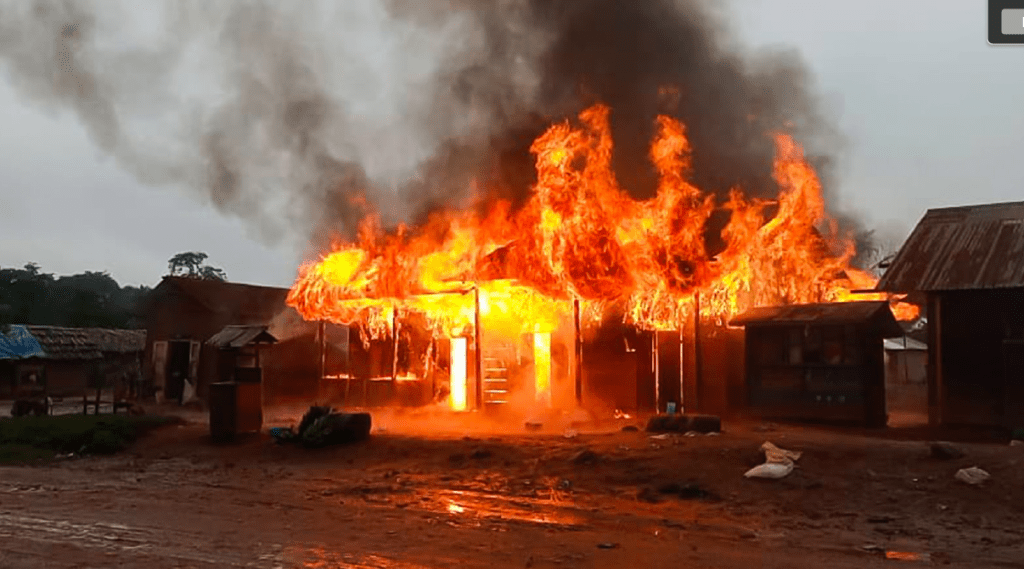
Christian homes burned by the Islamic State in the Ituri region of the Democratic Republic of the Congo || Al-Naba 352, p. 5

Continue reading

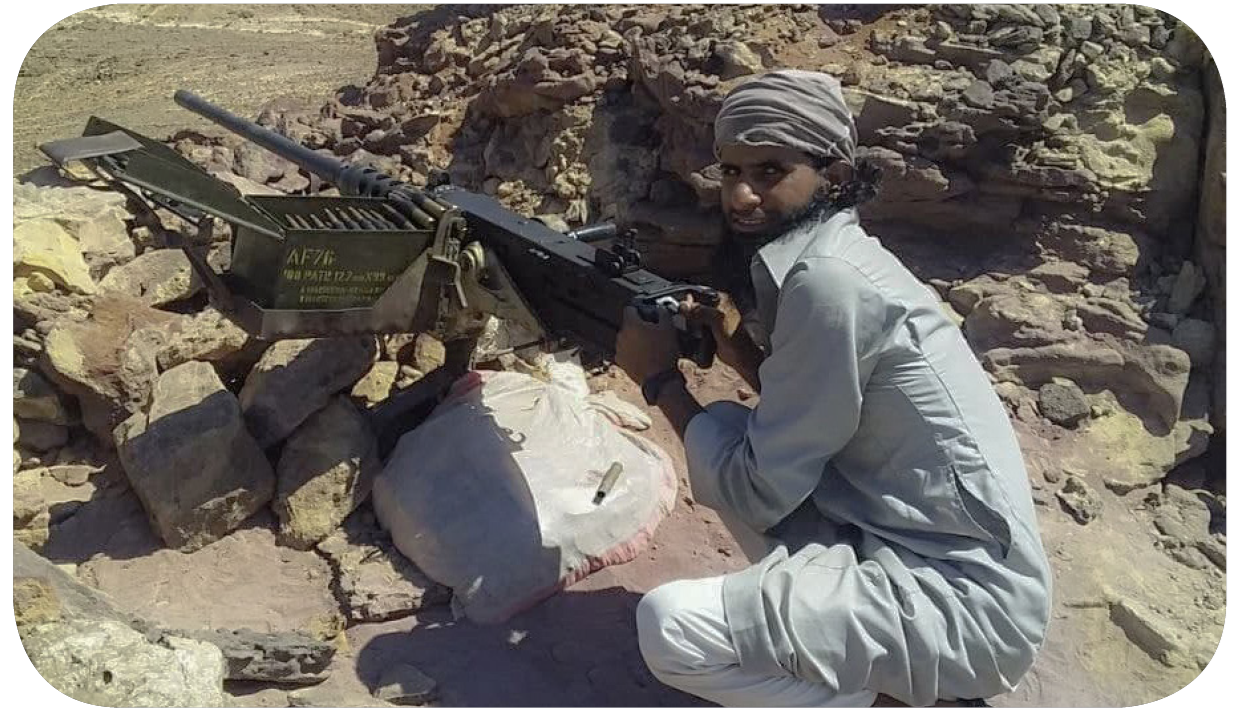
Islamic State Describes Running an Insurgency From the Syrian Desert

By Kyle Orton (@KyleWOrton) on 1 September 2022

Al-Naba 349, p. 8

Continue reading

Africa Dominates Two Months of Islamic State Propaganda

By Kyle Orton (@KyleWOrton) on 31 August 2022
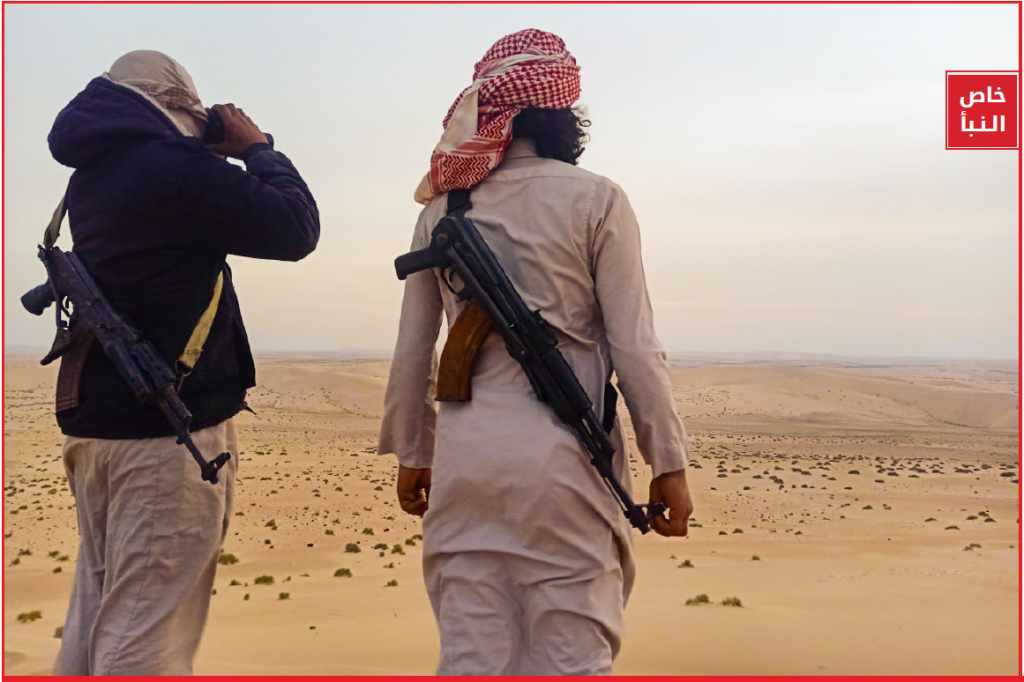
Islamic State fighters from Wilayat Sinai in Egypt || Al-Naba 348, p. 5

Continue reading

Saddam Relative Arrested in Lebanon, Accused of Islamic State Crimes

By Kyle Orton (@KyleWOrton) on 24 August 2022
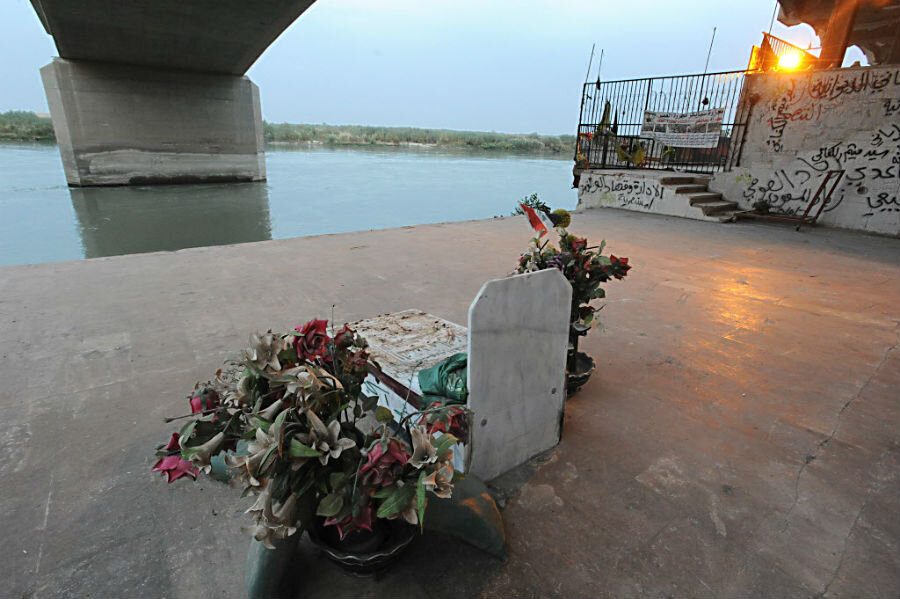
Area on the banks of the Tigris where the cadets of Camp Speicher were massacred by the Islamic State || Scott Peterson/The Christian Science Monitor

Continue reading

Britain’s Latest Surrender to its Unspoken Islamic Blasphemy Law

By Kyle Orton (@KyleWOrton) on 13 June 2022
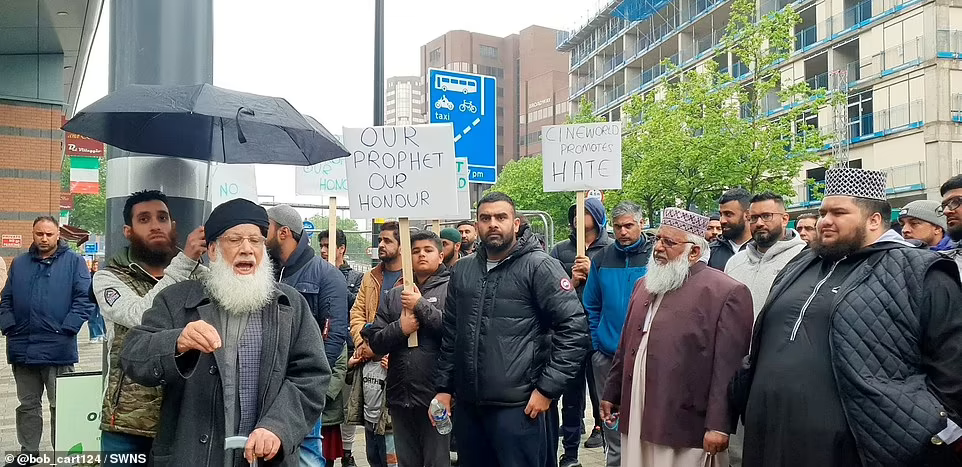
Muslim protesters outside the Cineworld in Birmingham demand ‘The Lady of Heaven’ film is banned, 5 June 2022 [image source]
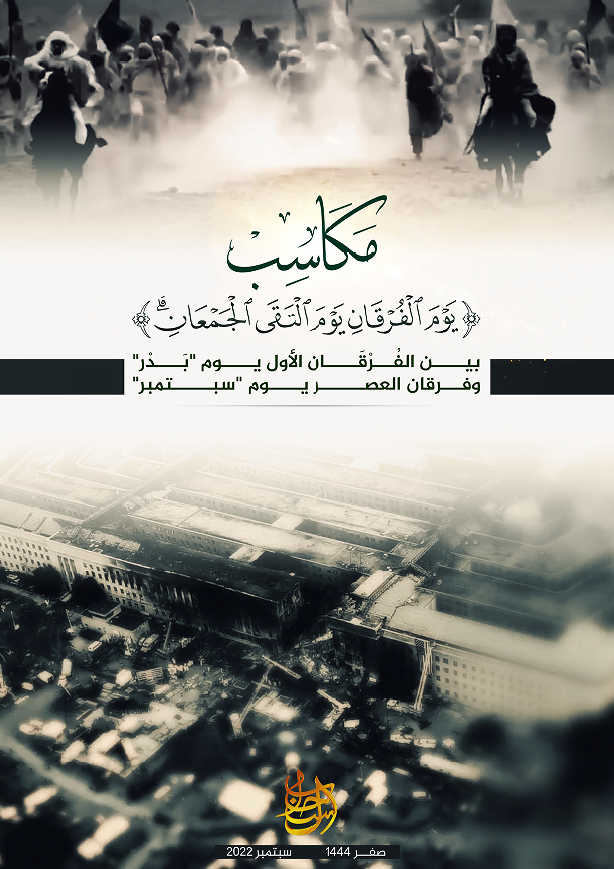
Continue reading

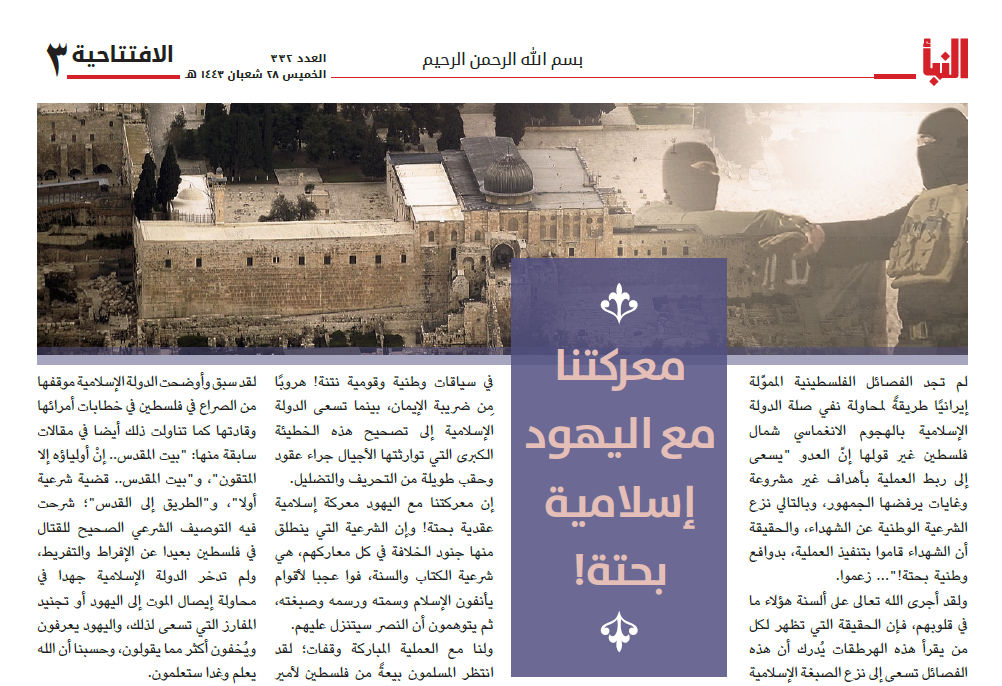
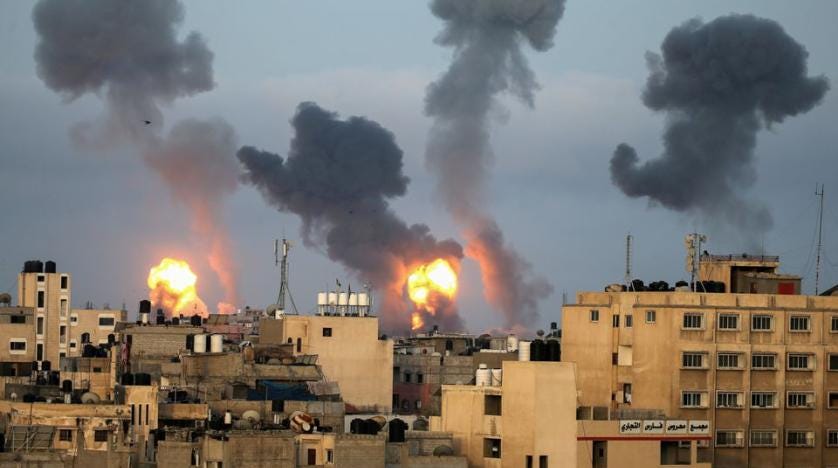
Islamic State Wants the War Against Israel to Be Religious, Not Nationalist

By Kyle Orton (@KyleWOrton) on 3 April 2022

Al-Naba 332, page three

Continue reading

Hysteria and the Iranian Revolution

By Kyle Orton (@KyleWOrton) on 12 October 2021

Iranian protesters burn an effigy of the Shah outside the American Embassy, 1979 [source]

There were immense political forces at work in the Iranian Revolution of 1978-79, and they have been covered in some depth on this blog before. In this brief piece, I want to look at the social aspect, specifically the social contagion aspect. People who were in Iran during the Islamic Revolution or who have studied it deeply in retrospect describe the country going “temporarily insane”,[1] and tend to use terms like “febrile” and “hysterical” when describing the atmosphere, especially by the summer of 1978, since, as everyone seems to acknowledge, the revolutionary fervour fed on itself the longer it was allowed to continue. Continue reading

When Did the “Roman” Empire Become the “Byzantine” Empire?

By Kyle Orton (@KyleWOrton) on 12 June 2021

A painting representing the Byzantines use of “Greek fire” to repel the Arab siege of Constantinople, 674-78

The use of the word “Byzantium” for the Eastern Roman Empire is inescapable, though it is best thought of as a term of convenience rather than definition. For one thing, the inhabitants never called themselves “Byzantines”: they always thought of themselves as “Romans”, though using the Greek work “Romaioi”. The easiest way to see the problem is to ask: When did the Byzantine Empire begin? Continue reading

The First Speech of Abu Hamza al-Muhajir as Al-Qaeda in Iraq Emir

By Kyle Orton (@KyleWOrton) on 5 April 2021

Ahmad al-Khalayleh (Abu Musab al-Zarqawi), the infamous founder of the Islamic State movement, known at the time as Al-Qaeda in Iraq (AQI) and formerly part of the Mujahideen Shura Council (MSC), was killed on 7 June 2006. Zarqawi’s successor was officially announced five days later, in a written statement released on 12 June, as Abu Hamza al-Muhajir, an Egyptian with a long history in and around Al-Qaeda. The next day, 13 June 2006, Abu Hamza gave his first speech as AQI emir, entitled, “The Gathering Will Be Defeated and They Will Turn Their Backs [in Retreat]”, drawn from an ayat of the Qur’an (54:45). The statement and the speech are translated below.

Continue reading

The Impact of Plague: From Antiquity to the Present

By Kyle Orton (@KyleWOrton) on 21 March 2021

Almost exactly a year ago, the British government announced the first lockdown to counter the effects of the coronavirus pandemic, and around the same time such measures were adopted in almost every other country. With Britain having now vaccinated nearly half the country, including all of the most vulnerable, and Prime Minister Boris Johnson having set out a timetable for the lifting of restrictions, it is possible to think of the post-COVID 19 situation and to wonder about how or if it will be different to what came before. Continue reading