By Kyle Orton (@KyleWOrton) on 9 February 2026
By Kyle Orton (@KyleWOrton) on 16 November 2020
This article was originally published at European Eye on Radicalization

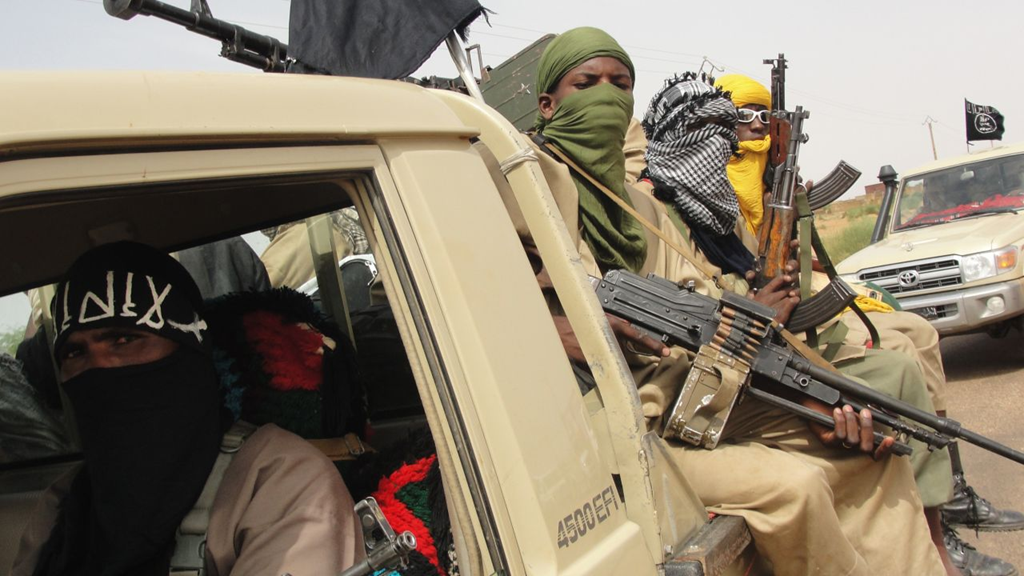
Credible reports over the last few days indicate that Al-Qaeda’s leader Ayman al-Zawahiri is dead, and there are even clearer reports that two of his most senior deputies have been killed. The terrorist network itself, however, will survive. Al-Qaeda has, in the last ten years, survived the killing of its charismatic founder Usama bin Laden, the upheaval of the “Arab spring”, and the rise of the Islamic State (IS)—all of them greater challenges than whatever short-term turbulence might attend the succession process.
Continue readingBy Kyle Orton (@KyleWOrton) on October 4, 2020
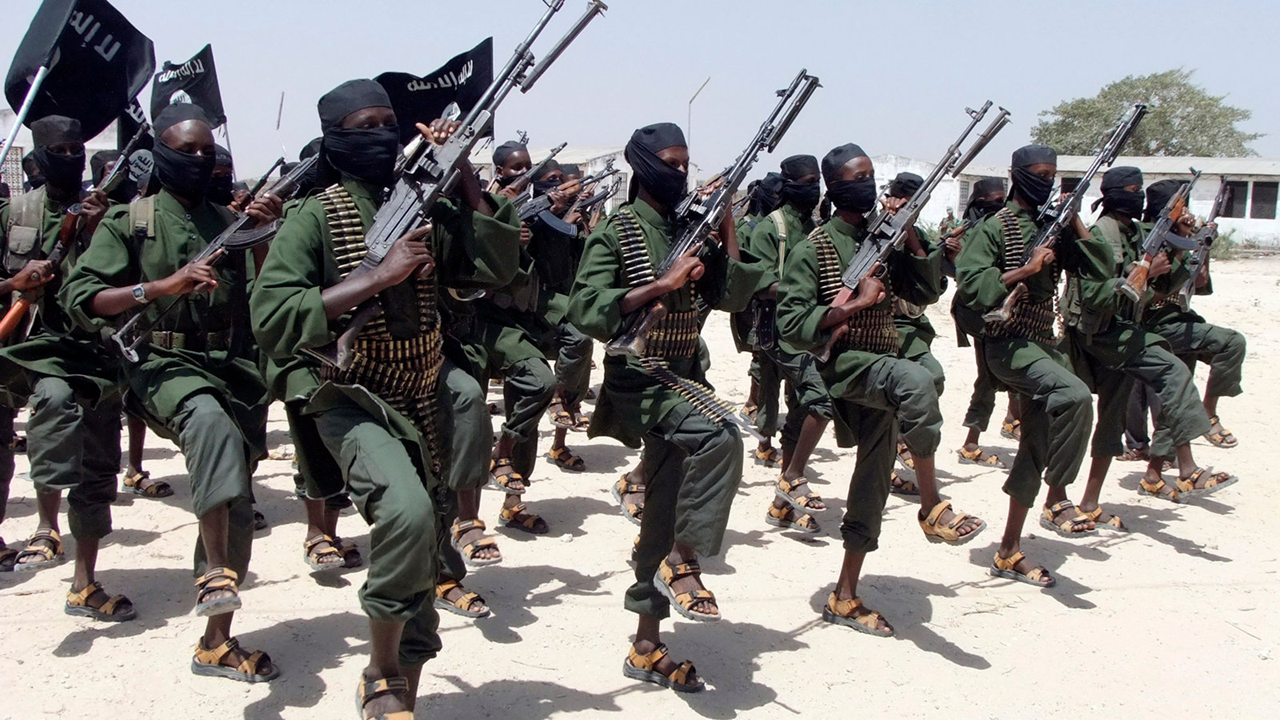
A chapter about Al-Qaeda I wrote for the American Foreign Policy Council’s (AFPC) ‘World Almanac of Islamism’ was published today. Do check it out, and the broader site, which is a great, accessible resource. The format of the website necessitated that the chapter as I submitted it was edited, condensed, and split up to fill out the various categories. In case it is of any interest, the original version of the chapter is reproduced below.
By Kyle Orton (@KyleWOrton) on 28 December 2019

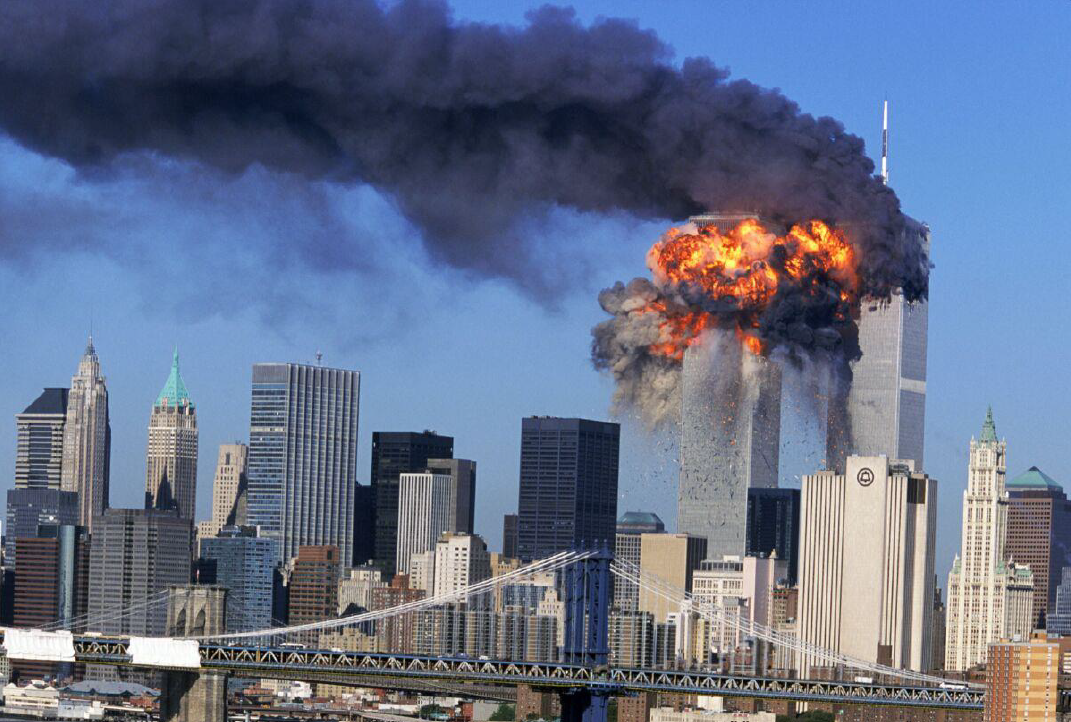
In a long article last week, I looked at why the U.S. ran a formal occupation of Iraq for fourteen months after the fall of Saddam Husayn in April 2003, given that there had been an explicit pre-invasion decision not to have an occupation government. The short answer is that the occupation was installed through deception by the State Department, supported by the Central Intelligence Agency (CIA). State and CIA had argued for a protracted occupation in the Situation Room debates in 2002, but President George W. Bush had sided with the Pentagon, which advocated a rapid transfer of power to Iraqis. Having lost in the formal inter-agency process, the State Department succeeded by subversion in getting its way on the ground in Iraq. The disaster this caused in the mismanagement of post-Saddam Iraq was, as the article explained in detail, only the most serious impact of the toxic schism between State/CIA and the Pentagon, a factor whose import is difficult to overstate when examining how the Bush administration functioned. (This feud also at times drew in the Vice President’s Office, which tended to support the Pentagon.)
 Kyle Orton's Blog