By Kyle Orton (@KyleWOrton) on 25 January 2022
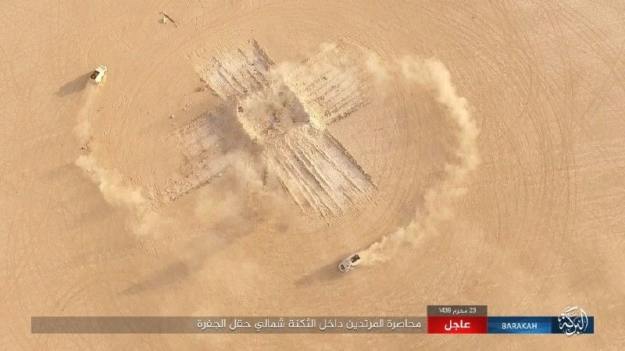
Islamic State in its desert sanctuaries in eastern Syria, 2017
By Kyle Orton (@KyleWOrton) on 25 January 2022
Islamic State in its desert sanctuaries in eastern Syria, 2017
By Kyle Orton (@KyleWOrton) on 24 January 2021

Sakib Mahmuljin [image source]
By Kyle Orton (@KyleWOrton) on October 23, 2020
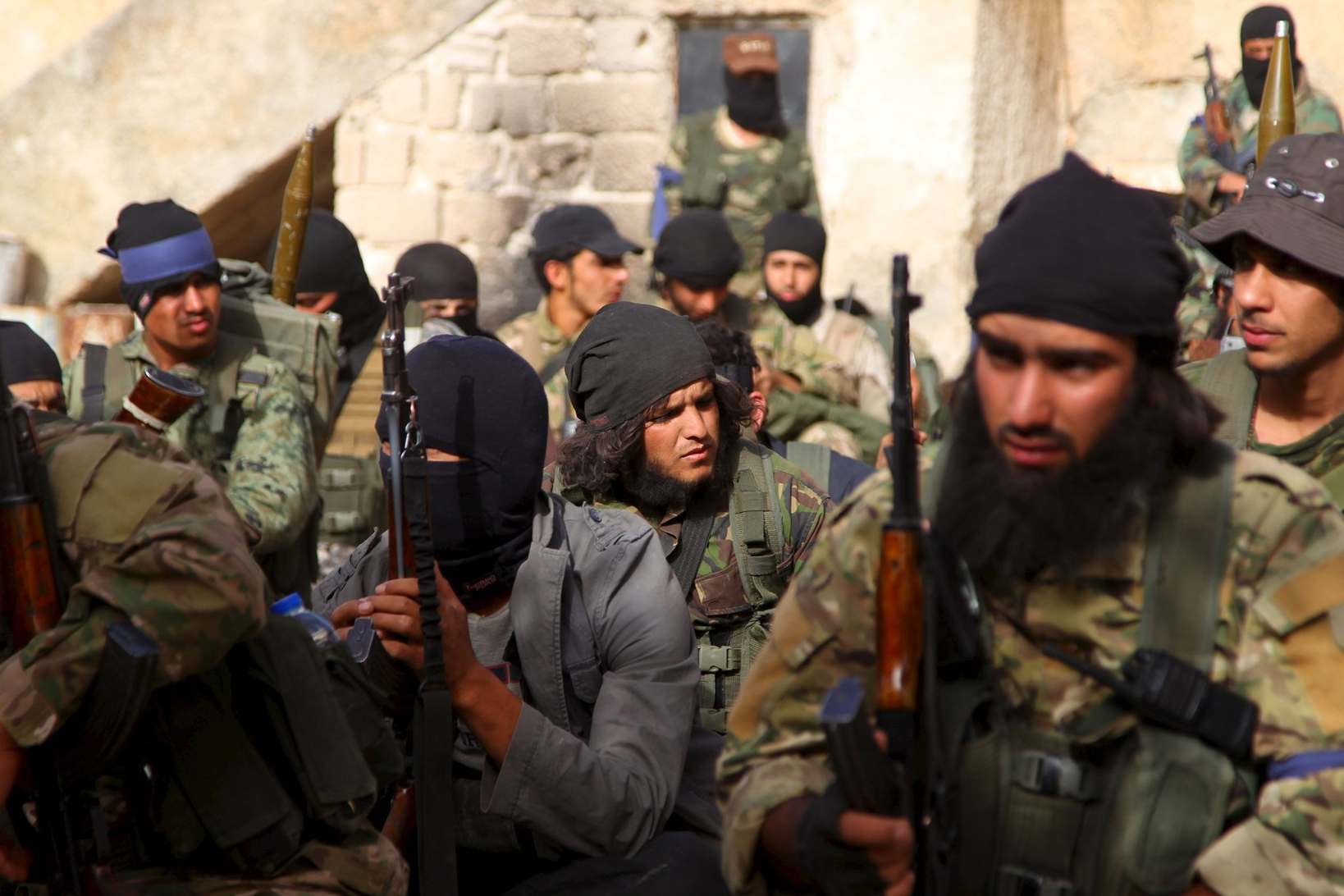
A chapter about Islamism in Syria I wrote for the American Foreign Policy Council’s (AFPC) ‘World Almanac of Islamism’ was published today. Do check it out, and the broader site, which is a great, accessible resource. The format of the website necessitated that the chapter as I submitted it was edited, condensed, and split up to fill out the various categories. In case it is of any interest, the original version of the chapter is reproduced below.
By Kyle Orton (@KyleWOrton) on October 4, 2020
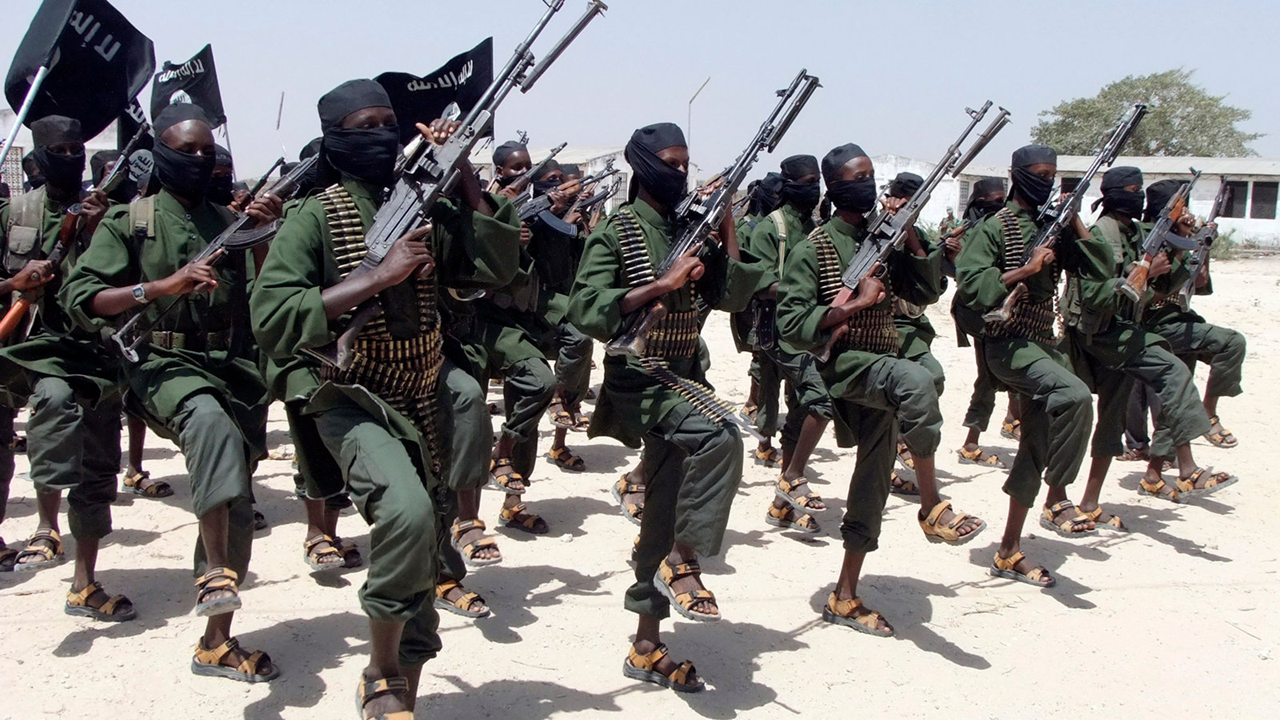
A chapter about Al-Qaeda I wrote for the American Foreign Policy Council’s (AFPC) ‘World Almanac of Islamism’ was published today. Do check it out, and the broader site, which is a great, accessible resource. The format of the website necessitated that the chapter as I submitted it was edited, condensed, and split up to fill out the various categories. In case it is of any interest, the original version of the chapter is reproduced below.
By Kyle Orton (@KyleWOrton) on September 11, 2020
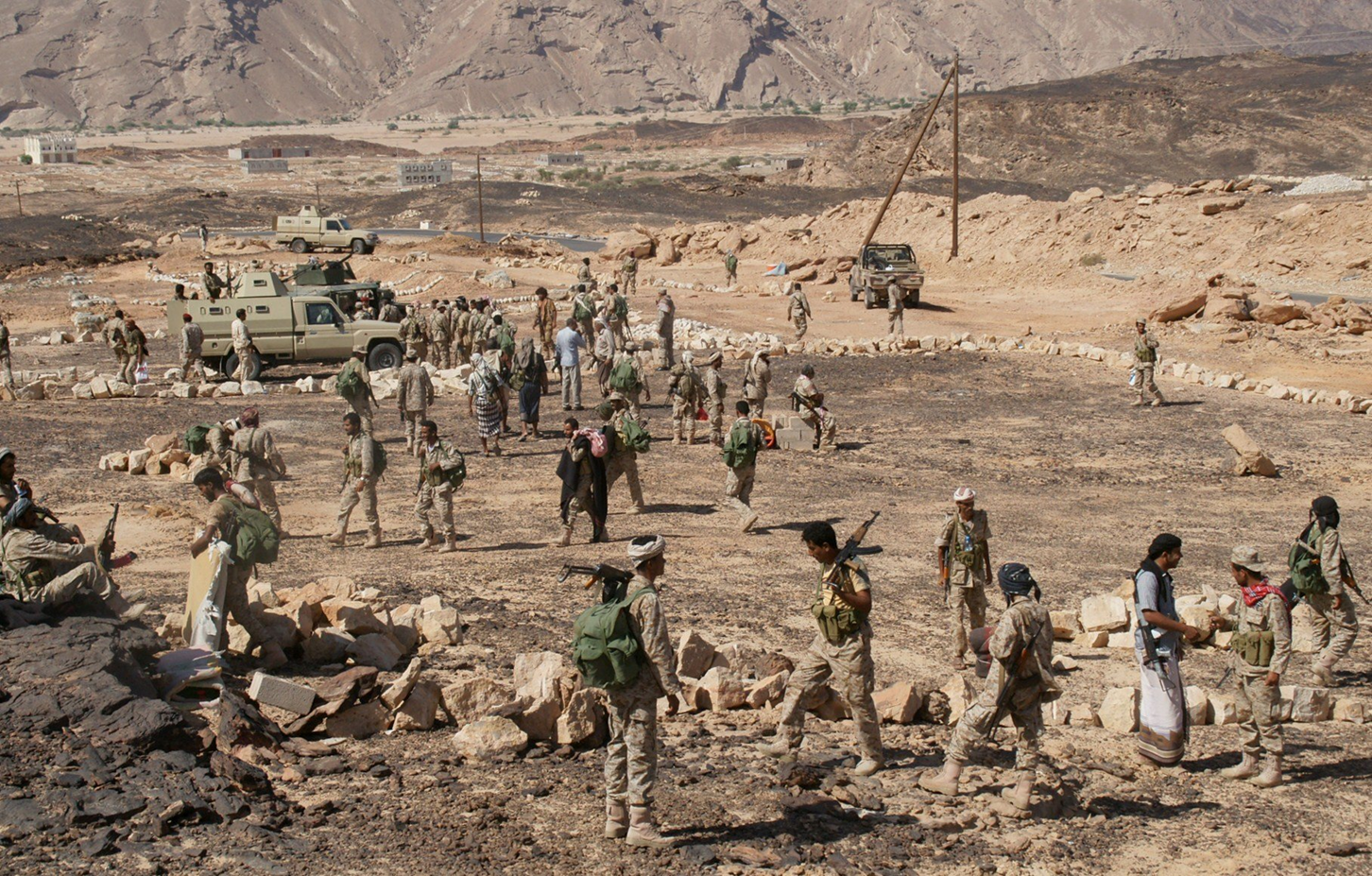
In writing a chapter earlier this year about the current status of Al-Qaeda, part of the process was reviewing the organisation’s history since its formation in the late 1980s. What really struck me was how extensively Al-Qaeda is now manipulated, under the influence of, and in places even controlled by state powers. To mark the nineteenth anniversary of 9/11, I thought I could give a brief sketch of this development.
By Kyle Orton (@KyleWOrton) on 8 July 2019
This article was originally published at the European Eye on Radicalization
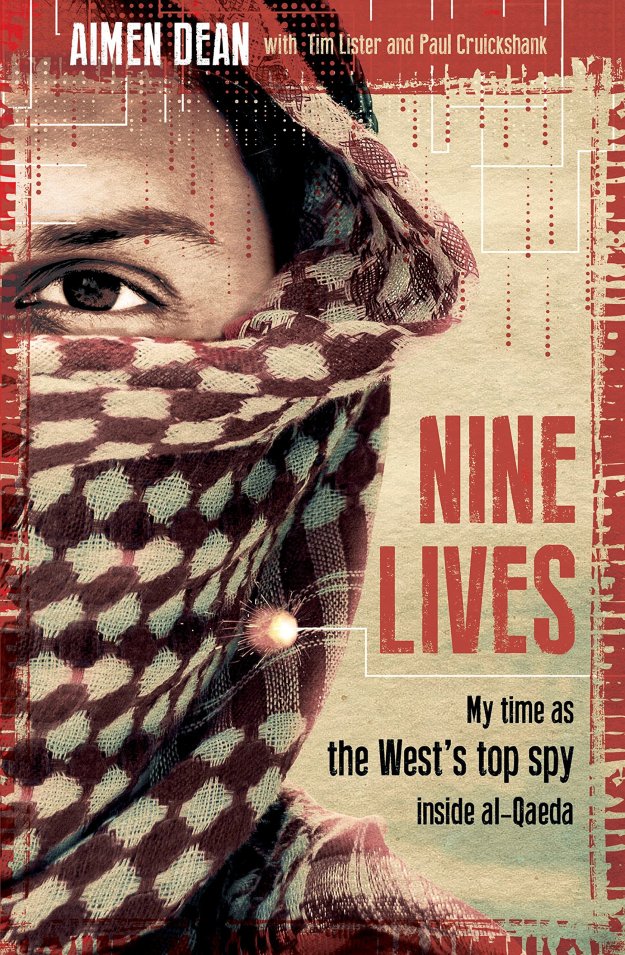
The main issue that Nine Lives has to overcome is the one that has attended Aimen Dean (a pseudonym) since he went public in March 2015 with an interview he gave to the BBC, claiming he had been a British spy within Al-Qaeda between 1998 and 2006. That issue is overcoming the doubts about his story. Nine Lives goes a long way to solving this by bringing in Paul Cruickshank, the editor-in-chief of CTC Sentinel, one of the premier academic resources in the terrorism field, and Tim Lister, a terrorism-focused journalist with CNN, as co-authors. As well as helping structure the book from Dean’s memories, the two co-authors note they had been able to “corroborate key details” that convinced them: “In the years immediately leading up to and following 9/11, Aimen Dean was by far the most important spy the West had inside al-Qaeda”.
Continue readingPublished at The Arab Weekly
By Kyle Orton (@KyleWOrton) on 9 June 2019
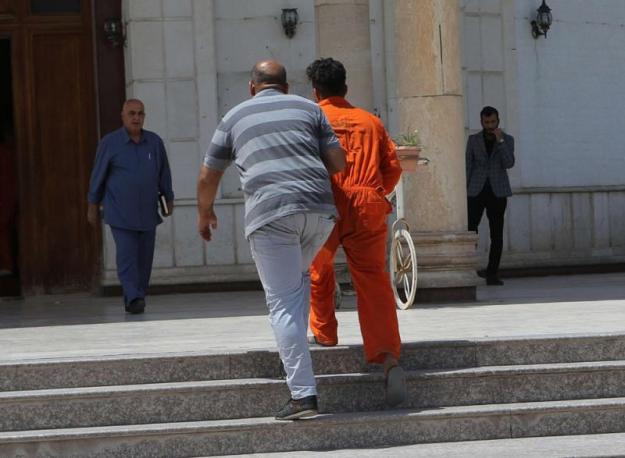
An Islamic State being led into the Iraqi Criminal Court in Baghdad, 5 May 2019 (AP)
From May 26 to June 3, Iraq’s government sentenced to death 11 Islamic State operatives who had been captured in Syria. The novelty in the cases was that the Iraqis said the militants were French and ten of them were. The other was Tunisian.
The French government has made a pro forma protest against the death sentences but did nothing to impede the process. This is of a piece with the general approach European countries, including Britain, have taken to their citizens who joined jihadi groups in the Levant. Continue reading
By Kyle Orton (@KyleWOrton) on 29 April 2019
This article was originally published at European Eye on Radicalization
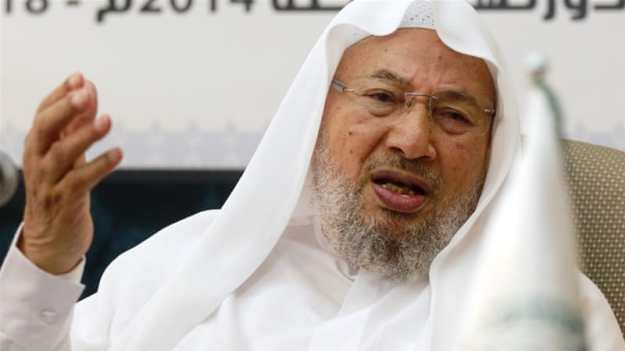
In the wake of the horrific bombings by the Islamic State (ISIS) in Sri Lanka on Eastern Sunday, which killed 250 people, an image has circulated purporting to show a terrorist connected to the attack in the company of the Qatar-based cleric of the Muslim Brotherhood, Yusuf al-Qaradawi. In fact, the image shows no such thing. But Al-Qaradawi’s influence in creating the ideology that motivates Islamist terrorists cannot be doubted. Continue reading
By Kyle Orton (@KyleWOrton) on 9 September 2018
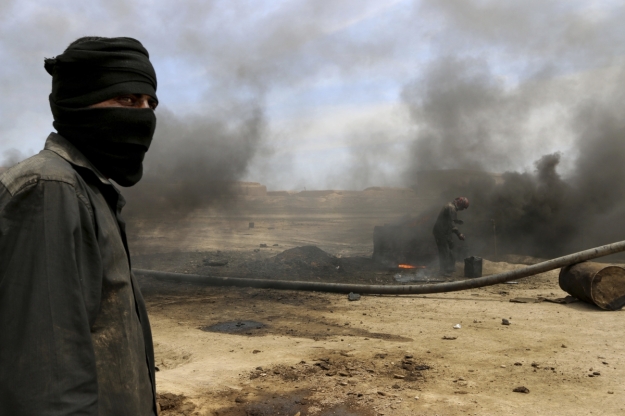
The United States has launched at least five raids into Syria to date, all of them against the Islamic State (IS).[1] The second such raid, on 15 May 2015, killed Fathi al-Tunisi (Abu Sayyaf al-Iraqi, Abu Muhammad al-Iraqi, or Abd al-Ghani), who oversaw critical revenue-generating criminal schemes for the group. Al-Tunisi was primarily responsible for the oil industry in eastern Syria, in which capacity he collaborated with Bashar al-Asad’s regime, and he worked as head of the Antiquities Division of IS Diwan al-Rikaz, which translates literally as the “Department of Precious Things That Come Out of the Ground”, usually given as the “Department of Natural Resources”. Al-Tunisi was what is sometimes termed a “middle manager”: the connective tissue between the most senior levels of the leadership and local administrators, ensuring smooth coordination between the two by inter alia keeping the books. In short, the kind of terrorist operative that keeps an organisation going. Continue reading
By Kyle Orton (@KyleWOrton) on 5 September 2018

In less than a week, it will be the seventeenth anniversary of al-Qaeda’s “Plane’s Operation”, the assault on the United States. It is a vertiginous enough reflection that many of us have been alive more years since 11 September 2001 than before it, and positively alarming that many of those who will soon move into the government, media, and other leading societal institutions will have been born after an event that still shapes so much of the international scene. As Anthony Summers and Robbyn Swan put it in The Eleventh Day: The Ultimate Account of 9/11 (2011), we are left with “the brief name ‘9/11’,” the context and meaning stripped away all this time later. The book is a useful overview of an event that should always be to some degree fresh in mind, though it is not without its problems in its analytical sections. Continue reading