By Kyle Orton (@KyleWOrton) on 7 February 2025
By Kyle Orton (@KyleWOrton) on 7 February 2025
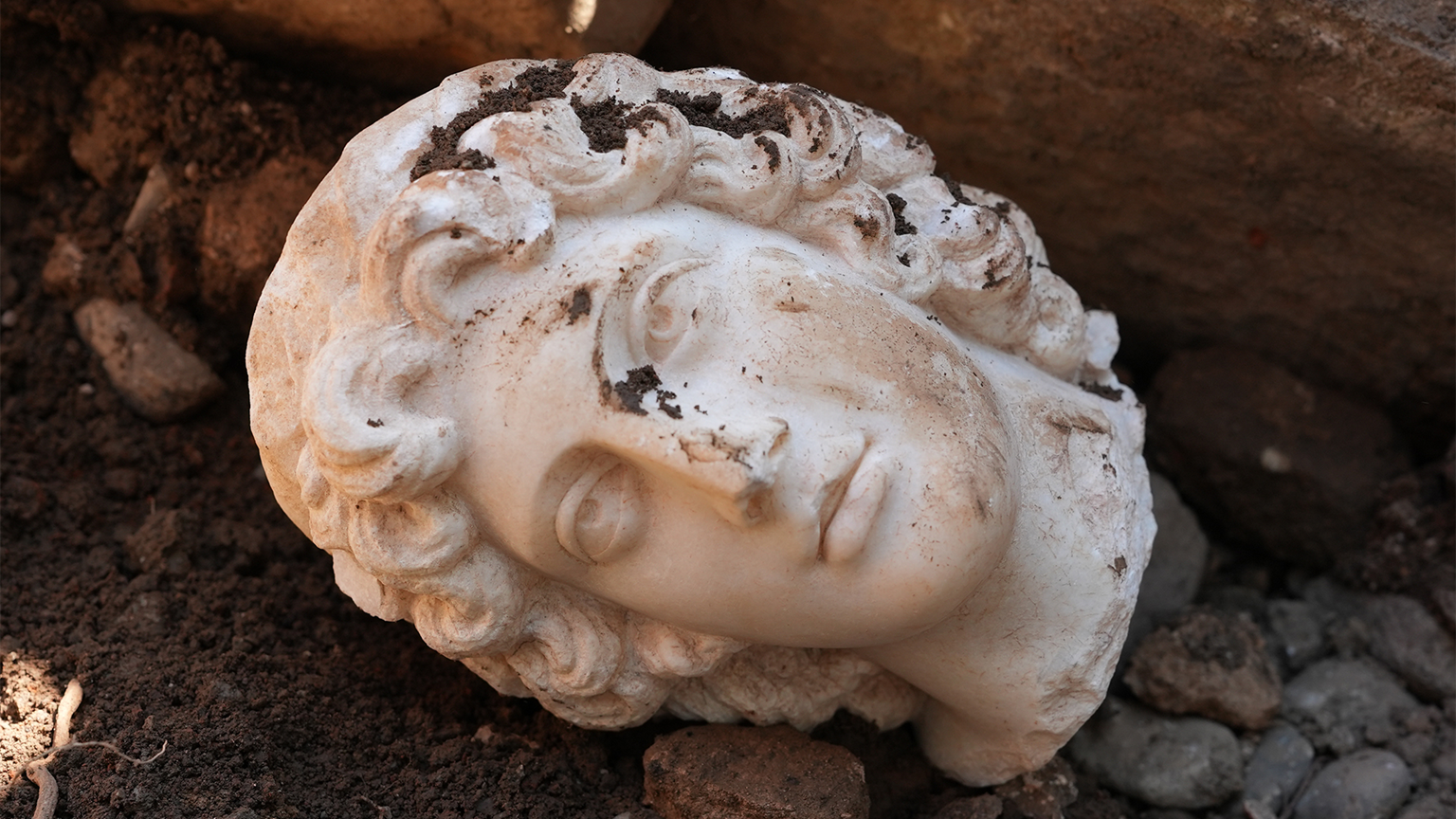
Alexander of Macedon being a model for Roman statesman went back to the era of the Republic, and this imitatio Alexandri was often expressed by trying to repeat his feat of conquering Persia.
By Kyle Orton (@KyleWOrton) on 7 February 2025
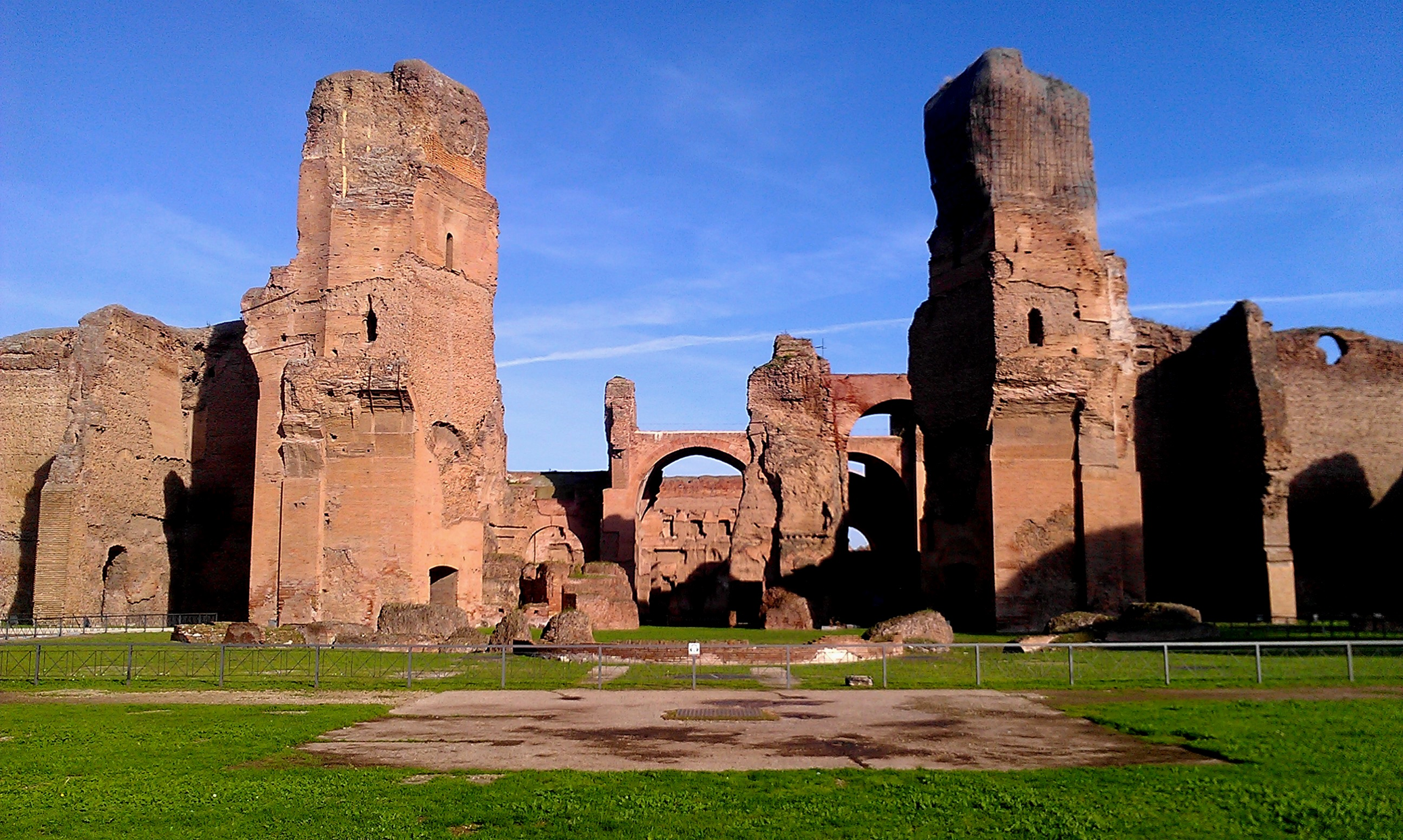
The first great public warm baths or thermae in Rome were completed in 25 BC, two years after the first Emperor, Octavian, officially became Augustus. For nearly forty years, payment was necessary to access these baths.
By Kyle Orton (@KyleWOrton) on 7 February 2025
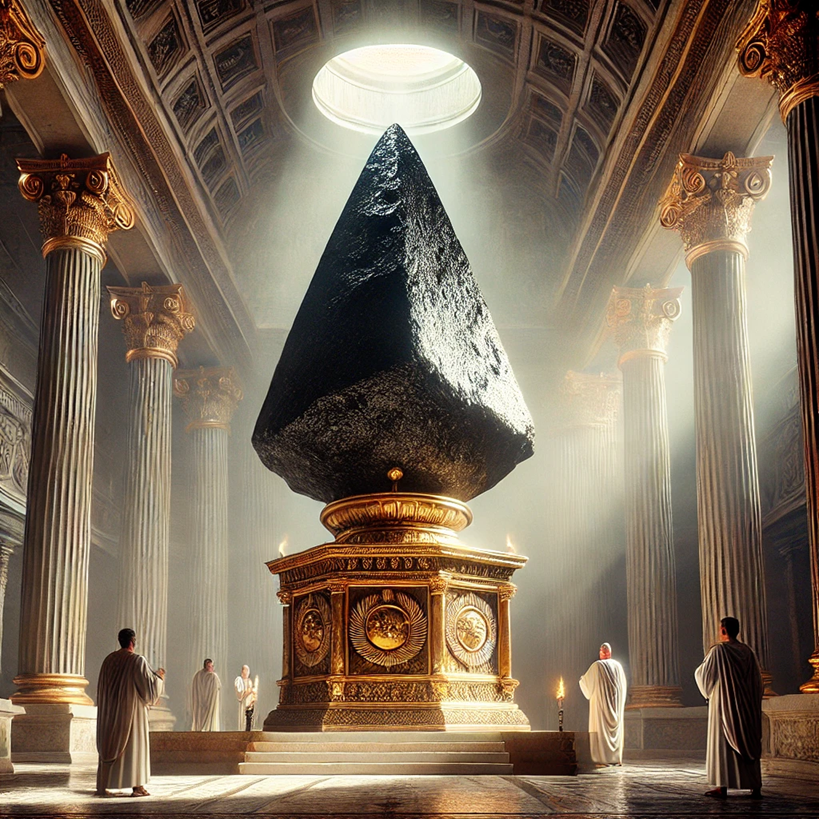
When Septimius Severus became Roman Emperor in 193 AD, his wife, whom he had married in 187, was Julia Domna, a native of Emesa (now Homs), meaning Rome had its first Syrian Empress.
By Kyle Orton (@KyleWOrton) on 7 February 2025
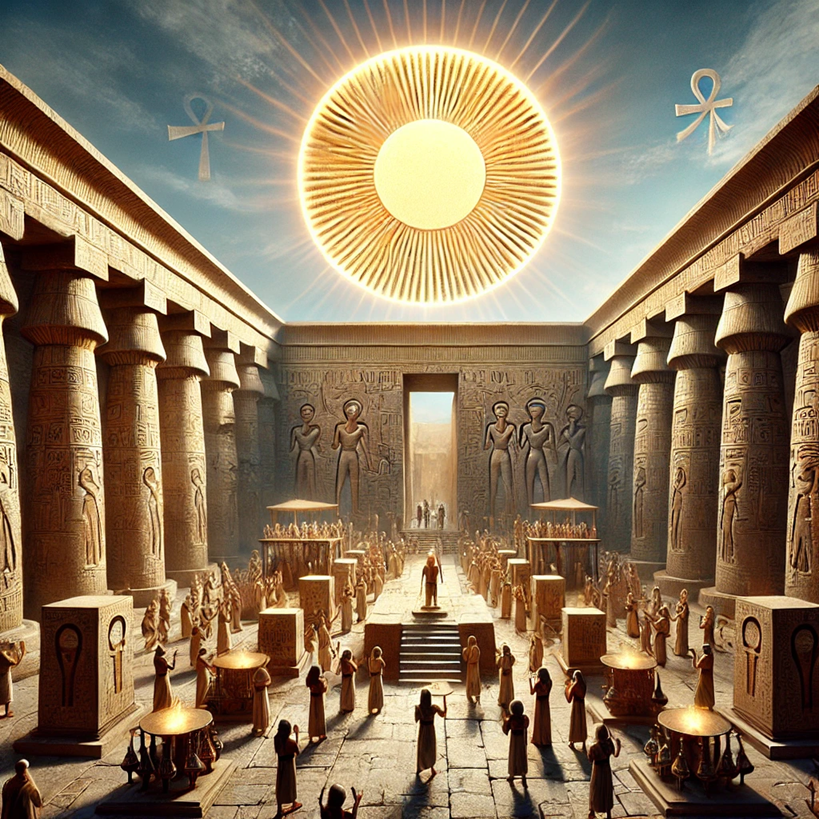
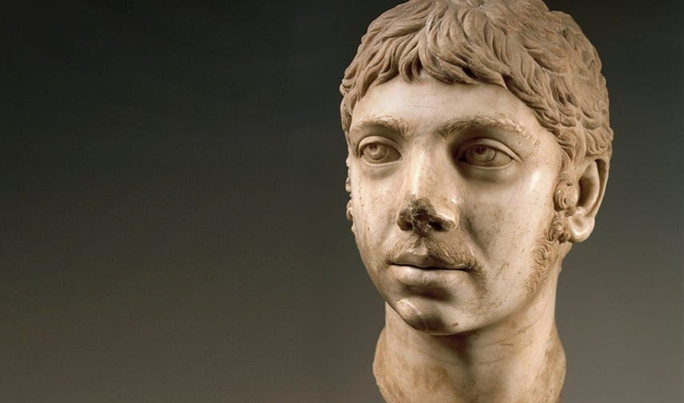
The written biographies of the Roman Emperor Elagabalus (r. 218-22 AD) claim that he oversaw an effort to replace the traditional gods with the Syrian sun god of which he was the high priest, and that this was part of the reason he was overthrown. There is, however, no physical evidence for an Elagabalan religious revolution, and we have an idea of the kinds of evidence that should show up where a ruler has tried to impose a new religious dispensation and it has been rejected by his successors because we have counter-examples.
By Kyle Orton (@KyleWOrton) on 4 April 2023
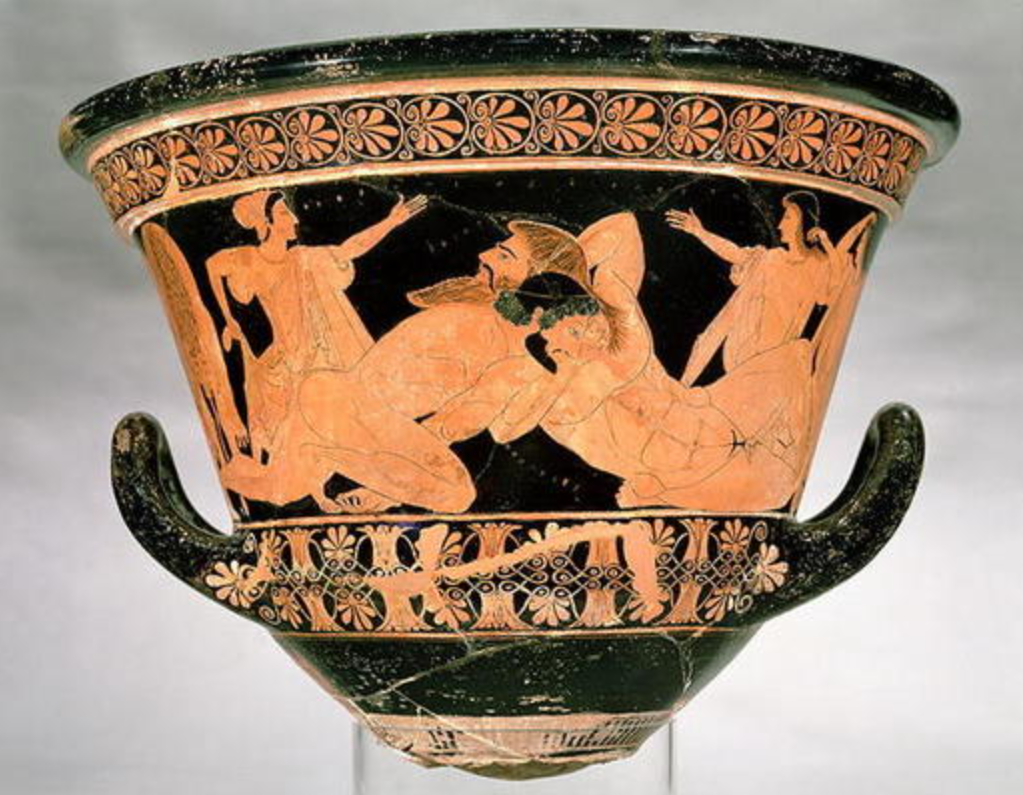
The ancient Greek assumption that physical and moral worth were inherently connected can be seen in the term “kalos”. The word is often translated into English as “beautiful”, which is literally correct but misleading in so far as it implies the word relates solely to visual aesthetics; such an understanding is too narrow and anachronistically imposes divisions between categories that the Greeks did not regard as separate. “Kalos” is better translated as “handsome” and “noble”: it was a term for things “socially sanctioned as excellent”, and axiomatically encompassed a judgment on form and spirit.