By Kyle Orton (@KyleWOrton) on 1 July 2025
By Kyle Orton (@KyleWOrton) on 4 June 2025
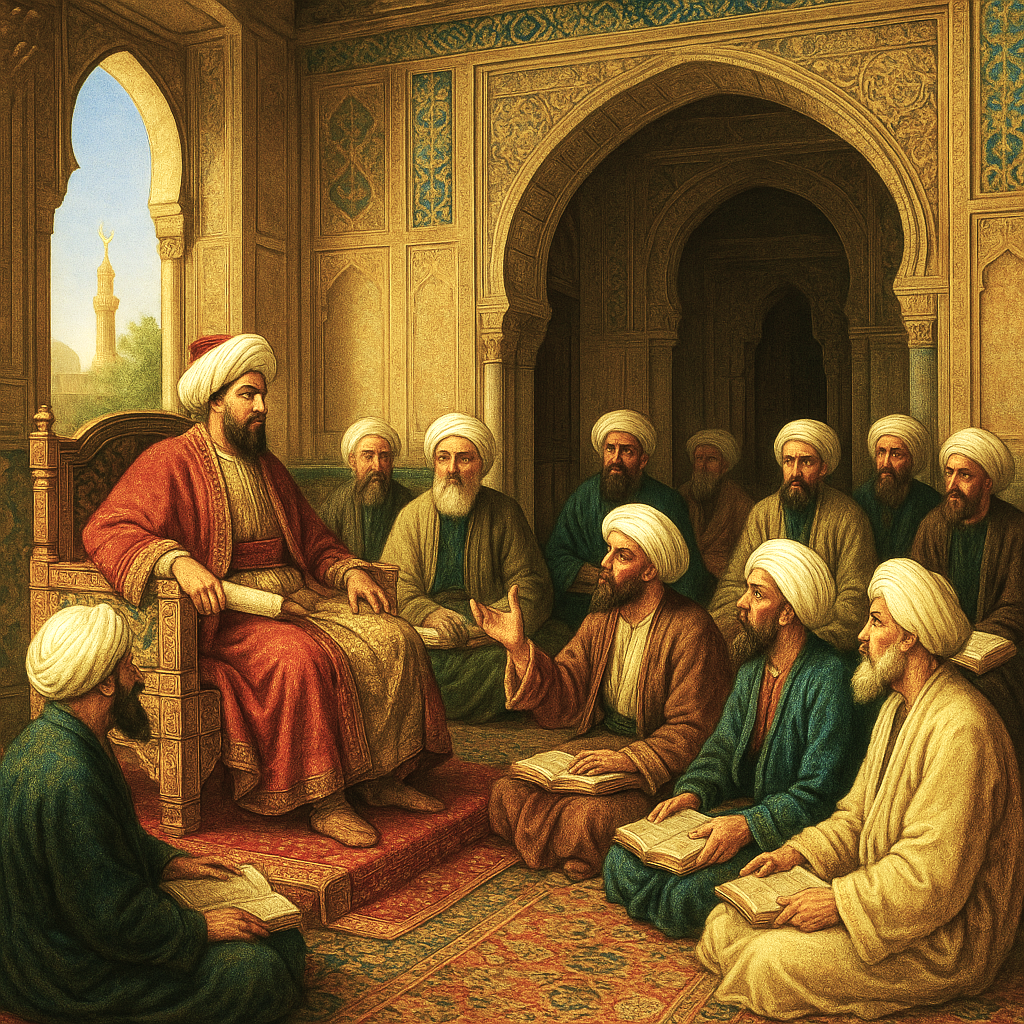
Muslim belief is that the Qur’an is “uncreated” (ghayr makhluq). While the Qur’an was revealed to Muhammad over twenty-three years (610-32 AD), the “speech of God” (kalam Allah) in these revelations had existed co-eternally with God. This was once a point of serious dispute in Islamic theology, and the outcome of that debate was an important waymarker in the development of Islam.
By Kyle Orton (@KyleWOrton) on 14 March 2021
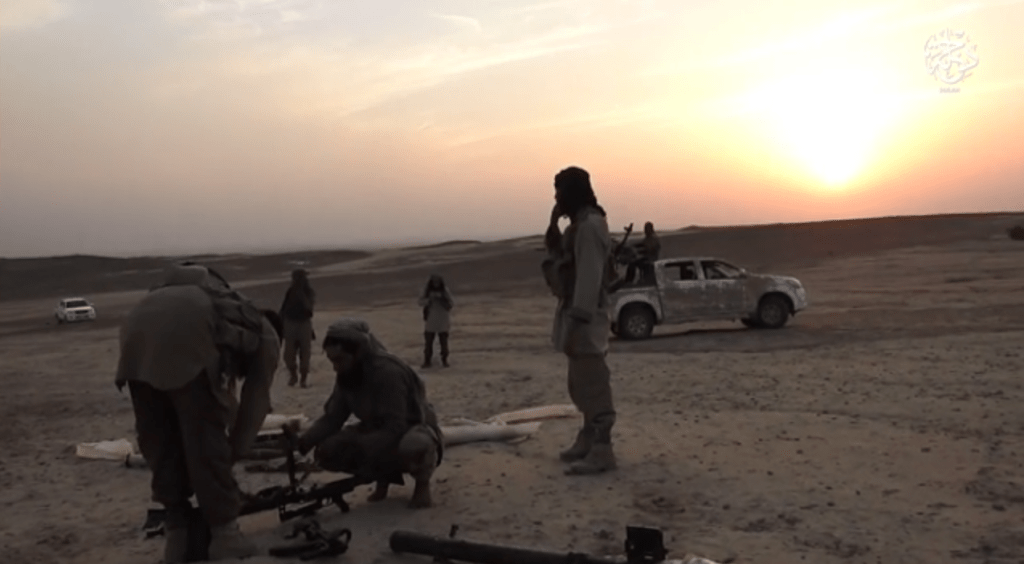
Abdul Munim al-Badawi (Abu Hamza al-Muhajir), the then-leader of Al-Qaeda in Mesopotamia (AQM), released his fourth audio statement on 28 September 2006. The speech was entitled, “Ta’alaw ila Kalimatin Sawa” (تعالوا إلى كلمة سواء): “Come to a Just Word”.[1] An English transcript was released by the jihadists and is reproduced below. Continue reading
By Kyle Orton (@KyleWOrton) on June 9, 2015
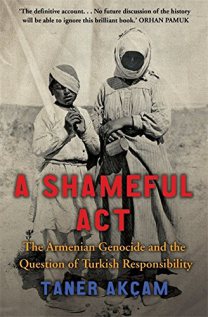
This is the complete review. It has previously been posted in three parts: Part 1 on the question of whether the 1915-16 Armenian massacres constitute genocide; Part 2 on the post-war trials and the Nationalist Movement; and Part 3 gives some conclusions on what went wrong in the Allied efforts to prosecute the war criminals and the implications for the present time, with Turkey’s ongoing denial that genocide took place and the exodus of Christians from the Middle East.
A Question of Genocide
The controversy over the 1915-16 massacres of Armenian Christians in the Ottoman Empire is whether those acts constitute genocide. Those who say they don’t are not the equivalent of Holocaust-deniers in that they do not deny that the massacres happened; what they deny is that the massacres reach the legal definition of genocide. Their case is based on three interlinked arguments:
Taner Akcam’s A Shameful Act: The Armenian Genocide and the Question of Turkish Responsibility presents evidence to undermine every one of these arguments. Continue reading
By Kyle Orton (@KyleWOrton) on June 7, 2015
Part 1 of this review dealt with the question of whether the 1915-16 Armenian massacres constitute genocide. Part 2 was about the post-war trials and the Nationalist Movement. This part gives some conclusions on what went wrong in the Allied efforts to prosecute the war criminals and the implications for the present time. Alternatively, the complete review is available here.
 Kyle Orton's Blog