By Kyle Orton (@KyleWOrton) on 5 July 2025
By Kyle Orton (@KyleWOrton) on 7 February 2025
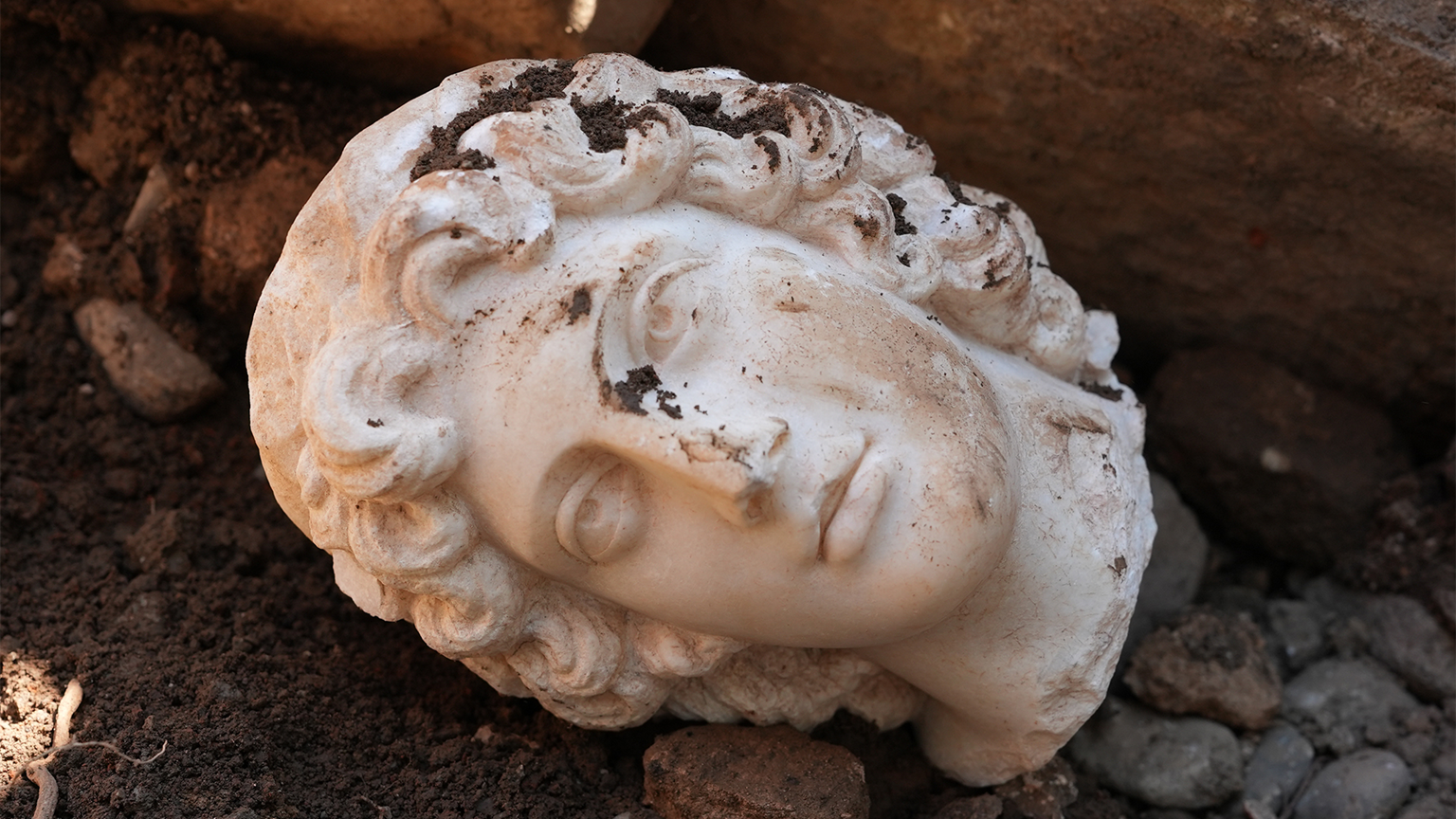
Alexander of Macedon being a model for Roman statesman went back to the era of the Republic, and this imitatio Alexandri was often expressed by trying to repeat his feat of conquering Persia.
By Kyle Orton (@KyleWOrton) on 12 June 2021
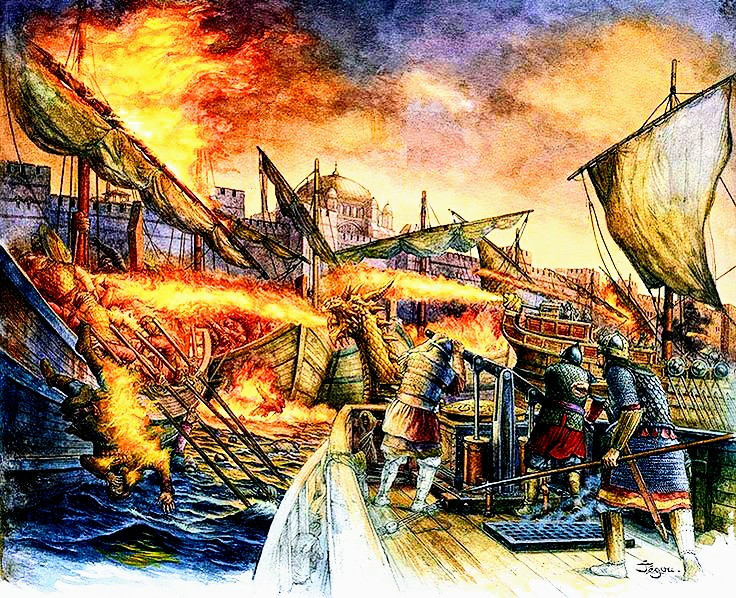
A painting representing the Byzantines use of “Greek fire” to repel the Arab siege of Constantinople, 674-78
The use of the word “Byzantium” for the Eastern Roman Empire is inescapable, though it is best thought of as a term of convenience rather than definition. For one thing, the inhabitants never called themselves “Byzantines”: they always thought of themselves as “Romans”, though using the Greek work “Romaioi”. The easiest way to see the problem is to ask: When did the Byzantine Empire begin? Continue reading
By Kyle Orton (@KyleWOrton) on January 27, 2017

The Islamic State’s June 2014 declaration that the areas it controlled were the restored “Caliphate” was seen by many as a novel development. In fact, “the State” was declared in October 2006. The next month, the predecessor of the Islamic State (IS), Al-Qaeda in Mesopotamia (AQM), dissolved itself, and a month after that the claim to statehood was expanded upon—while being wilfully ambiguous about the caliphal pretensions—in the first speech by the then-emir, Hamid al-Zawi (Abu Umar al-Baghdadi). Similarly, though confusion remains on the point, it was in this same period that the symbol of the Islamic State, its black flag, was established.


 Kyle Orton's Blog